 1 citations
,
February 2020 in “International Journal of Research in Dermatology”
1 citations
,
February 2020 in “International Journal of Research in Dermatology” Scalp alopecia areata mostly affects young adult males, often starts suddenly, and usually presents as single, patchy lesions.

Androgenetic alopecia (AGA) is a common, hereditary hair loss condition that can be slowed but not permanently reversed with available therapies.
 July 2024 in “Iranian journal of pathology”
 Frontal fibrosing alopecia mainly affects women over 50, causing hair loss and specific skin changes.
2 citations
,
February 1945 in “Archives of Dermatology and Syphilology” Alopecia in the woman was likely caused by vitamin A deficiency, not a fungal infection.
 63 citations
,
October 2011 in “Archives of Dermatology”
63 citations
,
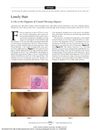
October 2011 in “Archives of Dermatology” Isolated long hairs at the original hairline can help diagnose Frontal Fibrosing Alopecia.
4 citations
,
November 2025 in “Nature Reviews Disease Primers” 1 citations
,
January 2012 in “Human health handbooks” Male pattern baldness is mainly caused by genetics and hormones, treatable with minoxidil and finasteride.
 October 2024 in “Benha Journal of Applied Sciences”
 Androgenetic alopecia is linked to aging due to inflammation, oxidative stress, and hormonal changes.
 January 2023 in “Vìsnik problem bìologìï ì medicini”
 Androgenic alopecia causes hair follicle degradation and skin restructuring, but some hair elements remain.
2 citations
,
August 2025 in “JAAD reviews.” Frontal fibrosing alopecia significantly affects men, often causing hair loss in eyebrows, beard, and sideburns.
Cicatricial alopecia can progress to complete hair loss, making diagnosis and management difficult.
 January 2007 in “Revista del Centro Dermatológico Pascua”
 Hair loss in women, often not related to male hormones, increases with age and can cause significant emotional distress.
January 2022 in “Clinical Cases in Dermatology” A 47-year-old man was diagnosed with a specific type of hair loss and advised to use certain medications and avoid hair transplants.

Balding in men worsens with age.
 179 citations
,
September 1998 in “BMJ”
179 citations
,
September 1998 in “BMJ” Hair loss in men is common, treatable, but not curable.
 42 citations
,
June 2009 in “Journal of Cosmetic Dermatology”
42 citations
,
June 2009 in “Journal of Cosmetic Dermatology” Hair loss in males involves inflammation, collagen buildup, and follicle damage, with severity increasing with age and baldness duration.
 18 citations
,
February 2014 in “PubMed”
18 citations
,
February 2014 in “PubMed” Androgenetic alopecia is a common hair loss condition caused by testosterone effects on hair follicles, leading to thinner, shorter, and less pigmented hair, diagnosed using scalp dermoscopy and treated with topical minoxidil, antiandrogen agents, and 5-alpha reductase inhibitors.
AGA is caused by genetics and androgens, treatable with finasteride and minoxidil.
April 2022 in “Journal of Investigative Dermatology” Androgenetic alopecia causes hair thinning due to increased androgen activity, treatable with minoxidil and finasteride.
325 citations
,
June 1994 in “Archives of Dermatology” Postmenopausal frontal fibrosing alopecia may be a unique condition linked to postmenopausal changes.
 May 2023 in “International Journal of Medical Arts (Print)”
 Retrograde Alopecia is fairly common in men with severe hair loss and needs careful examination for treatment and safe hair transplantation.
 May 2023 in “Vestnik dermatologii i venerologii”
 Early-stage male pattern baldness shows two types of hair loss: one on the top of the head linked to hormonal changes, and another at the back of the head. The top hair loss responds well to specific treatment, while the back hair loss does not.
1 citations
,
April 1990 in “PubMed” Alopecia areata causes unpredictable hair loss and is hard to treat.
Hair ages by graying and thinning, treatable with medications, transplants, or hair dye.
 July 2023 in “Deleted Journal”
 Alopecia areata is the most common type of baldness treated with corticosteroids and minoxidil.
13 citations
,
June 2008 in “Springer eBooks” 2 citations
,
June 2013 in “Clinical and Experimental Dermatology” Thorough evaluation is crucial for understanding diffuse scalp hair loss.
September 2021 in “Dermatologic Surgery”  1 citations
,
January 1997 in “Archives of Dermatology”
1 citations
,
January 1997 in “Archives of Dermatology” Hair loss from alopecia areata can sometimes regrow in a pattern similar to androgenetic alopecia.