 September 2025 in “Zenodo (CERN European Organization for Nuclear Research)”
 Topical minoxidil and oral finasteride are effective treatments for hair loss in young men.
 February 2024 in “International Journal of Molecular Sciences”
 Hair loss in Androgenetic Alopecia is caused by genetics, aging, and lifestyle, leading to hair follicle shrinkage and related health risks.
January 2015 in “프로그램북(구 초록집)” Trichoscopy effectively diagnoses and assesses hair loss severity in androgenetic alopecia and alopecia areata.
19 citations
,
January 1990 in “Springer eBooks”  8 citations
,
September 2010 in “Journal of Men's Health”
8 citations
,
September 2010 in “Journal of Men's Health” Androgenic Alopecia, a common hair loss condition, can be effectively treated with finasteride and other treatments.
4 citations
,
June 2017 in “Annales de dermatologie et de vénéréologie” The study found that a specific type of hair loss is increasingly common in premenopausal women and can be effectively diagnosed and treated with various medications.
2 citations
,
November 1987 in “PubMed” Male pattern baldness can be managed with treatments like minoxidil and hair surgery.
 64 citations
,
January 2005 in “International Journal of Dermatology”
64 citations
,
January 2005 in “International Journal of Dermatology” Hair transplant destroyed by lichen planopilaris.
Hair transplantation is a good option for improving appearance in hair loss.
 January 2017 in “Springer eBooks”
 Over 40% of postmenopausal women experience hair loss, with treatments aiming to stop further loss and possibly thicken hair.
 1 citations
,
March 2020 in “Australasian Journal of Dermatology”
1 citations
,
March 2020 in “Australasian Journal of Dermatology” The paper concludes that recognizing bitemporal alopecia areata is important for early treatment and preventing its progression.
1 citations
,
February 2008 in “Informa Healthcare eBooks” Androgenetic alopecia is a common form of hair loss in both men and women.
 3 citations
,
April 2016 in “International Journal of Dermatology”
3 citations
,
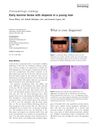
April 2016 in “International Journal of Dermatology” A young man was diagnosed with trichoepitheliomas, causing thick skin and hair loss.
June 2025 in “Acta Dermato Venereologica” Male pattern baldness doesn't significantly affect mental health or sexual well-being.
 January 2022 in “Clinical dermatology open access journal”
 Early-stage Alopecia Areata was effectively treated in less than six months.
 September 1997 in “Journal of The European Academy of Dermatology and Venereology”
 Alopecia linked to higher anxiety and personality disorders.
21 citations
,
March 2005 in “PubMed” Topical minoxidil and finasteride help treat male baldness, while women benefit from antiandrogens and minoxidil.
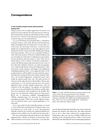
October 2015 in “CRC Press eBooks” Classifying alopecia helps diagnose and treat different types of hair loss accurately.
 11 citations
,
July 2008 in “International Journal of Dermatology”
11 citations
,
July 2008 in “International Journal of Dermatology” Greying hairs may be protected from alopecia areata.
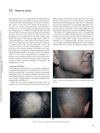 April 2012 in “Informa Healthcare eBooks”
 Alopecia areata is a common autoimmune condition causing varying hair loss, diagnosed by specific patterns of inflammation around hair follicles, with several treatment options available.
Iron supplements may reverse premature graying in iron-deficient individuals; ingrown nails are common in diabetics with certain risk factors; topical finasteride may reduce scalp DHT as effectively as oral finasteride; monilethrix treatment is challenging but some medications can help.

Androgenetic alopecia, or hair loss, is caused by a mix of genetics, hormones, and environment, where testosterone affects hair growth and causes hair to become smaller and grow for a shorter time.
Alopecia areata causes patchy hair loss but hair can regrow on its own.
 September 2004 in “PubMed”
 Androgenetic alopecia, or hair loss, is influenced by hormones and genetics, and can be treated with medications like minoxidil, finasteride, or hormone therapy, with effectiveness evaluated after 6 months.
 14 citations
,
July 1987 in “Dermatologic Clinics”
14 citations
,
July 1987 in “Dermatologic Clinics” The document concludes that treating female hair loss should target reducing excess androgen and blocking its effects on hair follicles, with the best treatments being hormonal therapy, adrenal suppression, and topical minoxidil.
As people age, certain enzymes in scalp glands decrease, affecting hair health.
 49 citations
,
January 2003 in “Clinical and Experimental Dermatology”
49 citations
,
January 2003 in “Clinical and Experimental Dermatology” The document concludes that post-menopausal frontal fibrosing alopecia is a poorly understood condition that does not respond well to common treatments.
14 citations
,
September 2015 in “PubMed” Alopecia areata can be managed with various treatments, and severe cases should be referred to dermatologists.
November 2025 in “Journal of Investigative Dermatology” AMP-303 injections can increase hair growth in androgenetic alopecia with minimal side effects.
June 2011 in “European Journal of Pediatric Dermatology” An 11-year-old girl with hair thinning was diagnosed with monilethrix and early androgenetic alopecia.