1 citations
,
January 2016 in “Dermatology Online Journal” Triangular temporal alopecia can occur in adults and should be correctly identified to prevent misdiagnosis.
November 2025 in “Journal of Investigative Dermatology” Alopecia Areata may involve reduced antioxidant defenses in hair follicles, affecting stem cell function.
 3 citations
,
May 2021 in “Dermatologic Clinics”
3 citations
,
May 2021 in “Dermatologic Clinics” The document concludes that more research is needed to understand hair loss in men and to find new treatments.
 January 2021 in “Our Dermatology Online”
 A young man's hair loss was the only sign of syphilis, which improved after treatment.
 December 2025 in “Russian Journal of Skin and Venereal Diseases”
 Thinner hair follicle structures are linked to non-scar alopecia.

Most American men experience hair loss by age 50, with limited effective treatments available and new options not expected soon.
 1 citations
,
January 2008 in “Actas Dermo-Sifiliográficas”
1 citations
,
January 2008 in “Actas Dermo-Sifiliográficas” Treat hair loss in postmenopausal women with diet, avoiding certain drugs, and using medications like minoxidil or finasteride.
11 citations
,
March 2012 in “Actas Dermo-Sifiliográficas” Tinea capitis is increasingly common in elderly women and requires accurate diagnosis with fungal cultures for effective treatment.
 5 citations
,
September 2020 in “Journal of The American Academy of Dermatology”
5 citations
,
September 2020 in “Journal of The American Academy of Dermatology” Men can experience female pattern hair loss, needing different treatments.
 July 2023 in “International journal of trichology”
 The research found no clear link between the severity of male baldness and the scalp examination findings in Indonesian men.
 January 2024 in “Journal of Biosciences and Medicines”
 Future treatments for androgenic alopecia may focus on reactivating hair follicle stem cells and improving drug delivery.
 55 citations
,
February 1985 in “Archives of Dermatology”
55 citations
,
February 1985 in “Archives of Dermatology” Minoxidil applied twice daily can help regrow hair in some people with hereditary baldness, with no serious side effects.
 130 citations
,
May 1988 in “Journal of The American Academy of Dermatology”
130 citations
,
May 1988 in “Journal of The American Academy of Dermatology” "Male-pattern" hair loss is common in women, especially after menopause, and doesn't always mean there's a problem with hormone balance.
 3 citations
,
April 2011 in “Expert Review of Dermatology”
3 citations
,
April 2011 in “Expert Review of Dermatology” Male hair loss is caused by inactive hair follicle stem cells.
 April 2012 in “Informa Healthcare eBooks”
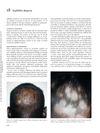
 Syphilitic alopecia is a rare hair loss condition in secondary syphilis that looks similar to another condition but can be diagnosed with specific tests and responds to antibiotics.
12 citations
,
March 2000 in “CRC Press eBooks”  4 citations
,
January 2002 in “Annals of Dermatology”
4 citations
,
January 2002 in “Annals of Dermatology” Androgenetic alopecia, or hair loss, is most common in people in their 30s, can start early, is often inherited, and may be influenced by factors like hormones and scalp health.
 5 citations
,
January 2014 in “International Journal of Trichology”
5 citations
,
January 2014 in “International Journal of Trichology” Hair loss on the lower legs is common in middle-aged men, usually harmless, and doesn't need treatment.
12 citations
,
August 2002 in “Archives of Dermatology”  4 citations
,
December 2020 in “Journal of Dermatology”
4 citations
,
December 2020 in “Journal of Dermatology” Impaired autophagy may cause hair loss by triggering early catagen.
 September 2024 in “Ain Shams Medical Journal”
 Androgenic alopecia causes hair thinning, and treatments include minoxidil, finasteride, and light therapy.

Scalp tinea versicolor can mimic alopecia areata but is treatable with antifungal medication.
 3 citations
,
December 2018 in “Journal of Pakistan Association of Dermatology”
3 citations
,
December 2018 in “Journal of Pakistan Association of Dermatology” Alopecia areata mainly affects young people, often showing as patchy hair loss on the scalp.
 April 2018 in “The journal of investigative dermatology/Journal of investigative dermatology”
 Aging causes changes in scalp cells that can negatively affect hair health.
4 citations
,
March 1988 in “PubMed”  January 2024 in “Journal of Cosmetic Dermatology”
 Men's and women's pattern hair loss progress differently, with men showing more hair thinning and women having more widespread hair loss.
January 2025 in “International Journal of Pharmaceutical Quality Assurance” Elderly patients often have skin issues like itching and hair loss, and early treatment can improve their quality of life.
 July 2023 in “Health science reports”
 Alopecia Areata is linked to a higher risk of several diseases, which vary with age and sex.
5 citations
,
November 2003 in “Biomedical Papers of the Faculty of Medicine of Palacký University, Olomouc Czech Republic” The exact causes of baldness are not fully understood, limiting treatment options.

Androgenetic alopecia is a common type of hair loss in men and women, caused by a testosterone byproduct affecting hair follicles, with sensitivity determined by genetics.