57 citations
,
July 2000 in “Toxicology Letters” K6/ODC transgenic mice are effective for quickly identifying cancer-causing chemicals.
 48 citations
,
July 2019 in “International Journal of Biological Macromolecules”
48 citations
,
July 2019 in “International Journal of Biological Macromolecules” A new hydrogel with stem cells from human umbilical cords improves skin wound healing and reduces inflammation.
 November 2023 in “The journal of investigative dermatology/Journal of investigative dermatology”
 Cancer treatment drugs can cause permanent hair loss by damaging hair follicle stem cells, but a specific inhibitor might reverse this effect.
September 1999 in “Molecular Carcinogenesis” Increased ODC expression makes normally tumor-resistant mice more prone to tumor development.
 18 citations
,
February 2014 in “PubMed”
18 citations
,
February 2014 in “PubMed” Androgenetic alopecia is a common hair loss condition caused by testosterone effects on hair follicles, leading to thinner, shorter, and less pigmented hair, diagnosed using scalp dermoscopy and treated with topical minoxidil, antiandrogen agents, and 5-alpha reductase inhibitors.
 31 citations
,
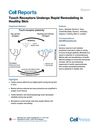
November 2016 in “Cell Reports”
31 citations
,
November 2016 in “Cell Reports” Touch sensitivity in mouse skin decreases during hair growth due to changes in touch receptors.
 4 citations
,
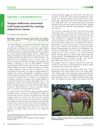
January 2007 in “Australian Veterinary Journal”
4 citations
,
January 2007 in “Australian Veterinary Journal” A horse's sudden hair loss was caused by an allergic reaction to a coat conditioning powder.
 July 2023 in “International journal of dermatology, venereology and leprosy sciences”
 New treatments are being explored to slow or reverse hereditary hair loss.
 April 2018 in “Journal of Investigative Dermatology”
 STIM1 is essential for sweat secretion.
 14 citations
,
September 1986 in “Archives of Dermatology”
14 citations
,
September 1986 in “Archives of Dermatology” Women with low SHBG levels and a high 3a-diol G to SHBG ratio are likely to experience female pattern baldness, possibly due to a slight excess of androgens affecting sensitive hair bulbs.
3 citations
,
June 2015 in “CRC Press eBooks” Male pattern hair loss affects up to 80% of men due to genetics and hormone sensitivity.

Androgenetic alopecia is a common type of hair loss in men and women, caused by a testosterone byproduct affecting hair follicles, with sensitivity determined by genetics.

Optical Coherence Tomography has potential in diagnosing hair loss and monitoring blood clotting, and could be improved for deeper tissue observation and better hair loss understanding.
 August 2022 in “bioRxiv (Cold Spring Harbor Laboratory)”
 Mouse touch-sensitive nerve cells adjust their connections based on competition with other similar cells.
4 citations
,
January 1993 in “Clinical Chemistry and Laboratory Medicine (CCLM)” The new method is 1000 times more sensitive for measuring hair growth.
 70 citations
,
April 2017 in “Lasers in surgery and medicine”
70 citations
,
April 2017 in “Lasers in surgery and medicine” Blue light promotes hair growth by interacting with specific receptors in hair follicles.
4 citations
,
April 2001 in “Experimental Dermatology” Using single dermal papillae is unreliable for analyzing androgen metabolism in hair follicles.
 66 citations
,
January 2000 in “Hormone Research in Paediatrics”
66 citations
,
January 2000 in “Hormone Research in Paediatrics” Androgens can both promote and prevent hair growth due to differences in gene expression in hair follicles.
 5 citations
,
October 2021 in “Signal Transduction and Targeted Therapy”
5 citations
,
October 2021 in “Signal Transduction and Targeted Therapy” Stress hormone corticosterone suppresses hair growth by affecting stem cell activity and Gas6 protein expression.
 169 citations
,
May 2006 in “Genes & Development”
169 citations
,
May 2006 in “Genes & Development” Keratin 17 is crucial for normal hair growth by regulating hair cycle transitions with TNFα.
30 citations
,
October 1999 in “Differentiation” Mutant MK6a transgenes in mice cause blistering, hair loss, and potential human alopecia.
 23 citations
,
July 2007 in “The journal of investigative dermatology/Journal of investigative dermatology”
23 citations
,
July 2007 in “The journal of investigative dermatology/Journal of investigative dermatology” Hair follicle bulge cells don't help skin regrow after glucocorticoid damage; interfollicular epidermis cells do.
 13 citations
,
July 2004 in “Skinmed”
13 citations
,
July 2004 in “Skinmed” Common types of non-scarring hair loss have various causes and treatments, but more effective solutions are needed.
 July 2026 in “Frontiers in Cellular and Infection Microbiology”
 Staphylococcus levels may indicate hair loss in men and could help develop new treatments.
 February 2024 in “International Journal of Molecular Sciences”
 Hair loss in Androgenetic Alopecia is caused by genetics, aging, and lifestyle, leading to hair follicle shrinkage and related health risks.
 September 2017 in “Journal of Investigative Dermatology”
 Stabilizing HIF-1A in hair follicles may reduce oxidative stress and promote hair growth by increasing glycolysis.
 November 2022 in “Journal of Investigative Dermatology”
 Autophagy in skin cells is important for preventing inflammation, skin tumors, and controlling hair growth timing.
9 citations
,
July 1993 in “The journal of investigative dermatology/Journal of investigative dermatology” Sex hormones and antiandrogens can either stimulate or inhibit human hair follicle cell growth depending on the dose.
Women with androgenetic alopecia (hair loss) have normal prostate specific antigen levels but higher testosterone levels.
16 citations
,
August 1989 in “Human Reproduction” Hirsutism in females is caused by high male hormones or sensitive hair follicles.