 October 2024 in “Archives of Dermatological Research”
 Higher GPER-1 levels are linked to more severe and shorter-duration androgenetic alopecia, suggesting GPER-1 as a potential treatment target.
 July 2025 in “The Egyptian Journal of Hospital Medicine”
 Estrogen affects hair growth, and GPER-1 levels might help identify hair loss types.
 July 2021 in “Archives of Dermatological Research”
 Alopecia patients have less GPER-1, which might affect hair loss.
 93 citations
,
June 2001 in “The Journal of Clinical Endocrinology and Metabolism”
93 citations
,
June 2001 in “The Journal of Clinical Endocrinology and Metabolism” Certain genetic variations in the AR and ERβ genes can affect androgen levels in women.
 5 citations
,
August 2018 in “Sexual Medicine Reviews”
5 citations
,
August 2018 in “Sexual Medicine Reviews” 5α-Reductase inhibitors do not consistently increase testosterone levels in the blood.
 August 2013 in “Fertility and Sterility”
 PCOS may be influenced by factors in the blood, not just the ovaries.
4 citations
,
January 1991 in “Journal of dermatological treatment” Goserelin and oestradiol treatment slightly improved hairiness but did not significantly change sebum production or hair characteristics in mildly hirsute women.
 176 citations
,
August 2000 in “The Journal of clinical endocrinology and metabolism/Journal of clinical endocrinology & metabolism”
176 citations
,
August 2000 in “The Journal of clinical endocrinology and metabolism/Journal of clinical endocrinology & metabolism” Hormone treatments in transsexual individuals reduce hair growth and oil production in male-to-females and increase them in female-to-males.
 39 citations
,
August 2004 in “International journal of gynaecology and obstetrics”
39 citations
,
August 2004 in “International journal of gynaecology and obstetrics” Finasteride and CPA-EE2 equally reduce hirsutism, but affect hormone levels differently.
 11 citations
,
March 2016 in “Translational Andrology and Urology”
11 citations
,
March 2016 in “Translational Andrology and Urology” Nandrolone might increase muscle mass with fewer side effects than testosterone but could cause erectile dysfunction and needs more research.
 April 2024 in “JCEM case reports”
 A man's breast enlargement from low-dose finasteride for hair loss didn't go away, even with treatment, and might be more common than reported.
 May 2015 in “Endocrinología y nutrición”
 The conclusion is that adult males with muscle weakness and hormonal imbalances should be tested for Kennedy's disease.
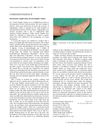 May 2002 in “British Journal of Dermatology”
 A pregnant woman's skin condition improved after giving birth, possibly due to high estrogen levels during pregnancy.
 205 citations
,
July 2009 in “Journal of Dermatological Science”
205 citations
,
July 2009 in “Journal of Dermatological Science” Male and female skin differ in many ways, which could lead to gender-specific skin treatments.
January 2011 in “Journal of Diagnosis and Therapy on Dermato-venereology” Genetics, low estrogen, and low iron levels contribute to female hair loss, with specific scalp signs indicating severity.
 152 citations
,
December 2007 in “Gender Medicine”
152 citations
,
December 2007 in “Gender Medicine” Male and female skin differ due to hormones, affecting conditions like hair loss, acne, and skin cancer, and suggesting a need for gender-specific treatments.
 17 citations
,
March 2016 in “Liver international”
17 citations
,
March 2016 in “Liver international” Men with advanced liver disease and high oestrone and low testosterone levels have worse health outcomes.
463 citations
,
September 2004 in “Clinics in dermatology” Effective acne treatments should reduce sebum, bacteria, and inflammation, with isotretinoin being the best for severe cases.
 305 citations
,
February 2007 in “Hormone and metabolic research”
305 citations
,
February 2007 in “Hormone and metabolic research” Human skin makes sexual hormones that affect hair growth, skin health, and healing; too much can cause acne and hair loss, while treatments can manage these conditions.
76 citations
,
October 2016 in “Clinics in dermatology” Sex hormones, especially androgens, play a key role in causing acne.
 68 citations
,
June 2005 in “Expert Opinion on Therapeutic Targets”
68 citations
,
June 2005 in “Expert Opinion on Therapeutic Targets” Oestrogens help maintain healthy skin, heal wounds, and may protect against skin aging and cancer.
 14 citations
,
April 2022 in “Climacteric”
14 citations
,
April 2022 in “Climacteric” Menopause causes dry skin, wrinkles, and hair changes, with hormone therapy helping but not recommended just for these issues.
 11 citations
,
November 2022 in “Journal of Endocrinological Investigation”
11 citations
,
November 2022 in “Journal of Endocrinological Investigation” Hormonal treatments can change hair and skin in transgender people, but may not fully achieve desired results.
 6 citations
,
September 2005 in “Expert Opinion on Pharmacotherapy”
6 citations
,
September 2005 in “Expert Opinion on Pharmacotherapy” Androgen therapy can help with symptoms like low libido in women, but more research is needed to understand its long-term safety and effects on health.
2 citations
,
September 2025 in “Cosmetics” Hormonal therapies can improve skin issues by adjusting hormone levels, with future advancements promising better results.
 1 citations
,
November 2011 in “Open access journal of contraception”
1 citations
,
November 2011 in “Open access journal of contraception” Birth control pills with low-dose estrogen and antiandrogenic progestins can effectively treat acne.
 September 2021 in “International Journal of Biomedicine”
 Certain gene variations are linked to a higher risk of severe acne, suggesting a genetic influence on the condition.
 January 2018 in “Springer eBooks”
 Gender affects hair and scalp characteristics, with differences in hormone responses, graying patterns, and trace metals.
 September 2014 in “Springer eBooks”
 Men and women experience skin aging differently due to changes in sex hormone levels with age.
 October 2007 in “Postgraduate obstetrics & gynecology”
 Testosterone therapy can help with androgen deficiency in women but should be used with caution and monitoring due to potential risks.