 1 citations
,
June 2025 in “Environmental Research”
1 citations
,
June 2025 in “Environmental Research” Most women had adequate essential elements except zinc, and lead levels were higher in peri-/post-menopausal women.
 2 citations
,
October 1999 in “Annals of the New York Academy of Sciences”
2 citations
,
October 1999 in “Annals of the New York Academy of Sciences” Melatonin and cortisol affect mink winter hair growth, but β-endorphin levels do not.
 1 citations
,
February 2025 in “Frontiers in Endocrinology”
1 citations
,
February 2025 in “Frontiers in Endocrinology” Diet and sunlight are important for maintaining good vitamin D levels.
 59 citations
,
September 1994 in “The Journal of Clinical Endocrinology and Metabolism”
59 citations
,
September 1994 in “The Journal of Clinical Endocrinology and Metabolism” Finasteride reduces scalp DHT levels, potentially treating male pattern baldness.
 52 citations
,
October 2004 in “Veterinary dermatology”
52 citations
,
October 2004 in “Veterinary dermatology” Melatonin and mitotane treatment led to hair re-growth in 62% of dogs with Alopecia X, but this was not always linked to normal hormone levels.
 10 citations
,
April 1995 in “Animal Science/Animal science”
10 citations
,
April 1995 in “Animal Science/Animal science” Melatonin implants can change the seasonal prolactin levels and hair growth in adult cashmere goats but not in juveniles, and don't delay spring moult for better fiber harvesting.
 93 citations
,
January 2016 in “British Journal of Dermatology”
93 citations
,
January 2016 in “British Journal of Dermatology” Eating a high-glycemic diet may worsen acne by increasing certain protein levels and expressions in the skin.
February 1990 in “Pathology, research and practice” PCS rats show significant inner ear damage and zinc deficiency, similar to liver cirrhosis patients.
7 citations
,
October 2018 in “South African journal of botany” Clausena anisata may be effective in treating acne due to its ability to fight bacteria, reduce inflammation, and possibly lower sebum production.
4 citations
,
March 2018 in “Systems biology in reproductive medicine” Men born very underweight had higher estrogen levels but normal reproduction compared to normal birth weight men.
14 citations
,
October 2022 in “Journal of the American Heart Association” Lower testosterone levels may increase heart failure risk in older men.
34 citations
,
August 2005 in “Veterinary Dermatology” Goats may need lifelong zinc supplements due to hereditary zinc absorption issues.
3 citations
,
May 2014 in “Urologia Journal” 5ARIs lower PSA levels, but other tests are needed to avoid missing aggressive prostate cancer.
90 citations
,
July 2014 in “Conservation Physiology” Hair cortisol levels in brown bears can be affected by both long-term and short-term stress.
39 citations
,
July 2007 in “SKINmed Dermatology for the Clinician” A 4-year-old girl's hair loss stopped after taking zinc supplements and changing her diet.
 2 citations
,
April 2023 in “South East European Journal of Immunology”
2 citations
,
April 2023 in “South East European Journal of Immunology” High leptin levels may promote skin cancer and inflammation, suggesting potential for leptin-targeted therapies.
100 citations
,
October 1986 in “Clinical Endocrinology” Alopecia indicates more severe resistance to 1,25-dihydroxyvitamin D.
3 citations
,
January 2024 in “Revista da Associação Médica Brasileira” Women with PCOS are more likely to have depression and anxiety.
 239 citations
,
July 2002 in “Clinical and Experimental Dermatology”
239 citations
,
July 2002 in “Clinical and Experimental Dermatology” Low iron and L-lysine levels can cause hair loss in women, and increasing these nutrients can reduce hair shedding.
26 citations
,
September 2013 in “Journal of Dermatological Science” Serum granulysin levels can indicate the activity and prognosis of alopecia areata.
October 2024 in “Journal of Medical and Scientific Research” Higher prolactin levels are linked to psoriasis, alopecia areata, and vitiligo severity.
 8 citations
,
February 2007 in “Journal of The American Academy of Dermatology”
8 citations
,
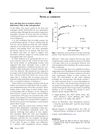
February 2007 in “Journal of The American Academy of Dermatology” Higher serum ferritin levels than currently used might be needed to rule out iron deficiency in women with hair loss.
7 citations
,
February 2017 in “The American journal of medicine” People often have iron deficiency after weight-loss surgery, which can cause symptoms like hair loss and dizziness, and iron levels should be tested to diagnose it.
 6 citations
,
December 2022 in “Frontiers in Pharmacology”
6 citations
,
December 2022 in “Frontiers in Pharmacology” Quercetin may help improve symptoms of polycystic ovary syndrome.
July 2026 in “Journal of Dermatological Treatment” Finasteride and dutasteride both improve hair growth effectively, but dutasteride has stronger anti-androgen effects and finasteride may cause more sexual side effects.
 June 2024 in “Journal of Cosmetic Dermatology”
 Higher homocysteine levels may inhibit hair growth and are linked to androgenetic alopecia.
March 1997 in “Medical Molecular Morphology” Zinc deficiency causes early scalp hair damage that recovers slower than skin symptoms.
May 2023 in “Journal of Cosmetic Dermatology” Androgenetic alopecia is linked to higher cardiovascular and metabolic risks, possibly due to irisin resistance.
April 2023 in “The Egyptian Journal of Hospital Medicine” Higher Interleukin 17A levels may indicate more severe alopecia areata.
 19 citations
,
January 2015 in “Journal of Clinical and Diagnostic Research”
19 citations
,
January 2015 in “Journal of Clinical and Diagnostic Research” The main causes of diffuse hair loss in women are telogen effluvium and androgenetic alopecia, often related to stress and iron deficiency.