 125 citations
,
May 2019 in “Phytomedicine”
125 citations
,
May 2019 in “Phytomedicine” Cepharanthine is a well-tolerated drug with multiple medical uses, including anti-inflammatory and anti-cancer properties.
1 citations
,
September 2025 in “Molecules” The conventional extraction method with 50% ethanol was the most effective for antioxidant activity.
April 2023 in “Zenodo (CERN European Organization for Nuclear Research)” Selected gymnosperms have medicinal potential due to their beneficial plant compounds.
 May 2017 in “bioRxiv (Cold Spring Harbor Laboratory)”
 The peach gene pCTG134 helps control the interaction between auxin and ethylene hormones during fruit ripening.
 5 citations
,
January 2010 in “Medicinal Plants - International Journal of Phytomedicines and Related Industries”
5 citations
,
January 2010 in “Medicinal Plants - International Journal of Phytomedicines and Related Industries” Tridax procumbens has medicinal properties.
 October 2025 in “Scientific Reports”
 Serenoa repens extract shows promise as a natural treatment for prostate cancer.
 April 2024 in “Jurnal Agroindustri Halal/Jurnal agroindustri halal”
 The hair tonic with the highest seaweed extract content showed the best hair growth results.
2 citations
,
January 1975 in “Archives of Dermatological Research” Certain enzymes react strongly with some hormones in rat skin during hair growth, mainly in sebaceous glands and hair sheaths.
14 citations
,
September 1983 in “Acta Dermato Venereologica” Citral increases sebaceous gland activity in male rats.
 4 citations
,
August 2022 in “The Scientific World Journal”
4 citations
,
August 2022 in “The Scientific World Journal” Merremia peltata leaf extract, particularly the bufotalinin compound, shows potential for treating hair loss.
Three Indian medicinal plant compounds help hair growth.
3 citations
,
August 2010 in “Letters in Drug Design & Discovery” 3 citations
,
May 2007 in “Journal of Heterocyclic Chemistry” A new method to make finasteride for hair loss treatment was developed.
 5 citations
,
September 2011 in “Bioorganic & Medicinal Chemistry Letters”
5 citations
,
September 2011 in “Bioorganic & Medicinal Chemistry Letters” Pfizer found that pantolactam-based compounds can reduce sebum (skin oil) production when applied topically.
3 citations
,
September 2024 in “Frontiers in Plant Science” Stephania longa's genome helps understand how it makes the alkaloid cepharanthine.
 August 2025 in “ACS Omega”
 New compounds show promise as nonsteroidal treatments for hair loss.
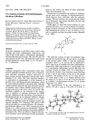 December 1998 in “Acta Crystallographica Section C-crystal Structure Communications”
 A new compound with strong antiandrogenic effects was found, potentially useful for treating conditions like acne and prostate cancer.
 3 citations
,
January 2016 in “Chemical sciences journal”
3 citations
,
January 2016 in “Chemical sciences journal” Tridax procumbens plant extracts, especially from ethanol, have strong antibacterial effects and contain beneficial compounds like flavonoids and tannins.
 1 citations
,
July 2017 in “International Journal of Advanced Research”
1 citations
,
July 2017 in “International Journal of Advanced Research” Tridax procumbens L. has compounds that can fight fungi.
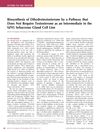 36 citations
,
October 2009 in “Journal of Investigative Dermatology”
36 citations
,
October 2009 in “Journal of Investigative Dermatology” Dihydrotestosterone can be made from dehydroepiandrosterone in skin cells without needing testosterone.
4 citations
,
December 2020 in “Natural Product Sciences” The method identified and measured ten compounds from Eclipta prostrata, showing significant enzyme inhibitory effects.
Equisetum debile extract may help with hair loss by inhibiting enzymes and reducing inflammation.
 January 2024 in “Deleted Journal”
 Thuja plants have medicinal properties and potential for developing new therapies.
 July 2023 in “Pharmacognosy Magazine”
 Cerasus serrulata flower extracts have strong antibacterial and antioxidant effects and may help prevent hair loss.
 April 2023 in “Journal of Investigative Dermatology”
 Terminalia chebula fruit extract has strong anti-aging and antioxidant effects.
January 2023 in “Rasayan journal of chemistry/Rasayan journal of Chemistry” Methyl pyropheophorbide A from Sansevieria trifasciata leaves may help treat hair loss.
January 2009 in “Xiandai huagong” Finasteride was successfully synthesized from Pregnadienolone acetate.
January 2026 in “Chemistry & Biodiversity” Platycladus orientalis fruit extracts have antioxidant and enzyme-inhibiting properties, useful for health and food applications.
February 2023 in “Reactions Weekly”