1 citations
,
December 2019 Selenium is essential for health, but too much or too little can cause problems; blood selenium levels are a good measure of intake.
 September 2014 in “Aktuelle Dermatologie”
 The symposium concluded that environmental factors significantly contribute to skin aging.
 February 2026 in “Preprints.org”
 Beer yeast vesicles may improve hair follicle health.
2 citations
,
October 2025 in “Antimicrobial Agents and Chemotherapy” Cepharanthine can block enterovirus entry and protect against infection.
24 citations
,
January 2011 in “Sexual Development” Intersex frogs have different brain gene activity related to sex and thyroid hormones.
 November 2022 in “International journal of biology, pharmacy and allied sciences”
 The new herbal shampoo is effective, safe, and more affordable than other products.
4 citations
,
November 1984 in “JAMA” Certain medications, like trimethoprim, can cause aseptic meningitis, especially in people with autoimmune conditions.
 28 citations
,
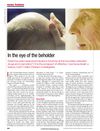
August 2003 in “Nature”
28 citations
,
August 2003 in “Nature” Cosmeceuticals may have potential but their effectiveness and market success are still uncertain.
29 citations
,
October 2020 in “Environmental health perspectives” Five preservatives may disrupt hormone function and need more health and environmental risk assessment.
 October 2023 in “Biomedical science and engineering”
 Innovative methods are reducing animal testing and improving biomedical research.
8 citations
,
January 2009 in “Bulletin of the Veterinary Institute in Pulawy” A goat's skin infection was cured with itraconazole and D-biotin.
 March 2026 in “Akdeniz Medical Journal”
 Exosomes show promise for treating skin conditions and improving cosmetic skin health.
January 2018 in “ScholarWorks @UVM (University of Vermont)” Selenium in proteins helps prevent over-oxidation and supports chemical reversibility.
 November 2025 in “Zenodo (CERN European Organization for Nuclear Research)”
 Keyora Lycopene 23 in 1 Man's Multi-Vitamin improves male reproductive health and metabolism.
December 2024 in “Naunyn-Schmiedeberg s Archives of Pharmacology”  January 2024 in “Wiadomości Lekarskie”
 A multidisciplinary approach is crucial for managing Silver-Russell syndrome effectively.
 7 citations
,
November 2010 in “Genesis”
7 citations
,
November 2010 in “Genesis” Mouse Scube3 affects teeth, tongue, vibrissae, and eye development, but not facial structure or limb growth.
37 citations
,
August 2019 in “Frontiers in Microbiology” Staphylococcus epidermidis A/C strains are more antibiotic-resistant and infection-adapted, while B strains thrive in hair follicles.
 September 2017 in “The journal of investigative dermatology/Journal of investigative dermatology”
 The reconstructed skin model from hair follicles functions like human skin in processing chemicals and can be used to test ingredient safety.
 June 2026 in “Zenodo (CERN European Organization for Nuclear Research)”
 Clitoria ternatea has potential health and skincare benefits but needs more testing for safe use.
 June 2026 in “Zenodo (CERN European Organization for Nuclear Research)”
 Clitoria ternatea has potential health and skincare benefits but needs more testing for safe use.
June 2007 in “CRC Press eBooks” Aesthetic mesotherapy can improve the appearance of the face and hair.
December 2025 in “Advanced Healthcare Materials” The Spherical Skin Model improves drug and cosmetic testing by accurately mimicking human skin for efficient compound screening.
 October 2025 in “Scientific Reports”
 Serenoa repens extract shows promise as a natural treatment for prostate cancer.
 1 citations
,
September 2023 in “Applied sciences (Basel)”
1 citations
,
September 2023 in “Applied sciences (Basel)” Ishige sinicola extract may help prevent muscle atrophy through its antioxidant and anti-inflammatory effects.
 December 2022 in “한국 미생물 생명공학회지”
 TS-SCLF from fermented Schisandra chinensis may promote hair growth and improve hair quality.

I'm sorry, but I cannot process the document as it is not in English. If you provide an English summary or conclusion, I can help summarize that for you.
1 citations
,
July 1990 in “European Journal of Pharmacology”