 April 2021 in “European medical journal”
 A COVID-19 patient had severe and long-lasting skin issues and unusual hair loss.
 1 citations
,
August 2021 in “Internal Medicine Journal”
1 citations
,
August 2021 in “Internal Medicine Journal” After severe COVID-19, 71% of patients experienced excessive hair shedding and thinning within 3 months due to factors like low oxygen levels, medication, stress, and autoimmune disease.
Androgenetic alopecia may be linked to severe COVID-19.
Most severe COVID-19 patients had hair loss, suggesting a possible link.
 14 citations
,
February 2021 in “Journal of the European Academy of Dermatology and Venereology”
14 citations
,
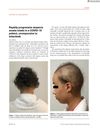
February 2021 in “Journal of the European Academy of Dermatology and Venereology” A COVID-19 patient with severe hair loss did not improve with hair loss medication after stopping and restarting it due to the infection.
August 2024 in “Journal of Vaccines Immunology and Immunopathology” A COVID-19 vaccine may trigger severe hair loss in rare cases.
 6 citations
,
July 2020 in “Journal of The American Academy of Dermatology”
6 citations
,
July 2020 in “Journal of The American Academy of Dermatology” Hair loss link to severe COVID-19 unclear.
 1 citations
,
May 2021 in “International Journal Of Medical Science And Clinical Invention”
1 citations
,
May 2021 in “International Journal Of Medical Science And Clinical Invention” Women with PCOS may have a higher risk of severe COVID-19 due to hormonal imbalances and vitamin D deficiency.
October 2021 in “Journal of Investigative Dermatology” No significant link between male pattern baldness and severe Covid-19, but some shared biological pathways exist.
8 citations
,
February 2022 in “Frontiers in Medicine” COVID-19 may trigger severe skin flare-ups in people with autoimmune conditions like lupus.
 185 citations
,
August 2020 in “Mayo Clinic Proceedings”
185 citations
,
August 2020 in “Mayo Clinic Proceedings” Men are more likely to have severe COVID-19 cases and fatalities than women due to factors like lifestyle, aging, and biological differences.
 119 citations
,
May 2020 in “Journal of The American Academy of Dermatology”
119 citations
,
May 2020 in “Journal of The American Academy of Dermatology” Most COVID-19 patients in hospitals have androgenetic alopecia, more in men, suggesting a link between androgen sensitivity and severe COVID-19 symptoms.
 7 citations
,
May 2022 in “The Journal of Dermatology”
7 citations
,
May 2022 in “The Journal of Dermatology” Hair loss is a frequent long-term effect of COVID-19, and oral minoxidil is the most common effective treatment.
December 2024 in “Journal of Investigative Dermatology” People with androgenetic alopecia had milder COVID-19 symptoms during the Omicron wave in China.
 4 citations
,
October 2020 in “Research Square (Research Square)”
4 citations
,
October 2020 in “Research Square (Research Square)” Early treatment with certain drug combinations improved COVID-19 outcomes and prevented severe disease in males, including those at higher risk.
 3 citations
,
November 2020 in “Ciencia Tecnología y Salud”
3 citations
,
November 2020 in “Ciencia Tecnología y Salud” COVID-19 symptoms range from mild to severe, with older adults at higher risk.
 2 citations
,
August 2022 in “Clinical Case Reports”
2 citations
,
August 2022 in “Clinical Case Reports” A 17-year-old girl had severe, on-and-off hair loss, likely due to COVID-19. She was treated with Vitamin D3, biotin, and other supplements, and saw some improvement within a month.
COVID-19 may lead to severe skin necrosis without clear underlying causes, as seen in a diabetic patient who required leg amputation.
 125 citations
,
August 2020 in “Frontiers in Immunology”
125 citations
,
August 2020 in “Frontiers in Immunology” Men generally have more severe COVID-19 cases and higher death rates than women due to biological differences.
 29 citations
,
October 2020 in “Journal of the European Academy of Dermatology and Venereology”
29 citations
,
October 2020 in “Journal of the European Academy of Dermatology and Venereology” Women with high androgen levels may have more severe COVID-19 symptoms.
26 citations
,
June 2020 in “The Journal of Allergy and Clinical Immunology In Practice” A patient developed a severe skin reaction and died after taking hydroxychloroquine for COVID-19.
25 citations
,
June 2023 in “Biomedicines” Men generally face more severe COVID-19 outcomes than women, partly due to hormonal differences.
 4 citations
,
March 2021 in “Le infezioni in medicina”
4 citations
,
March 2021 in “Le infezioni in medicina” Men with hair loss are more likely to experience moderate to severe COVID-19 symptoms.
 3 citations
,
September 2021 in “International Journal of Molecular Sciences”
3 citations
,
September 2021 in “International Journal of Molecular Sciences” Androgens and a high-fat diet may increase the risk of severe COVID-19 in women with PCOS by upregulating certain proteins in the heart and kidneys.
Survivors of severe COVID-19 need ongoing care to manage lasting health issues.
 January 2025 in “International Journal of Trichology”
 Severe hair loss may increase the risk of dying from COVID-19.
 April 2023 in “International Journal of Community Medicine and Public Health”
 Older people with severe COVID-19, especially those with certain health conditions, are more likely to experience post-COVID syndrome.
 April 2023 in “American Journal of Transplantation”
 Hormone replacement therapy may lower the risk of severe COVID-19 outcomes in non-immunosuppressed people and male organ transplant recipients.

Hair loss can happen after both mild and severe COVID-19, and areas with more COVID-19 cases may see more hair loss cases.
 November 2022 in “Journal of clinical images and medical case reports”
 COVID-19 can cause hair loss in both severe and mild cases, often affecting women.