November 2025 in “Journal of Investigative Dermatology” IMG-007 helps regrow hair and reduce scalp inflammation in severe alopecia areata.
October 2025 in “Archives of Dermatological Research” Topical metformin gel is as effective and safe as steroids for treating alopecia areata.
September 2025 in “Asian journal of pediatric dermatology.” Abrocitinib helped a 14-year-old girl with severe alopecia areata regrow her hair significantly.
June 2025 in “British Journal of Dermatology” Ruxolitinib helped a woman with a genetic mutation regrow her hair and improved her health.
Ivarmacitinib effectively regrows hair in severe alopecia areata.
 November 2024 in “Journal of Cosmetic Dermatology”
 Baricitinib is effective for severe alopecia areata but has some side effects.
 June 2024 in “Indian Dermatology Online Journal”
 Topical tofacitinib is effective and safe for treating alopecia areata.
 June 2024 in “IP Indian journal of clinical and experimental dermatology”
 PRP therapy effectively treats alopecia areata and atrophic acne scars.
40 citations
,
October 2012 in “Journal of the American Academy of Dermatology” CLASI is a valid tool for assessing skin activity and damage in lupus patients.
13 citations
,
November 2022 in “Future Journal of Pharmaceutical Sciences” Liposome-based cosmeceuticals improve treatment effectiveness for skin and hair conditions.
 8 citations
,
November 2022 in “Cureus”
8 citations
,
November 2022 in “Cureus” Lulican™ shampoo is more effective and better tolerated than Ketoconazole for treating scalp seborrheic dermatitis.
4 citations
,
July 2023 in “Nature Medicine” The FDA approved a new Pfizer drug for hair loss in teens.
 1 citations
,
April 2023 in “Archives of Dermatological Research”
1 citations
,
April 2023 in “Archives of Dermatological Research” Skin emergency severity rises with other health issues and affects multiple organs; a new grading system can improve patient care.
 September 2025 in “Journal of Cosmetic Dermatology”
 Scalp micropigmentation effectively treats localized alopecia with high patient satisfaction.
November 2024 in “Journal of Investigative Dermatology” Certain NK cell changes in blood may indicate alopecia areata progression.
 October 2024 in “Stem Cell Research & Therapy”
 CGF therapy may effectively treat psoriasis by reducing inflammation.
 May 2024 in “Lasers in medical science”
 The 2940-nm Er: YAG laser combined with medication is a safe and better treatment for male hair loss than medication alone.
 November 2023 in “Indian Dermatology Online Journal”
 Tofacitinib was effective for severe, treatment-resistant hair loss without side effects.
April 2022 in “Journal of evolution of medical and dental sciences” Intralesional triamcinolone acetonide is more effective but has a higher relapse rate than platelet-rich plasma for treating alopecia areata.
 January 2018 in “Springer eBooks”
 PDE inhibitors, especially PDE4 inhibitors like apremilast, are effective for certain inflammatory skin conditions but have side effects and can be costly.
New treatments for skin conditions show promise, especially Coacillium® for hair growth in young people with alopecia areata.
2 citations
,
September 2025 in “Journal of Dermatological Treatment” Shorter alopecia areata episodes lead to better baricitinib treatment outcomes.
2 citations
,
September 2024 in “Journal of Dermatological Treatment” Combining compound glycyrrhizin with minoxidil is more effective for alopecia areata than minoxidil alone.
 1 citations
,
April 2020 in “Magnetic Resonance in Medical Sciences”
1 citations
,
April 2020 in “Magnetic Resonance in Medical Sciences” MRI helps evaluate androgenetic alopecia severity.
June 2026 in “Indian Dermatology Online Journal” Tofacitinib may work better than methotrexate for treating moderate-to-severe alopecia areata.
June 2026 in “British Journal of Dermatology” Regional prescribing of ritlecitinib mostly follows national guidance, but psychological assessments and consistent scoring need improvement.
 March 2026 in “International Journal of Dermatology and Venereology”
 Abrocitinib significantly improved hair regrowth in adolescents with alopecia areata without serious safety issues.
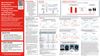 November 2025 in “SKIN The Journal of Cutaneous Medicine”
 Baricitinib effectively regrows scalp hair in most people with severe alopecia areata.
June 2025 in “British Journal of Dermatology” Tofacitinib is more effective than methotrexate for treating moderate-to-severe alopecia areata.
June 2025 in “British Journal of Dermatology” Tofacitinib was more effective than methotrexate for treating alopecia areata.