March 2026 in “Journal of the American Academy of Dermatology” A holistic approach, including diet and stress management, may improve androgenetic alopecia treatment outcomes.
 December 2025 in “International Journal of Innovative Technologies in Social Science”
 New treatments for androgenetic alopecia show promise but need more research for validation.
 January 2025 in “Journal of Cutaneous and Aesthetic Surgery”
 Low-level laser therapy effectively improves hair growth in androgenetic alopecia with minimal side effects.
 February 2024 in “Actas Dermo-Sifiliográficas”
 Dermatologists recommend oral dutasteride for male hair loss, low-dose oral minoxidil for female hair loss, and a multidisciplinary approach for young patients, with caution during pregnancy.
 November 2023 in “Journal of Student Research”
 New treatments like low-level laser therapy, platelet-rich plasma therapy, and micro needling show positive results for hair regrowth in people with genetic hair loss.
 July 2023 in “JAAD International”
 Two drugs, finasteride and minoxidil, are approved for hair loss treatment, but new therapies are being developed.
 May 2023 in “Journal of Clinical Medicine”
 New understanding and treatments for hair loss are improving, but more research is needed.
May 2023 in “Clinical, Cosmetic and Investigational Dermatology” More personalized and effective treatments for androgenetic alopecia are needed.
 January 2023 in “Skin appendage disorders”
 Laser treatment for hair loss works equally well on different skin types, but more research is needed for very dark skin.
 April 2022 in “Medicina estética”
 Minoxidil is the only FDA-approved treatment for female hair loss, with other potential treatments needing more research for effectiveness.
December 2018 in “Zenodo (CERN European Organization for Nuclear Research)” Low-level laser therapy may help hair growth, but more research is needed.
July 2012 in “International Journal of Trichology” Understanding hair health and disorders is important for effective treatment.
 June 2022 in “Journal of Dermatology Research”
 Using 448-kHz Capacitive-Resistive Electrothermal Therapy can help increase hair density and prevent hair loss in women.
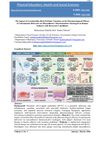 January 2026 in “Physical Education Health and Social Sciences”
 Combining probiotics, clotrimazole gel, and laser therapy improves treatment for recurrent yeast infections.

More research is needed to confirm the potential of various treatments, including Helichrysum plicatum, vitamins, bromelain, personalized medications, hydrogels, and bacteriophage therapy.
 55 citations
,
July 2016 in “Dermatologic Therapy”
55 citations
,
July 2016 in “Dermatologic Therapy” Multiple treatments work best for hair loss.
3 citations
,
October 2024 in “International Journal of Molecular Sciences” CRET therapy affects inflammation in skin cells by changing cytokine levels and activating certain proteins.
February 2024 in “Neurophotonics” Light therapy on the brain shows promise for treating brain diseases and improving brain function.
 1 citations
,
August 2023 in “Biomolecules & therapeutics”
1 citations
,
August 2023 in “Biomolecules & therapeutics” HAPLN1 can promote hair growth and may help treat hair loss.
 39 citations
,
July 2021 in “Stem Cell Research & Therapy”
39 citations
,
July 2021 in “Stem Cell Research & Therapy” Using fat stem cells and blood cell-rich plasma together improves healing in diabetic wounds by affecting cell signaling.
 12 citations
,
January 2008 in “Drugs”
12 citations
,
January 2008 in “Drugs” Some topical treatments like corticosteroids and vitamin D analogues are effective for scalp psoriasis, but more long-term data is needed.
January 2019 in “International Journal of Case Reports and Images” Combining microneedling with light therapy increased hair density by 26% in men.
 11 citations
,
July 2017 in “Expert Opinion on Investigational Drugs”
11 citations
,
July 2017 in “Expert Opinion on Investigational Drugs” New hair loss treatments may include topical medications, injections, and improved transplant methods.
 December 2022 in “Otorhinolaryngology, Head and Neck Pathology.”
 Using PBMT and Respiro Mirtol forte after septoplasty reduces pain and inflammation.
 July 2023 in “Photodermatology, Photoimmunology and Photomedicine”
 Infrared radiation can cause skin aging and cancer at high temperatures but may have therapeutic benefits at controlled levels.
 43 citations
,
June 2012 in “Lasers in Medical Science”
43 citations
,
June 2012 in “Lasers in Medical Science” Low-level laser treatment helped rats regrow hair faster after chemotherapy.
 1 citations
,
October 2017 in “The Journal of Urology”
1 citations
,
October 2017 in “The Journal of Urology” Long-term medication for enlarged prostate might not clearly affect the timing or outcomes of later surgery.
 January 2019 in “Acta dermatovenerologica Alpina, Pannonica et Adriatica (Tiskana izd.)”
 Non-ablative radio frequency can potentially increase hair count in men with androgenetic alopecia, but some may be bothered by the smell during treatment.
 123 citations
,
December 2015 in “Journal of Neuroendocrinology”
123 citations
,
December 2015 in “Journal of Neuroendocrinology” New targets for making and using brain-synthesized steroids could lead to better treatments for brain disorders and alcoholism.
 38 citations
,
December 2019 in “Iranian Biomedical Journal”
38 citations
,
December 2019 in “Iranian Biomedical Journal” Hair follicle stem cells help burns heal faster and stronger.