 January 2024 in “International Journal of Biological and Environmental Investigations”
 A reliable method was developed to measure dutasteride in tablets accurately and consistently.
 September 2019 in “Journal of Investigative Dermatology”
 Retinol significantly reduces neck wrinkles.
 19 citations
,
January 2001 in “Internal Medicine”
19 citations
,
January 2001 in “Internal Medicine” Protein-losing enteropathy worsened with lupus symptoms but improved with prednisolone.
 88 citations
,
May 2005 in “Journal of Dermatological Science”
88 citations
,
May 2005 in “Journal of Dermatological Science” Versican, a protein, is less present in thinning hair follicles and this decrease might contribute to common hair loss in men.
 27 citations
,
August 2005 in “The journal of investigative dermatology/Journal of investigative dermatology”
27 citations
,
August 2005 in “The journal of investigative dermatology/Journal of investigative dermatology” Researchers found new genes involved in hair growth, which could help develop new hair treatments.
 1 citations
,
January 2017 in “Elsevier eBooks”
1 citations
,
January 2017 in “Elsevier eBooks” The document concludes that new treatments for hair loss may involve a combination of cosmetics, clinical methods, and genetic approaches.
 September 2017 in “Journal of Investigative Dermatology”
 The research concluded that hyaluronic acid affects the formation and growth of hair follicle-like structures in a lab setting.
 September 2017 in “Journal of Investigative Dermatology”
 Hair follicle cells change their DNA packaging during growth cycles and when grown in the lab.
 September 2017 in “Journal of Investigative Dermatology”
 Blue light helps hair growth by affecting specific proteins in hair follicle cells.
 September 2017 in “Journal of Investigative Dermatology”
 Aging causes sweat glands to shrink and move upward, leading to less elastic skin and more wrinkles.
 September 2017 in “Journal of Investigative Dermatology”
 Aging causes sweat glands to shrink, leading to skin issues, and blue light can help hair grow.
 March 1998 in “Journal of dermatological science”
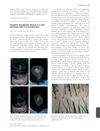
 Protease Nexin-1 is found in human hair growth cells and is affected by male hormones.
 July 2011 in “British Journal of Dermatology”
 Hormone treatment caused hair loss, finasteride helped regrowth.
 21 citations
,
July 2014 in “British Journal of Dermatology”
21 citations
,
July 2014 in “British Journal of Dermatology” Hair thickness matters more than density for baldness in Japanese men over 25.
 12 citations
,
January 2009 in “Journal of Oleo Science”
12 citations
,
January 2009 in “Journal of Oleo Science” Sterol surfactants can effectively dissolve UV ray absorbers.
 11 citations
,
October 2015 in “Clinical and Experimental Dermatology”
11 citations
,
October 2015 in “Clinical and Experimental Dermatology” Sophora flavescens extract helps hair growth and treats hair loss.
 11 citations
,
April 2015 in “International Journal of Cosmetic Science”
11 citations
,
April 2015 in “International Journal of Cosmetic Science” Adenosine helps grow thicker hair in Japanese men with hair loss.
 11 citations
,
May 1990 in “Journal of Dermatological Science”
11 citations
,
May 1990 in “Journal of Dermatological Science” Diazoxide applied to the skin can increase hair growth without harmful side effects.
 9 citations
,
July 2018 in “Acta biomaterialia”
9 citations
,
July 2018 in “Acta biomaterialia” Eyelash curvature is linked to the thickness of the cuticle layer at the root.
 6 citations
,
May 1997 in “Journal of Dermatological Science”
6 citations
,
May 1997 in “Journal of Dermatological Science” Researchers found a gene in hamsters that responds to male hormones and may be indirectly controlled by them.
 4 citations
,
January 1994 in “Yakugaku zasshi”
4 citations
,
January 1994 in “Yakugaku zasshi” EPC-K is stable except at very acidic pH or when exposed to sunlight, and it can decompose in low ethanol concentrations.
 3 citations
,
January 1989 in “Journal of Japan Oil Chemists Society”
3 citations
,
January 1989 in “Journal of Japan Oil Chemists Society” AMT is the best surfactant for hair and scalp care.
 96 citations
,
April 2007 in “Journal of Investigative Dermatology”
96 citations
,
April 2007 in “Journal of Investigative Dermatology” Grafted rodent and human cells can regenerate hair follicles, but efficiency decreases with age.
 34 citations
,
December 1991 in “Annals of the New York Academy of Sciences”
34 citations
,
December 1991 in “Annals of the New York Academy of Sciences” The conclusion is that small hair follicles cause baldness in macaques, and treatments like antiandrogens and minoxidil can prevent hair loss and promote regrowth.
 28 citations
,
March 2010 in “British Journal of Dermatology”
28 citations
,
March 2010 in “British Journal of Dermatology” Genetic marker rs12558842 strongly linked to male hair loss.
 22 citations
,
March 2020 in “Journal of The American Academy of Dermatology”
22 citations
,
March 2020 in “Journal of The American Academy of Dermatology” DSC cell injections significantly improved hair density and diameter, showing potential as a hair loss treatment.
 12 citations
,
January 1991 in “Archives of dermatological research”
12 citations
,
January 1991 in “Archives of dermatological research” Male hormones control a specific gene in hamster skin, with different hormones having varying effects.
 10 citations
,
May 2016 in “Journal of Dermatological Science”
10 citations
,
May 2016 in “Journal of Dermatological Science” PDGF-BB helps young melanocytes grow but stops mature ones from growing, and it makes melanocytes more specialized.
 10 citations
,
October 2015 in “Journal of Dermatology”
10 citations
,
October 2015 in “Journal of Dermatology” Adenosine treatment thickens hair in Caucasian men with hair loss.
 3 citations
,
March 2016 in “Journal of Cosmetic Dermatology”
3 citations
,
March 2016 in “Journal of Cosmetic Dermatology” GPIGS peptide increases thick hair growth in balding Japanese men.