 May 2023 in “Journal of Clinical Medicine”
 New understanding and treatments for hair loss are improving, but more research is needed.
 March 2023 in “PARIPEX INDIAN JOURNAL OF RESEARCH”
 Dermoscopy helps diagnose different types of hair loss and may reduce the need for biopsies.

Hair loss in SLE patients is mostly due to chronic telogen effluvium and is linked to moderate disease activity.
 January 2017 in “Journal of Investigative Dermatology Symposium Proceedings”
 The 2015 Hair Research Congress concluded that stem cells, maraviroc, and simvastatin could potentially treat Alopecia Areata, topical minoxidil, finasteride, and steroids could treat Frontal Fibrosing Alopecia, and PTGDR2 antagonists could also treat alopecia. They also found that low-level light therapy could help with hair loss, a robotic device could assist in hair extraction, and nutrition could aid hair growth. They suggested that Alopecia Areata is an inflammatory disorder, not a single disease, indicating a need for personalized treatments.

Men with hair loss are seen as less attractive and shorter, and height is a key factor in attractiveness ratings.
66 citations
,
December 2016 in “Frontiers in Plant Science” Some rice types grow better roots for phosphorus uptake, but not all do.
 51 citations
,
October 2002 in “British Journal of Dermatology”
51 citations
,
October 2002 in “British Journal of Dermatology” Finasteride increases hair density in female androgenetic alopecia, but individual results may vary.
11 citations
,
March 2021 in “Cleveland Clinic Journal of Medicine” Treating hair loss in both men and women is effective and improves quality of life.
8 citations
,
October 2020 in “Stem cell research & therapy” DNMT1 helps turn hair follicle stem cells into fat cells by blocking a specific microRNA.
3 citations
,
August 2019 in “Journal of Animal Physiology and Animal Nutrition” Combining sugarcane fiber and enzymes reduces hairballs in cats.
 1 citations
,
September 2022 in “The journal of investigative dermatology/Journal of investigative dermatology”
1 citations
,
September 2022 in “The journal of investigative dermatology/Journal of investigative dermatology” MicroRNA-148a is crucial for maintaining healthy skin and hair growth by affecting stem cell functions.
January 2026 in “International Journal of Biological Macromolecules” Small KP peptide improves hair without reducing agents, while larger proteins need them for better results.
November 2025 in “Archaeometry” Animal hair from 18th-century Mazamet burial sites shows locals used goat, badger, cow, or horse fur for clothing, indicating modest economic status.
 November 2025 in “Cosmetics”
 Rice germ oil improves hair health, but adding ferulic acid offers limited benefits and may worsen chemically damaged hair.
 March 2025 in “Advanced Science”
 Bioengineered hair germs using special hydrogels can help regenerate hair follicles and treat hair loss.
 September 2024 in “Skin Research and Technology”
 AFM can help diagnose lichen planopilaris by identifying specific hair structure changes.
 August 2024 in “Cosmetics”
 K18® and Olaplex® both effectively repair bleached hair, improving its strength, smoothness, and overall health.
February 2024 in “Medicina” AFM can diagnose hair disorders by revealing detailed hair surface changes.
Using enzymes to link proteins makes hair repair treatments more effective and long-lasting.
 July 2012 in “Hair transplant forum international”
 Hair transplant improved self-perception in hair loss patients, but some still remained overly focused on their hair appearance.
December 2020 in “Dermatology practical & conceptual” Trichoscopy helped diagnose a teenage girl's hair loss as monilethrix.
FGF5 spliceosomes inhibit rabbit hair growth by affecting gene expression.
 January 2024 in “Inflammation and regeneration”
 Th22 cells are essential for Tβ15-induced hair growth in mice.
 5 citations
,
November 2021 in “Skin appendage disorders”
5 citations
,
November 2021 in “Skin appendage disorders” Hair loss can cause stress and mental health issues, so treatments should address both the physical and psychological aspects, involving a team of dermatologists, psychologists, and hair specialists.
136 citations
,
July 2014 in “Proceedings of the National Academy of Sciences of the United States of America” FGF5 gene mutations cause unusually long eyelashes by affecting hair growth regulation.
 74 citations
,
July 2008 in “Journal of Dermatological Case Reports”
74 citations
,
July 2008 in “Journal of Dermatological Case Reports” Trichoscopy is a quick and easy way to diagnose most genetic hair problems without invasive methods.
 26 citations
,
July 2019 in “Dermatology and Therapy”
26 citations
,
July 2019 in “Dermatology and Therapy” The conclusion is that genetic testing is important for diagnosing and treating various genetic hair disorders.
 8 citations
,
June 2012 in “Australasian Journal of Dermatology”
8 citations
,
June 2012 in “Australasian Journal of Dermatology” A rare form of alopecia causes hair thinning without bald spots and may be more common than thought, responding well to steroid treatment.
 March 2026 in “Open MIND”
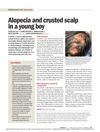
 Early treatment of scalp infections can prevent permanent hair loss.
January 2026 in “Health Science Reports” Personalized hair care can help manage hair-focused repetitive behaviors.