Gray hair affects hair's movement and appearance, making it less bouncy and more wavy.
 April 2018 in “Journal of Investigative Dermatology”
 Older hair follicle stem cells have a reduced ability to renew themselves, leading to more hair loss.
 1 citations
,
July 2010 in “Dermatologic Surgery”
1 citations
,
July 2010 in “Dermatologic Surgery” Splitting one hair follicle into two can help regrow hair with a 50% to 70% success rate, useful when donor hair is limited.
 5 citations
,
March 2009 in “Pediatric Dermatology”
5 citations
,
March 2009 in “Pediatric Dermatology” The study found that pili bifurcati causes hair to intermittently split into two branches, each with its own outer layer.
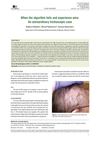 January 2026 in “Forum Dermatologicum”
 Thorough hair examination is crucial for accurate diagnosis and treatment.
 September 2023 in “Cutis”
 A baby girl has a hair disorder called monilethrix, causing fragile hair that may improve over time.
2 citations
,
September 1997 in “Archives of Dermatology”  January 2013 in “The Pan African medical journal”
 Monilethrix causes short, fragile hair with no specific treatment available.
 38 citations
,
June 2003 in “Journal of Investigative Dermatology Symposium Proceedings”
38 citations
,
June 2003 in “Journal of Investigative Dermatology Symposium Proceedings” Accurate clinical, histological, and genetic methods are key for understanding and treating hair disorders.
 August 2011 in “Clinical and Experimental Dermatology”
 About 30% of women feel they lose too much hair, often starting before age 40, and most can't find a reason for it.
31 citations
,
August 2000 in “Journal of Investigative Dermatology” Stem cells are key for hair follicle recovery.
2 citations
,
July 1994 in “Journal of Dermatological Science” Grafted human scalp samples on mice can produce human hair, useful for studying hair genetics.
 September 2017 in “Pediatric Dermatology”
 A 14-year-old boy was diagnosed with a rare hair condition that may lead to hair thinning and has no known effective treatments.
 December 2025 in “Russian Journal of Skin and Venereal Diseases”
 Hair follicles are thinner in alopecia patients, especially in alopecia areata.

Iron supplements may reverse premature graying in iron-deficient individuals; ingrown nails are common in diabetics with certain risk factors; topical finasteride may reduce scalp DHT as effectively as oral finasteride; monilethrix treatment is challenging but some medications can help.
19 citations
,
July 2004 in “Australasian Journal of Dermatology” Her hair grew back normally after she stopped rubbing it.
September 2016 in “Journal of dermatological science” The conclusion is that the variation in hair thinness in patients is mostly due to the amount of underdeveloped hairs, and treatments that thicken fine hairs might work for those with mild to severe conditions.

research Hair
May 1995 in “Dermatologic Surgery” Smaller hair grafts in transplants offer better cosmetic results and more styling options, but challenges like thinning and limited coverage remain.
 31 citations
,
April 2019 in “Journal of Cutaneous Pathology”
31 citations
,
April 2019 in “Journal of Cutaneous Pathology” Hair becomes gray and thin as we age, and while most hair loss in older people is due to genetics, there's a chance for gray hair to regain color under certain conditions.
 June 2021 in “International journal of research in dermatology”
 Shaving and avoiding brushing improved the patient's beard hair condition.
August 2013 in “International Wound Journal” Non-hairy skin cells might be used to regenerate hair, helping with baldness and skin wounds.
 35 citations
,
July 2018 in “Cell Reports”
35 citations
,
July 2018 in “Cell Reports” The study found that a specific area of the hair follicle helps start hair growth by reducing the blocking effects on certain cells and controlling growth signals.
 2 citations
,
August 2011 in “Dermatologic Surgery”
2 citations
,
August 2011 in “Dermatologic Surgery” Small micropunches for hair transplants can increase density but may cause more bleeding and longer healing.
 3 citations
,
December 2019 in “Biomedical dermatology”
3 citations
,
December 2019 in “Biomedical dermatology” Sonic hedgehog proteins may help grow hair.
 14 citations
,
December 2020 in “Journal of Investigative Dermatology”
14 citations
,
December 2020 in “Journal of Investigative Dermatology” Aging causes changes in the scalp that can affect hair growth and lead to older-looking hair in women.
 157 citations
,
April 1994 in “Clinical endocrinology”
157 citations
,
April 1994 in “Clinical endocrinology” Androgens can cause hair growth in some areas and hair loss on the scalp.
January 2023 in “Faculty of 1000 Research Ltd” Androgen loss may speed up hair greying.
July 2024 in “Journal of Investigative Dermatology” Wnt and SHH signals together influence hair follicle cell development, offering insights for hair loss treatment.
 4 citations
,
July 2014 in “Journal of Investigative Dermatology”
4 citations
,
July 2014 in “Journal of Investigative Dermatology” Old people have less hair because their hair follicles don't regenerate as well, not because of fewer stem cells, and a protein called follistatin might help reactivate hair growth.
 30 citations
,
April 2009 in “Dermatologic Surgery”
30 citations
,
April 2009 in “Dermatologic Surgery” TrichoScan helps identify subtle hair thinning in women with androgenetic alopecia.