 June 2026 in “Journal of health economics and outcomes research”
 Ritlecitinib is more effective and cheaper than baricitinib for treating severe alopecia areata.
2 citations
,
January 2014 in “Journal of Cytology & Histology” Rapamycin and anti-EGFR antibody reduce LAM/TSC cell migration and blood vessel growth in the uterus.
1 citations
,
September 2023 in “Journal of the American Academy of Dermatology” Continued ritlecitinib treatment can lead to hair regrowth in some patients with alopecia areata who initially don't respond.
November 2025 in “Journal of Investigative Dermatology”  4 citations
,
January 2012 in “Medical Hypotheses”
4 citations
,
January 2012 in “Medical Hypotheses” Finasteride may improve stem cell therapy for heart attacks by increasing cell survival.
 March 2022 in “Nepal Journal of Dermatology Venereology & Leprology”
 Methotrexate with steroids is slightly more effective than azathioprine with steroids for treating severe alopecia areata.
 February 2010 in “Journal of The American Academy of Dermatology”
 Methotrexate treatment for rheumatoid arthritis has a serious infection rate of about two per 100 patient-years.
14 citations
,
January 2016 in “Annals of dermatology/Annals of Dermatology” Oral cyclosporine is more effective and safer than betamethasone for treating alopecia areata.
April 2020 in “The FASEB journal” Poncirin is a promising inhibitor of Janus Kinase 3, potentially better than tofacitinib.
March 2009 in “European Urology Supplements” Baricitinib works better than methotrexate for severe alopecia areata.
 April 2026 in “Clinical Journal of Gastroenterology”
 Upadacitinib can cause hypersensitivity that worsens ulcerative colitis symptoms.
June 2020 in “Dermatologic therapy” Using Janus kinase inhibitors (JAKi) in COVID-19 treatment requires careful consideration due to their immunosuppressive effects.
 72 citations
,
November 2015 in “Multiple Sclerosis and Related Disorders”
72 citations
,
November 2015 in “Multiple Sclerosis and Related Disorders” Teriflunomide is safe and tolerable for treating relapsing-remitting multiple sclerosis, with manageable side effects.
 March 2026 in “Mendeley Data”
 Janus kinase inhibitors can help children with alopecia areata regrow hair but may have some risks.
November 2025 in “Zenodo (CERN European Organization for Nuclear Research)” November 2025 in “Zenodo (CERN European Organization for Nuclear Research)”  36 citations
,
June 2014 in “Experimental Neurology”
36 citations
,
June 2014 in “Experimental Neurology” Teriflunomide is an effective and generally safe oral treatment for relapsing MS, reducing relapses and slowing disability progression.
 February 2024 in “PloS one”
 Tofacitinib and adalimumab are promising treatments for cicatricial alopecia with few side effects.
1 citations
,
December 2025 in “Journal of the American Academy of Dermatology”  November 2022 in “Journal of the Endocrine Society”
 Immunotherapy for cancer caused a patient to develop a condition affecting hormone production, requiring ongoing hormone replacement therapy.
 March 2026 in “Mendeley Data”
 Janus kinase inhibitors help hair regrowth in kids with alopecia areata but need more safety research.
 November 2023 in “Circulation”
 Minoxidil can cause a rare but serious condition that leads to fluid buildup around the heart and drug-induced lupus.
21 citations
,
August 2002 in “British Journal of Ophthalmology” Intralesional cidofovir may be a viable alternative treatment for SCC.
8 citations
,
February 2006 in “Canadian Medical Association Journal” A woman with lupus and antiphospholipid syndrome had bone damage, showing the need for careful treatment.
 July 2025 in “SKIN The Journal of Cutaneous Medicine”
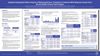
 Ritlecitinib is generally safe for alopecia areata patients over 72 months.
January 2026 in “Updates in clinical dermatology” January 2026 in “Clinics and Practice” Baricitinib helps alopecia areata and may improve psoriasis, but its effect on psoriatic arthritis is unclear.
 June 2023 in “British journal of dermatology/British journal of dermatology, Supplement”
 Patients with alopecia areata face challenges accessing Janus kinase inhibitors, but some see positive results.
April 2025 in “International Journal of Dermatology” JAK inhibitors effectively reduce alopecia areata symptoms in Black patients.