 September 2025 in “Journal of the European Academy of Dermatology and Venereology”
 Baricitinib effectively promotes hair regrowth and improves well-being in severe alopecia areata patients.
New cancer drugs can cause skin side effects like rashes, dry skin, hair changes, and nail problems.
 October 2004 in “Australian Prescriber”
 Lifestyle changes are more effective than medication for managing PCOS-related risks.
4 citations
,
August 2002 in “British Journal of Ophthalmology” Surgical excision is the best treatment for SCC.
23 citations
,
January 2016 in “Frontiers in immunology” Using low-dose IL-2 to increase regulatory T cells might be a safe way to treat type 1 diabetes without severe side effects.
63 citations
,
July 2018 in “The journal of investigative dermatology/Journal of investigative dermatology” JAK inhibitors can effectively reverse hair loss in people with alopecia areata.
2 citations
,
September 2023 in “Journal of the American Academy of Dermatology” Baricitinib is a safe and effective treatment for severe alopecia areata.
 December 2024 in “PubMed”
 Cyclosporine effectively treated a woman's stubborn skin condition.
4 citations
,
June 2023 in “Frontiers in immunology” JAK inhibitors help hair regrowth in alopecia areata but have a high risk of side effects.
 June 2026 in “Frontiers in Medicine”
 Spironolactone has the most side effects, including serious risks, while eplerenone and finerenone mainly affect the heart, kidneys, and metabolism.
January 2024 in “Pharmacoepidemiology” Patients with rheumatoid arthritis using tofacitinib had more serious side effects than those with alopecia areata.
2 citations
,
May 2016 in “Oxford University Press eBooks” Systemic lupus erythematosus is managed with lifestyle changes, symptomatic treatments, and careful use of medications to control symptoms and flares.
 12 citations
,
May 2020 in “Dermatology and therapy”
12 citations
,
May 2020 in “Dermatology and therapy” A young woman had a rare skin reaction to a medication for her joint disease, and a combination therapy improved her condition.
5 citations
,
April 2019 in “Journal of Investigative Dermatology” Oral JAK inhibitors improved alopecia areata by modulating immune responses and boosting hair growth.
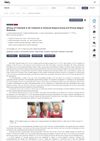
Tofacitinib may effectively treat hair loss and improve symptoms in autoimmune conditions like alopecia areata and Sjögren's syndrome, but long-term treatment might be necessary.
May 2025 in “Immunotherapy” Patients were very satisfied with hair regrowth after taking ritlecitinib for alopecia areata.
June 2025 in “British Journal of Dermatology” Tofacitinib was more effective than methotrexate for treating alopecia areata.
 1 citations
,
May 2025 in “The Journal of Rheumatology”
1 citations
,
May 2025 in “The Journal of Rheumatology” Anifrolumab helped some lupus patients reduce steroid use, but safety concerns remain.
 12 citations
,
November 2014 in “Journal of Cutaneous Medicine and Surgery”
12 citations
,
November 2014 in “Journal of Cutaneous Medicine and Surgery” Antiviral medication valganciclovir may improve skin and hair in Trichodysplasia Spinulosa patients.
 1 citations
,
May 2022 in “Frontiers in Pharmacology”
1 citations
,
May 2022 in “Frontiers in Pharmacology” Astilbin can potentially calm overactive immune responses, like in Type 1 Diabetes, by suppressing certain cell activities and reducing inflammation.
 March 2005 in “Journal of The American Academy of Dermatology”
 Mycophenolate mofetil improved skin condition in a man with nephrogenic fibrosing dermopathy.
21 citations
,
November 2018 in “Journal of the European Academy of Dermatology and Venereology” The combination of encorafenib and binimetinib caused few skin issues.
 79 citations
,
September 2018 in “Dermatologic therapy”
79 citations
,
September 2018 in “Dermatologic therapy” Oral tofacitinib can significantly improve recalcitrant lichen planopilaris.
 4 citations
,
June 2020 in “BMC Ophthalmology”
4 citations
,
June 2020 in “BMC Ophthalmology” Minoxidil can cause a rare eye condition, but it was successfully treated with oral Eplerenone in one case.
Baricitinib may effectively treat oral lichen planus.
November 2022 in “Journal of Investigative Dermatology” Statins may help treat alopecia areata by reducing harmful immune interactions.
10 citations
,
June 2016 in “PLOS ONE” Finasteride boosts immune cells that suppress T-cells, possibly helping with immune disorders but may increase cancer risk.
January 2007 in “Frontiers in Medicine” Tofacitinib works well for treating alopecia areata, especially when combined with corticosteroids, but is less effective if the disease has lasted over 2 years.
July 2023 in “SKIN The Journal of Cutaneous Medicine” Continued ritlecitinib treatment can improve hair regrowth in some alopecia areata patients who initially don't respond.
3 citations
,
October 2024 in “Cancers” Skin side effects from melanoma immunotherapy are common and may indicate better survival.