 17 citations
,
June 2016 in “Croatian Medical Journal”
17 citations
,
June 2016 in “Croatian Medical Journal” Patients with chronic graft-versus-host disease often have skin problems like vitiligo and alopecia areata.
 9 citations
,
August 2017 in “Photochemistry and Photobiology”
9 citations
,
August 2017 in “Photochemistry and Photobiology” Red light at 627 nm can safely trigger IL-4 release in skin cells, potentially helping treat inflammatory skin conditions.
 1 citations
,
January 2013 in “Journal of Investigative Dermatology”
1 citations
,
January 2013 in “Journal of Investigative Dermatology” The document concludes that stem cells and their environments are crucial for skin and hair health and have potential for medical treatments.
 1 citations
,
May 2001 in “Pharmacology & Toxicology”
1 citations
,
May 2001 in “Pharmacology & Toxicology” Cyproterone acetate may cause liver cancer at high doses, but is considered safe at recommended doses for approved uses.
 June 2025 in “IntechOpen eBooks”
 Exosomes may improve skin and hair treatments but need more research for safe use.
 October 2024 in “Stem Cell Research & Therapy”
 CGF therapy may effectively treat psoriasis by reducing inflammation.
 December 2021 in “International journal of minor fruits, medicinal and aromatic plants”
 The document concludes that in Sri Lanka, 25 common plants are traditionally used as home remedies for various health issues due to their medicinal properties.
 May 2015 in “Journal of Investigative Dermatology”
 Wnt-3a helps grow more skin stem cells, which could lead to new hair loss treatments.
169 citations
,
June 2013 in “Medicine” Understanding skin's structure and function is crucial for grasping skin health and diseases.
 5 citations
,
September 2010 in “Cancer Prevention Research”
5 citations
,
September 2010 in “Cancer Prevention Research” The research suggests new treatments for skin cancer could target specific cell growth pathways.
 1 citations
,
August 2000 in “Expert Opinion on Therapeutic Patents”
1 citations
,
August 2000 in “Expert Opinion on Therapeutic Patents” Boosting mitochondrial energy production with supplements like acetyl-L-carnitine may improve aging-related cellular function and health conditions.
15 citations
,
March 2018 in “Cancer Medicine” Alopecia areata patients have varied cancer risks, with some cancers being lower and others higher.
15 citations
,
October 2014 in “The journal of investigative dermatology/Journal of investigative dermatology” Erlotinib causes skin inflammation through IL-1, which can be reduced by anakinra.
26 citations
,
February 2015 in “Pediatric blood & cancer” Targeted anticancer therapies in children often cause skin side effects like rash and dry skin.
 10 citations
,
September 2021 in “International Journal of Nanomedicine”
10 citations
,
September 2021 in “International Journal of Nanomedicine” Tiny particles called extracellular vesicles show promise for treating skin conditions and promoting hair growth.
8 citations
,
September 2013 in “Molecular carcinogenesis” Rapamycin reduces skin cell growth and tumor development by affecting cell signaling in mice.
April 2024 in “International journal of molecular sciences” Light-based treatment, Photobiomodulation, shows promise for non-invasive skin therapy with few side effects.
 94 citations
,
January 2007 in “Cutaneous and Ocular Toxicology”
94 citations
,
January 2007 in “Cutaneous and Ocular Toxicology” Iranian veterans exposed to sulfur mustard suffer from long-term skin itching and eye damage, with some risk of skin cancer and ongoing management challenges.
 86 citations
,
June 2017 in “Anais Brasileiros de Dermatologia”
86 citations
,
June 2017 in “Anais Brasileiros de Dermatologia” Antioxidants can benefit skin health but should be used carefully to avoid negative effects.
 85 citations
,
September 2013 in “International Journal of Molecular Sciences”
85 citations
,
September 2013 in “International Journal of Molecular Sciences” Keratin 15 is not a reliable sole marker for identifying epidermal stem cells because it's found in various cell types.
 54 citations
,
September 2005 in “Australasian Journal of Dermatology”
54 citations
,
September 2005 in “Australasian Journal of Dermatology” Dermatologists are more accurate than general practitioners in diagnosing skin conditions, especially skin cancer.
 27 citations
,
April 2019 in “Journal of The American Academy of Dermatology”
27 citations
,
April 2019 in “Journal of The American Academy of Dermatology” Where melanoma is on the body affects survival chances; melanomas on the back of the head are worse, while those on thighs and arms are less severe, and more sun exposure might improve survival.
 20 citations
,
September 2016 in “Journal der Deutschen Dermatologischen Gesellschaft”
20 citations
,
September 2016 in “Journal der Deutschen Dermatologischen Gesellschaft” Germany recognizes skin cancer from UV exposure as an occupational disease, emphasizing prevention and care for affected workers.
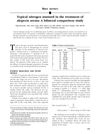 16 citations
,
August 2003 in “Journal of The American Academy of Dermatology”
16 citations
,
August 2003 in “Journal of The American Academy of Dermatology” Nitrogen mustard was not very effective for hair regrowth in alopecia areata and has potential skin cancer risk.
 14 citations
,
April 2022 in “Climacteric”
14 citations
,
April 2022 in “Climacteric” Menopause causes dry skin, wrinkles, and hair changes, with hormone therapy helping but not recommended just for these issues.
 8 citations
,
October 2023 in “JMIR dermatology”
8 citations
,
October 2023 in “JMIR dermatology” ChatGPT can be a helpful dermatology resource but should not replace professional consultations.
 8 citations
,
June 2014 in “PubMed”
8 citations
,
June 2014 in “PubMed” Men are more likely to have larger basal cell carcinomas and squamous cell carcinomas, while women have more superficial basal cell carcinomas and tumors on their legs and central face.
 5 citations
,
October 2018 in “American Journal of Clinical Dermatology”
5 citations
,
October 2018 in “American Journal of Clinical Dermatology” Skin problems are common after stem cell transplants, and early treatment by dermatologists can improve patient outcomes.
 4 citations
,
July 2019 in “Clinics in Dermatology”
4 citations
,
July 2019 in “Clinics in Dermatology” The document concludes that while white skin, nail, and mucosa diseases increase skin cancer risk, they are generally harmless, especially compared to darker pigmentation conditions.
 3 citations
,
January 2011 in “Clinics in Dermatology”
3 citations
,
January 2011 in “Clinics in Dermatology” The paper concludes that elderly in India face unique skin challenges and need better dermatological care and awareness.