67 citations
,
September 2001 in “American Journal Of Pathology” Inhibiting ODC can prevent UV-induced skin cancer.
 49 citations
,
August 2004 in “The FASEB Journal”
49 citations
,
August 2004 in “The FASEB Journal” Mice with human skin protein K8 had more skin problems and cancer.
30 citations
,
June 1993 in “The Journal of Cell Biology” The oncoprotein causes abnormal hair growth without increasing skin cancer risk.
 15 citations
,
July 2013 in “Cell Reports”
15 citations
,
July 2013 in “Cell Reports” Indian Hedgehog helps control skin cell growth and protects against aggressive skin cancer.
 4 citations
,
June 2013 in “The Journal of Rheumatology”
4 citations
,
June 2013 in “The Journal of Rheumatology” The document concludes that various findings in rheumatology offer insights into disease severity, treatment responses, and potential risks in medication, with some limitations due to unspecified participant numbers.
3 citations
,
March 2019 in “American Journal of Dermatopathology” Recognizing rare tumor combinations is crucial for accurate diagnosis and treatment.
 1 citations
,
September 2025 in “Journal of Zhejiang University SCIENCE B”
1 citations
,
September 2025 in “Journal of Zhejiang University SCIENCE B” Photodynamic therapy successfully treated skin cancer in a 53-year-old woman.
 1 citations
,
January 2016 in “Elsevier eBooks”
1 citations
,
January 2016 in “Elsevier eBooks” The document concludes that identifying the specific cells where skin cancers begin is important for creating better prevention, detection, and treatment methods.
1 citations
,
January 2007 in “Side effects of drugs annual” Dermatological treatments can have significant side effects, including allergic reactions, sexual dysfunction, and increased cancer risk.
September 2024 in “Journal of the American Academy of Dermatology” Most U.S. keratinocyte carcinoma patients are older white males living in urban areas.
 May 2023 in “Journal of the Dermatology Nurses' Association”
 The DNA convention was a valuable opportunity for learning and networking, especially after COVID-19.
53 citations
,
July 2009 in “Cancer Research” Blocking certain proteins can reduce skin inflammation caused by cancer treatment.
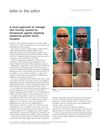 4 citations
,
March 2012 in “Annals of oncology”
4 citations
,
March 2012 in “Annals of oncology” New treatment with green tea polyphenols and nicotinamide improves skin problems from cancer therapy.
32 citations
,
December 2019 in “The Journal of clinical investigation/The journal of clinical investigation” A protein called IL-36γ causes skin side effects from certain cancer treatments when combined with a common skin bacteria.
22 citations
,
March 2017 in “Journal of the Formosan Medical Association” The guidelines help doctors manage skin problems from certain cancer treatments to improve patients' lives.
7 citations
,
September 2006 in “Molecular Carcinogenesis” Homozygous K5Cre transgenic mice have wavy hair and faster cancer progression.
6 citations
,
July 2023 in “International Journal of Women’s Dermatology” The pandemic increased concerns about skin aging, especially among women and young adults.
 June 2001 in “Proceedings of SPIE”
 Low energy laser therapy effectively treats certain skin conditions and improves recovery time without side effects.
54 citations
,
February 2002 in “Carcinogenesis” Increasing SSAT makes skin more prone to cancer.
22 citations
,
August 2020 in “Cells” TGM3 is important for skin and hair structure and may help diagnose cancer.
December 2025 in “Cosmetics” Nanocarriers can improve skin treatments after cancer therapy by enhancing antioxidant delivery and effectiveness.
 January 2025 in “BioMed Research International”
 Targeting DNA methylation can help treat skin disorders and cancers.
January 2009 in “Bradford Scholars (University of Bradford)” BMP signaling helps prevent skin tumors by blocking cancer-promoting pathways.
 July 2003 in “Journal of Cutaneous Medicine and Surgery”
 Some medications can improve skin conditions, while lifestyle factors like smoking and drinking may worsen them; treatments like monoclonal antibodies and imiquimod cream show promise for certain skin diseases.
 2 citations
,
June 2023 in “Journal of cell science”
2 citations
,
June 2023 in “Journal of cell science” Mutations in iRhom2 affect hair and skin in mice and are linked to esophageal cancer, with ADAM17 playing a crucial role.
 January 2021 in “Journal of Cancer Therapy”
 Tyrosine Kinase Inhibitors are effective against cancer but can cause skin, digestive, and blood side effects, including hair loss.
The balance between cell renewal and differentiation controls the growth of cancerous cells in mouse skin.
 April 2016 in “The journal of investigative dermatology/Journal of investigative dermatology”
 Applying the anti-cancer drug Bortezomib to skin can promote hair growth and increase hair proteins through the GATA-3 factor.
 85 citations
,
July 2012 in “Cold Spring Harbor perspectives in biology”
85 citations
,
July 2012 in “Cold Spring Harbor perspectives in biology” The skin protects the body and is constantly renewed by stem cells; disruptions can lead to cancer.
36 citations
,
May 2025 in “Antioxidants” Lipid peroxidation worsens skin diseases but may help treat cancer.