
Natural adsorbents in cosmetics can significantly reduce skin and hair pollution.
 March 2021 in “Research Society and Development”
 A blue Staffordshire Bull Terrier had hair loss due to color dilution alopecia, confirmed by tests, but no treatment was pursued.
 May 2019 in “Small Animal Dermatology”
 The dog has Color Dilution Alopecia, causing hair loss and increased risk of skin infections.
14 citations
,
September 1999 in “Mammalian genome” The scraggly mutation causes hair loss and skin defects in mice.
August 2004 in “Veterinary Dermatology” Cats with internal diseases can develop skin issues that may require specific treatments.
 44 citations
,
August 2008 in “Archives of Dermatology”
44 citations
,
August 2008 in “Archives of Dermatology” Trichoscopy is a non-invasive way to diagnose hair and scalp problems without needing hair samples.
6 citations
,
March 2010 in “Journal of plastic, reconstructive & aesthetic surgery” Laser treatment can fix skin color issues after syndactyly surgery.
3 citations
,
October 1996 in “International Journal of Dermatology” Melatonin can affect skin color, treat skin conditions, and may help with skin cancer.
June 2025 in “Albus Scientia” MC1R gene variations affect skin, hair color, UV sensitivity, and melanoma risk.
 January 2023 in “Pesquisa Veterinária Brasileira”
 A KRT71 mutation in Hereford cattle in Uruguay causes thin, curly hair and scaly skin.
64 citations
,
December 2003 in “Veterinary Dermatology” Triamcinolone is more effective and safer for treating feline pemphigus foliaceus than prednisone.
 60 citations
,
January 2004 in “The journal of investigative dermatology/Journal of investigative dermatology”
60 citations
,
January 2004 in “The journal of investigative dermatology/Journal of investigative dermatology” Applying a specific inhibitor lightens skin and hair color.
 January 1990 in “Springer eBooks”
 Some chemicals can permanently or temporarily remove color from skin and hair, which can be distressing and is not well-regulated in cosmetics.
 April 2023 in “Journal of Investigative Dermatology”
 People with Alopecia Areata are more likely to have certain health issues like ulcerative colitis and type 1 diabetes, but less likely to have others like hypertension and type 2 diabetes.
 240 citations
,
April 2011 in “Pigment Cell & Melanoma Research”
240 citations
,
April 2011 in “Pigment Cell & Melanoma Research” Melanocyte stem cells in hair follicles are key for hair color and could help treat greying and pigment disorders.
37 citations
,
October 2017 in “Advanced drug delivery reviews” The review suggests that there are various treatments to help restore skin color after severe burns.
 2 citations
,
May 2023 in “Photobiomodulation, photomedicine, and laser surgery”
2 citations
,
May 2023 in “Photobiomodulation, photomedicine, and laser surgery” Light therapy is effective and safe for treating skin color disorders like vitiligo and dark spots.
October 2019 in “European Journal of Dermatology” The boy's hair and skin color differences are due to a pigmentation disorder.
27 citations
,
May 2024 in “Clinical and Translational Medicine” Melanocyte stem cells are vital for skin and hair color and have potential in treating skin disorders and cancer.
26 citations
,
February 2022 in “Journal of pineal research” Melatonin affects skin and hair color and protects skin cells, with potential benefits for hair growth and skin health.
26 citations
,
December 2013 in “Seminars in cell & developmental biology” Skin varies in thickness, color, and features due to complex genetic and cellular processes.
 56 citations
,
June 1970 in “The BMJ”
56 citations
,
June 1970 in “The BMJ” Drug addicts often have scars, skin color changes, blocked veins, and bruising, with severe ulcers from barbiturate injections.
February 2025 in “Jurnal Kedokteran Brawijaya” Autologous skin cell transplantation speeds up healing and xenografts improve skin color in burn care.
 April 2016 in “The journal of investigative dermatology/Journal of investigative dermatology”
 BMP signaling controls hair growth and skin color.
77 citations
,
August 1986 in “Archives of Dermatology” Vitamin B12 deficiency can cause skin and hair color changes, which are reversible with treatment.
11 citations
,
August 1986 in “Archives of Dermatology” Vitamin B12 deficiency can cause skin and hair color changes, which can be reversed with treatment.

Tailored nonsurgical cosmetic procedures are crucial for safely treating diverse skin types, especially skin of color.

TBX3 gene affects horse coat color, with higher expression in darker areas.
 157 citations
,
December 2015 in “Journal of the American Academy of Dermatology”
157 citations
,
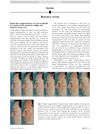
December 2015 in “Journal of the American Academy of Dermatology” A man with vitiligo and alopecia saw quick skin and hair improvement with ruxolitinib, but skin color gains were lost after stopping treatment.
 February 2025 in “The Open Dermatology Journal”
 Many COVID-19 survivors, especially women, experience hair loss and skin color changes, needing specific post-recovery care.