22 citations
,
September 2022 in “International Journal of Nanomedicine” CUR-loaded micelles improve skin delivery and effects of curcumin for pain and infections.
 2 citations
,
January 2018 in “Elsevier eBooks”
2 citations
,
January 2018 in “Elsevier eBooks” Lipid nanoparticles improve drug delivery through the skin, offering stability, controlled release, and better compatibility with skin.
 May 2024 in “Journal of biomaterials science. Polymer ed.”
 The three-layer microneedle system effectively delivers minoxidil into the skin, showing potential as a safe and efficient treatment for hair loss.
 September 2020 in “Farmacja Polska”
 Foams improve drug absorption and release in various medical applications.
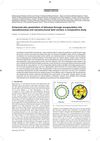 15 citations
,
May 2016 in “Die Pharmazie”
15 citations
,
May 2016 in “Die Pharmazie” Nanostructured lipid carriers deliver lidocaine to the skin better than nanoethosomes.
26 citations
,
July 2023 in “International Journal of Nanomedicine” The microneedle system shows promise for non-invasive brain drug delivery.
 12 citations
,
June 2022 in “FARMACIA”
12 citations
,
June 2022 in “FARMACIA” Transethosomal gels improve naftifine skin delivery better than Exoderil cream.

Plant-based compounds can improve wound dressings and skin medication delivery.
 94 citations
,
September 2014 in “Therapeutic Delivery”
94 citations
,
September 2014 in “Therapeutic Delivery” Nanoparticles can improve skin treatments by better targeting hair follicles, but more research is needed for advancement.
 58 citations
,
December 2012 in “Aaps Pharmscitech”
58 citations
,
December 2012 in “Aaps Pharmscitech” LCN may improve finasteride delivery for hair loss treatment.
January 2014 in “HAL (Le Centre pour la Communication Scientifique Directe)” Chitosan-decorated carriers may improve topical finasteride delivery for hair loss treatment.
 34 citations
,
October 2021 in “Scientific Reports”
34 citations
,
October 2021 in “Scientific Reports” Nobiletin-loaded vesicles effectively treat skin cancer by restoring normal miRNA and antioxidant levels.
January 2021 in “Social Science Research Network” The optimized microemulsion with finasteride and cinnamon oil can effectively deliver the drug through the skin without using ethanol.
October 2025 in “Bioactive Materials” Combining traditional Chinese medicine with microneedles shows promise for effectively treating skin diseases with fewer side effects.
 1 citations
,
August 2023 in “Advanced Drug Delivery Reviews”
1 citations
,
August 2023 in “Advanced Drug Delivery Reviews” Microneedles are promising for long-acting drug delivery and can improve patient compliance, but more data is needed to confirm their effectiveness.
222 citations
,
January 2003 in “Critical Reviews in Therapeutic Drug Carrier Systems” Ethosomes can safely and effectively deliver various drugs deep into the skin.
18 citations
,
July 2020 in “Journal of Drug Delivery Science and Technology” Excess sebum reduces the effectiveness of nanosystems for treating hair follicle conditions.
January 2000 in “Time to knit” Emulgels are promising for delivering drugs topically due to their easy spreadability and stability.
2 citations
,
May 2022 in “Advanced therapeutics” A new microneedle system effectively delivers a vasodilator to hair follicles, promoting hair growth better than current treatments.
 July 2020 in “CRS 2020 Virtual Annual Meeting”
 Researchers developed a new skin patch that delivers more finasteride into the skin, potentially improving treatment for hair loss and prostate issues.
May 2026 in “Drug Delivery” Bubble microneedles deliver drugs quickly and effectively through the skin and mouth.
March 2026 in “ACS Applied Materials & Interfaces” A new dissolving microneedle system effectively delivers minoxidil for hair regrowth with minimal side effects.
26 citations
,
December 2022 in “Molecules” Nanotechnology can improve treatments for skin discoloration.
8 citations
,
January 2018 in “Journal of Analytical Methods in Chemistry” A new method accurately measures a drug in skin for cancer therapy research.
1 citations
,
January 2024 in “Pharmaceuticals” A new carrier improves skin delivery of tofacitinib for treating inflammatory skin diseases.
40 citations
,
March 2019 in “Pharmaceutical development and technology” Smaller particles of the drug carrier penetrated skin better, with 300 nm size being best for targeting hair follicles.
1 citations
,
October 2025 in “Beni-Suef University Journal of Basic and Applied Sciences” Lipid-based nanocosmeceuticals improve skin therapy by enhancing ingredient delivery and effectiveness for anti-aging and skin disorders.
December 2023 in “Pharmaceutics” The new adhesive nanoparticles are effective for delivering Minoxidil to the scalp without skin irritation.
 7 citations
,
July 2018 in “International Journal of Applied Pharmaceutics”
7 citations
,
July 2018 in “International Journal of Applied Pharmaceutics” Chitosan nanoparticles are promising for sustained caffeine delivery through the skin.
2 citations
,
January 2014 Improved methods create smaller, more effective gelatin nanoparticles for skin delivery, and new caffeine nanocrystals enhance absorption and effectiveness.