24 citations
,
January 2023 in “Frontiers in Medicine” Moist Exposed Burn Ointment speeds up healing of diabetic wounds.
22 citations
,
July 2016 in “Cellular and Molecular Life Sciences” Genetic changes in mice help understand skin and hair disorders, aiding treatment development for acne and hair loss.
 13 citations
,
August 2020 in “Frontiers in Immunology”
13 citations
,
August 2020 in “Frontiers in Immunology” Gamma delta T cells in the skin help with healing and defense but can also cause autoimmune issues, and more research is needed to understand how they are activated.
 11 citations
,
January 2018 in “Royal Society Open Science”
11 citations
,
January 2018 in “Royal Society Open Science” Scientists found genes linked to the growth of high-quality brush hair in Chinese Haimen goats.
8 citations
,
March 2023 in “International Wound Journal” IGF2BP3 and other m6A-related genes are linked to keloid formation and could be potential treatment targets.
 7 citations
,
August 2022 in “Nature communications”
7 citations
,
August 2022 in “Nature communications” A specific group of slow-growing stem cells marked by Thy1 is crucial for skin maintenance and healing in mice.
6 citations
,
October 1989 in “PubMed” Optimized conditions and specific treatments enhance the growth of hair cells from C3H mice.
 4 citations
,
May 2021 in “The American Journal of Surgical Pathology”
4 citations
,
May 2021 in “The American Journal of Surgical Pathology” Cutaneous Lymphadenoma is a unique skin tumor with specific protein markers and common gene mutations that may cause continuous cell growth.
 3 citations
,
October 2021 in “PLoS ONE”
3 citations
,
October 2021 in “PLoS ONE” Piperonylic acid speeds up wound healing by reducing inflammation and boosting collagen.
 3 citations
,
August 2018 in “Deleted Journal”
3 citations
,
August 2018 in “Deleted Journal” Guasha changed rat skin appearance and blood vessels temporarily without affecting certain nerve proteins or fiber structure.
1 citations
,
December 2019 in “World rabbit science” High doses of cobalt stopped hair growth in rabbits.
 February 2026 in “Clinical Cosmetic and Investigational Dermatology”
 Low humidity changes skin gene expression, but emollients can help manage these changes.
 January 2025 in “Cosmetics”
 Exosomes could help treat skin and hair issues by improving healing and reducing stress.
 January 2025 in “Cellular and Molecular Biology”
 The PIP5K1A gene helps cashmere growth in goats by promoting cell proliferation, and melatonin boosts its expression.
July 2024 in “Journal of Investigative Dermatology” ATR12-351 ointment safely delivers LEKTI protein to the skin, reducing enzyme activity in Netherton syndrome.
 March 2024 in “GSC Advanced Research and Reviews”
 Different light affects cell functions and can help treat skin conditions.
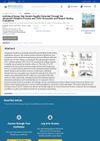 November 2023 in “ACS Applied Polymer Materials”
 The new method extracts keratin from hair faster and better, and the resulting product improves blood clotting and wound healing, with potential for personalized treatments.
 April 2023 in “The journal of investigative dermatology/Journal of investigative dermatology”
 p120-catenin helps control skin inflammation by regulating cadherin levels.
 January 2023 in “Research Square (Research Square)”
 IGF2BP3 gene is up-regulated in keloid patients, suggesting potential targets for treatment.
 November 2022 in “Journal of Investigative Dermatology”
 Low oxygen levels affect the behavior of certain proteins in human skin cells.
January 2022 in “SSRN Electronic Journal” Mouse hair follicles age, causing more white hairs due to fewer pigment stem cells.
Cornification is the process where living skin cells die to create a protective barrier, and problems with it can cause skin diseases.
 April 2018 in “Journal of Investigative Dermatology”
 The keratin network in mouse skin changes during cornification and affects the skin's protective barrier.
 August 2013 in “Nature Reviews Drug Discovery”
 New treatments for cancer and skin disorders show promise in disrupting harmful cell interactions and promoting hair growth.
 August 2013 in “Nature Reviews Drug Discovery”
 New cancer treatments show promise in reducing tumor growth and improving skin regeneration in mice.
January 2011 in “National Medical Frontiers of China” Elderly SLE patients show fewer typical symptoms and more hormonal side effects.
May 2018 in “The Journal of Immunology” A(1-7) treatment reduces symptoms of lupus in mice.
April 2017 in “The journal of investigative dermatology/Journal of investigative dermatology” A girl with excessive hair growth had a genetic change on chromosome 17 that reduced the activity of two genes linked to hair growth.
Mutations in keratin genes may link hair disorders to dental decay.
June 1998 in “Pathophysiology” Selenium is crucial for health, but both deficiency and excess can cause problems.