47 citations
,
November 2000 in “Archives of dermatology” Pulsed infrared laser can effectively reduce symptoms of pseudofolliculitis barbae.
30 citations
,
November 2015 in “Advanced Pharmaceutical Bulletin” Nanoethosomes can improve the skin penetration of Lidocaine for topical use.
19 citations
,
September 2007 in “The Journal of Steroid Biochemistry and Molecular Biology” Glucocorticoid receptors help regulate genes important for skin health and hair growth.
 15 citations
,
May 2016 in “Die Pharmazie”
15 citations
,
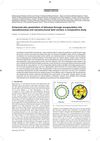
May 2016 in “Die Pharmazie” Nanostructured lipid carriers deliver lidocaine to the skin better than nanoethosomes.
4 citations
,
February 2015 in “PubMed” The emu oil emulsion with minoxidil was better at promoting hair growth than the commercial product.
January 2018 in “Refubium (Universitätsbibliothek der Freien Universität Berlin)” New nanocarriers were developed for safer, targeted drug delivery and diagnostics, showing promise for future medical use.
January 2023 in “Applied sciences” Equisetum debile extracts may help with skin whitening, anti-wrinkle, and anti-hair loss treatments.
 2 citations
,
November 2024 in “GSC Biological and Pharmaceutical Sciences”
2 citations
,
November 2024 in “GSC Biological and Pharmaceutical Sciences” Serums effectively improve skin and hair issues, boosting confidence when used correctly.

Sensory neuron and Merkel cell changes in the skin happen independently during normal skin maintenance.
105 citations
,
April 2017 in “International Journal of Nanomedicine” Ethosomes are effective for delivering drugs through the skin by penetrating deeply and targeting hair follicles.
88 citations
,
August 2014 in “PLOS genetics” Syndecan-1 is essential for maintaining skin fat and preventing cold stress.
81 citations
,
October 2023 in “Bioactive Materials” 3D-printed microneedles improve drug delivery and diagnostics but face scalability and regulatory challenges.
72 citations
,
November 2002 in “Journal of Investigative Dermatology” Estrogen receptor α controls hair growth cycles and skin thickness in male mice.
35 citations
,
August 2016 in “Experimental Dermatology” Fullerene C60 shows promise as a new treatment for various skin conditions.
 28 citations
,
March 2010 in “Histochemistry and cell biology”
28 citations
,
March 2010 in “Histochemistry and cell biology” Skin cells can help create early hair-like structures in lab cultures.
26 citations
,
December 2022 in “Molecules” Nanotechnology can improve treatments for skin discoloration.
24 citations
,
September 2014 in “PloS one” Thyroid hormone receptors are essential for hair growth and wound healing.
17 citations
,
November 2001 in “Journal of Investigative Dermatology Symposium Proceedings” Stat3 is essential for hair growth and wound healing.
6 citations
,
November 2022 in “Antioxidants” OR2AT4 helps reduce aging and cell damage in human skin cells.
 1 citations
,
September 2022 in “The journal of investigative dermatology/Journal of investigative dermatology”
1 citations
,
September 2022 in “The journal of investigative dermatology/Journal of investigative dermatology” MicroRNA-148a is crucial for maintaining healthy skin and hair growth by affecting stem cell functions.
1 citations
,
April 2022 in “Applied sciences” Bitter melon extract may help prevent hair loss and can be used in cosmetic products.
1 citations
,
September 2025 in “Molecules” The conventional extraction method with 50% ethanol was the most effective for antioxidant activity.
 1 citations
,
February 2004
1 citations
,
February 2004 Skin diseases are common and can significantly affect people's lives; better outcome measures and ethical clinical trials are needed to improve dermatology care.
1 citations
,
May 2003 in “The journal of investigative dermatology/Journal of investigative dermatology” A hormone affects hair growth, certain molecules may prevent skin damage, a skin disease is linked to immune cells, glycerol helps skin hydration, and psoriasis treatment trials need improvement.
January 2026 in “Zenodo (CERN European Organization for Nuclear Research)” Rice water benefits skin and hair by hydrating, promoting growth, and fighting dandruff.
January 2026 in “Zenodo (CERN European Organization for Nuclear Research)” Rice water benefits skin and hair by hydrating, promoting growth, and fighting dandruff.
 November 2024 in “Stem Cell Research & Therapy”
 Stem cells from umbilical cords can help regrow hair in mice with hair loss.
5 citations
,
January 2015 in “Case reports in medicine” A baby was diagnosed with IFAP syndrome due to a new genetic mutation, showing severe skin and developmental issues.
 July 2003 in “Journal of Cutaneous Medicine and Surgery”
 Various skin conditions can be treated effectively with different methods, such as discontinuing certain drugs, using specific vaccines, applying creams, and changing lifestyle habits like smoking and drinking.
11 citations
,
October 2022 in “Clinical Cosmetic and Investigational Dermatology” Personalized skincare can be improved by understanding genetic differences and using compounds like Resveratrol and Quercetin.