 April 2018 in “The journal of investigative dermatology/Journal of investigative dermatology”
 Li2CO3 improved skin disease in a mouse model of Focal Dermal Hypoplasia without toxicity.
2 citations
,
July 2024 in “International Journal of Molecular Sciences” Csdc2 helps hair growth in cashmere goats by regulating specific genes.
June 2003 in “Faculty Opinions – Post-Publication Peer Review of the Biomedical Literature” GLABRA2 represses root hair formation by inhibiting a specific gene.
January 2007 in “Journal of Southwest University” The ND1 gene of the Asian black bear Sichuan subspecies is similar to other bear species.
9 citations
,
August 2002 in “British journal of ophthalmology” The document reports a rare case of ECCL with a new association with optic disc colobomas.
28 citations
,
November 2018 in “American Journal of Medical Genetics Part A” ODC1 gene mutations cause a neurodevelopmental disorder with large head size, hair loss, and facial abnormalities.
 December 2025 in “Cureus”
 Early diagnosis and treatment of calcinosis cutis in lupus patients is crucial due to its rarity and potential complications.
 14 citations
,
January 2001 in “Current Treatment Options in Oncology”
14 citations
,
January 2001 in “Current Treatment Options in Oncology” Treat limited stage small cell lung cancer with chemotherapy and radiation, and consider preventive brain radiation for better survival chances.
2 citations
,
March 2024 in “Pediatric Dermatology” Two siblings have a rare hair condition caused by a new genetic variant.
28 citations
,
June 2021 in “Frontiers in immunology” A protein called lfTSLP is important in causing allergic and other skin diseases and could be a target for treatment.
January 2009 in “Xumu shouyi xuebao” Sheep cells were successfully modified to include a spider silk protein gene.
44 citations
,
June 2017 in “The EMBO Journal” LPA3 signaling in the uterus is crucial for placental formation and fetal development.
1 citations
,
May 2024 in “Pediatric Blood & Cancer” Trametinib can effectively treat severe kaposiform lymphangiomatosis when other treatments fail.
 April 2023 in “Journal of Investigative Dermatology”
 MPZL3 protein helps control the size of oil glands and the growth of oil-producing cells in both mice and humans.
 17 citations
,
December 2004 in “Bioorganic & Medicinal Chemistry Letters”
17 citations
,
December 2004 in “Bioorganic & Medicinal Chemistry Letters” Scientists found new, better-working inhibitors for a hormone-related enzyme.
11 citations
,
January 1997 in “Journal of Dermatological Science” A new protein linked to hair strength was identified, aiding in understanding brittle hair conditions.
 June 2018 in “Surgical Case Reports”
 S-1 treatment led to a complete response in pancreatic cancer with manageable side effects.
15 citations
,
August 1991 in “American Journal of Medical Genetics” A special diet can fix hair problems in argininosuccinase deficiency.
4 citations
,
December 2023 in “Medicine” Lower levels of MYLK and CALD1 in bladder cancer and osteosarcoma are linked to worse survival rates.
4 citations
,
December 2024 in “European Journal of Medicinal Chemistry” New pyrazole-based inhibitors show promise for treating metabolic diseases and other conditions.
April 2018 in “Journal of Investigative Dermatology” Ceramide synthase 4 is essential for maintaining skin barrier health.
 7 citations
,
June 2010 in “Journal of The American Academy of Dermatology”
7 citations
,
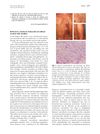
June 2010 in “Journal of The American Academy of Dermatology” Tranilast successfully treated a man's skin sarcoidosis when other treatments failed.
August 2025 in “BMC Pharmacology and Toxicology” The LTF gene may help predict and manage nonspecific orbital inflammation.
3 citations
,
April 2012 in “Cancer research” Mouse skin cancer progression involves a unique group of cells marked by ABCG2 and MTS24.
A specific gene change in APCDD1 increases the risk of hair loss.
45 citations
,
February 2011 in “IOP Conference Series Materials Science and Engineering” The sensor accurately measures thallium ions in solutions with high selectivity.
11 citations
,
February 2018 in “Oncotarget” Lower SMAD2/3 activation predicts more severe skin cancer.
1 citations
,
March 2021 in “Journal of Investigative Dermatology” Sirolimus can reduce tumor cell size in TSC-related skin tumors, but continuous treatment is needed to maintain benefits.
39 citations
,
December 2012 in “The American Journal of Human Genetics” Mutations in the SNRPE gene cause hereditary hair loss.
3D culture better preserves sweat gland cell identity than 2D culture.