 6 citations
,
September 2015 in “Journal of Investigative Dermatology”
6 citations
,
September 2015 in “Journal of Investigative Dermatology” Using special RNA to target a mutant gene fixed hair problems in mice.
 January 1997 in “Journal of The American Academy of Dermatology”
 The book is a detailed guide on hair replacement surgery and its practices.
 10 citations
,
May 2008 in “Dermatologic Surgery”
10 citations
,
May 2008 in “Dermatologic Surgery” Densely packed hair grafts can survive well using the lateral slit technique.
Hair transplants can effectively treat hair loss but may need multiple sessions for full results.
 153 citations
,
August 2002 in “Dermatologic Surgery”
153 citations
,
August 2002 in “Dermatologic Surgery” Follicular Unit Extraction (FUE) is a less invasive hair transplant method with minimal scarring, suitable for about 60% of patients, especially those needing fewer grafts and quicker recovery.
 5 citations
,
April 2005 in “Clinics in Plastic Surgery”
5 citations
,
April 2005 in “Clinics in Plastic Surgery” Micrografts and minigrafts for hair restoration provide high patient satisfaction and can cover large areas of hair loss, including sideburns, eyebrows, and beards.
 2 citations
,
June 1997 in “The American Journal of Cosmetic Surgery”
2 citations
,
June 1997 in “The American Journal of Cosmetic Surgery” Hair transplant megasessions are safe up to 1500 grafts but larger sessions have more risks and challenges.
 October 2020 in “Journal of Aesthetic Nursing”
 Platelet-rich plasma (PRP) injections effectively treat hair loss and thinning in both men and women, with high satisfaction and no major side effects.
 9 citations
,
December 1984 in “The Journal of Dermatologic Surgery and Oncology”
9 citations
,
December 1984 in “The Journal of Dermatologic Surgery and Oncology” Layered suture closure for hair transplant donor sites results in smaller scars and easier future harvesting but takes more time and may temporarily increase hair shedding.
 1 citations
,
June 2017 in “Actas Dermo-Sifiliográficas”
1 citations
,
June 2017 in “Actas Dermo-Sifiliográficas” Follicular Unit Extraction (FUE) is a hair transplant method with less scarring and discomfort but requires skilled surgeons and has limitations on graft numbers per session.
 3 citations
,
May 2011 in “International Journal of Dermatology”
3 citations
,
May 2011 in “International Journal of Dermatology” Using an epidural needle in hair restoration surgery can reduce grafts popping out, make the procedure easier, and result in natural-looking hairlines without obvious scarring.
 1 citations
,
July 1999 in “Plastic and Reconstructive Surgery”
1 citations
,
July 1999 in “Plastic and Reconstructive Surgery” The article discusses how to fix bad results from hair restoration surgery, with different doctors suggesting methods like adding more grafts, moving transplanted hair, or using smaller grafts.
 December 2023 in “Dermatologic Surgery”
 The skin-responsive device improved beard and body hair transplant success and increased surgeons' willingness to perform the procedure.
 35 citations
,
November 2020 in “Experimental Dermatology”
35 citations
,
November 2020 in “Experimental Dermatology” Different types of skin cells are organized in a special way in large wounds to help with healing and hair growth.
October 2022 in “Hair Transplantation” Improper hair transplant techniques can lead to unnatural results, but practical solutions exist to fix them.
January 1997 in “대한피부과학회지” Bundle hair grafting is an effective and safe treatment for hair loss, with excellent cosmetic results.
 October 2014 in “Aktuelle Dermatologie”
 Older men with scalp wounds had long-term healing problems after using imiquimod or diclofenac for skin cancer prevention.
 September 2017 in “Springer eBooks”
 FUE hair transplants have improved to give more natural results with less scarring and pain.
27 citations
,
July 1997 in “PubMed” The harlequin ichthyosis mouse mutation causes thick skin and early death, resembling a human skin disorder.
1 citations
,
January 2020 FUE is a preferred hair restoration method because it avoids large scars and offers less pain.
 April 2015 in “Reactions Weekly”
 Some elderly men had healing problems after using imiquimod and diclofenac for skin conditions on their scalps.
Scalp reconstruction uses different methods to restore hair and skin, depending on the defect size.
 22 citations
,
August 2010 in “Annals of Plastic Surgery”
22 citations
,
August 2010 in “Annals of Plastic Surgery” The study concluded that reconstructive surgery for burn alopecia should be tailored to the scar's size and quality, with different methods recommended for different cases.
7 citations
,
August 2023 in “Dermatologic Surgery” A new device improves hair transplant success for people of African descent by considering skin thickness and firmness.
 September 1994 in “The Journal of Dermatologic Surgery and Oncology”
 Dr. Dzubow concluded that careful attention to detail is crucial for the success of Mohs surgery in treating skin cancer.
 3 citations
,
January 2014 in “Plastic surgery (Oakville. Print)”
3 citations
,
January 2014 in “Plastic surgery (Oakville. Print)” Hair transplant surgery is a safe and effective way to treat hair loss from scarring in Chinese patients.
 1 citations
,
May 2015 in “Plastic and Reconstructive Surgery”
1 citations
,
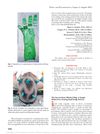
May 2015 in “Plastic and Reconstructive Surgery” The Sacred Heart Bilobed Flap is a surgical method for repairing small scalp defects with local flaps, relying on scalp elasticity and hair regrowth to hide any imperfections.
172 citations
,
December 1994 in “The Journal of Dermatologic Surgery and Oncology” This hair transplant method improves cosmetic results for hair loss.
 8 citations
,
February 2016 in “The American Journal of Dermatopathology”
8 citations
,
February 2016 in “The American Journal of Dermatopathology” Hair transplants can make hair follicles larger and hair shafts thicker.
 9 citations
,
January 2015 in “Current problems in dermatology”
9 citations
,
January 2015 in “Current problems in dermatology” New hair transplant method allows for hair regrowth in the donor area and less scarring.