112 citations
,
September 2021 in “BMC Biology” Key genes and factors crucial for hair follicle development and wool traits in Merino sheep were identified.
 98 citations
,
August 2007 in “PLoS ONE”
98 citations
,
August 2007 in “PLoS ONE” Myc changes chromatin in stem cells, causing them to leave their niche.
 82 citations
,
September 2018 in “Nature Communications”
82 citations
,
September 2018 in “Nature Communications” A certain smell receptor in hair follicles can affect hair growth when activated by a synthetic sandalwood scent.
 63 citations
,
November 2009 in “British journal of dermatology/British journal of dermatology, Supplement”
63 citations
,
November 2009 in “British journal of dermatology/British journal of dermatology, Supplement” Sub3 is essential for fungus adherence but not for skin invasion.
 53 citations
,
March 2014 in “Cold Spring Harbor Perspectives in Medicine”
53 citations
,
March 2014 in “Cold Spring Harbor Perspectives in Medicine” The document explains different types of hair loss, their causes, and treatments, and suggests future research areas.
31 citations
,
November 2015 in “PloS one” Reducing Tyrosinase prevents mature color pigment cells from forming in mouse hair.
 17 citations
,
July 2017 in “Molecular and Cellular Endocrinology”
17 citations
,
July 2017 in “Molecular and Cellular Endocrinology” Effective treatments for spinal and bulbar muscular atrophy are not yet available; more research is needed.
April 2026 in “ACS Applied Materials & Interfaces” Sper-12 nanoparticles may help treat hair loss by delivering siRNA to target androgen receptors.
 April 2026 in “Zenodo (CERN European Organization for Nuclear Research)”
 Gut bacteria imbalance may cause Post-Finasteride Syndrome symptoms.
 April 2026 in “Zenodo (CERN European Organization for Nuclear Research)”
 Gut bacteria imbalance may cause Post-Finasteride Syndrome symptoms.
 February 2026 in “Zenodo (CERN European Organization for Nuclear Research)”
 Gut bacteria overgrowth may cause some Post-Finasteride Syndrome symptoms.
 February 2026 in “Zenodo (CERN European Organization for Nuclear Research)”
 Gut bacteria overgrowth may cause some Post-Finasteride Syndrome symptoms.
 November 2023 in “The journal of investigative dermatology/Journal of investigative dermatology”
 Skin cells and certain hair follicle areas produce hemoglobin, which may help protect against oxidative stress like UV damage.
 October 2021 in “Journal of Investigative Dermatology”
 Skin cell strength decreases significantly as we age.
50 citations
,
July 1996 in “Cell” Chromosomal changes, including those in the WRN gene and rDNA, may significantly contribute to aging.
 February 2026 in “Frontiers in Pharmacology”
 Genetics can help tailor treatments for male pattern hair loss, improving outcomes like stabilization or modest regrowth.
18 citations
,
March 2015 in “Journal of Investigative Dermatology” Silencing certain circadian clock genes increases skin pigmentation.
17 citations
,
July 2018 in “Environmental and Experimental Botany” Silencing NtNCED3-2 gene in tobacco reduces drought tolerance and impairs growth.
July 2024 in “Journal of Investigative Dermatology” PH-762 shows promise in treating skin cancer by effectively targeting and silencing PD-1 in tumors with minimal side effects.
 1 citations
,
December 2024 in “Qeios”
1 citations
,
December 2024 in “Qeios” Hair loss affects attractiveness but can suggest intelligence, and face perception is complex, involving factors like age and smile.
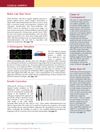 January 2016 in “Journal of Investigative Dermatology”
 Some cells may slow melanoma growth, a protein could affect skin pigmentation, a gene-silencing method might treat hair defects, skin bacteria changes likely result from eczema, and a defensin protein could help treat multiple sclerosis.
6 citations
,
January 2005 The "Opus-5" diode laser is effective for treating oral submucous fibrosis.
July 2024 in “Journal of Investigative Dermatology” INTASYL is a promising, adaptable RNAi technology for treating skin cancers.
January 2016 in “Munich Personal RePEc Archive (Ludwig Maximilian University of Munich)” A new method using gold nanoshells and infrared light effectively delivers siRNA to cancer and stem cells with precision and minimal damage.
 12 citations
,
August 2022 in “Stem cell reviews and reports”
12 citations
,
August 2022 in “Stem cell reviews and reports” Increasing PBX1 reduces aging and cell death in hair follicle stem cells by boosting SIRT1 and lowering PARP1 activity.
92 citations
,
September 2013 in “Journal of Investigative Dermatology” BMAL1 and Period1 genes can influence human hair growth.
82 citations
,
July 2012 in “Brain pathology” High LGR5 levels in glioblastoma indicate poor prognosis and are essential for cancer stem cell survival.
 81 citations
,
October 2014 in “The journal of investigative dermatology/Journal of investigative dermatology”
81 citations
,
October 2014 in “The journal of investigative dermatology/Journal of investigative dermatology” Certain genes control the color of human hair by affecting pigment production.
70 citations
,
September 2008 in “PubMed” MicroRNAs are important for skin development and diseases and could be used for treatment and diagnosis.
56 citations
,
January 2022 in “Burns & Trauma” WNT5A contributes to keloid scars by promoting cell changes through specific signaling pathways.