Search
for
Sort by
Research
720-750 / 1000+ resultsresearch 020 Sphingosine 1-phosphate receptor signalling promotes hair growth and inhibits perifollicular T-cell expansion and immune privilege collapse ex vivo
research Detection of mange-like skin lesions on snow leopard (Panthera uncia) and prey species in Kyrgyzstan
Mange-like skin lesions in snow leopards and prey in Kyrgyzstan raise concerns about disease spread.

research Olfactory receptor OR2AT4 regulates human hair growth
A certain smell receptor in hair follicles can affect hair growth when activated by a synthetic sandalwood scent.
research Novel causes of drug-induced occupational asthma
Four new substances—minoxidil, ferrimanitol ovalbumin, clarithromycin, and glucosamine-hydrochloride—can cause occupational asthma.

research Analysis of Patch Testing for Allergic Contact Dermatitis in Adults Versus Geriatrics: A 7-Year Retrospective Analysis of 342 Positive Patch Test Cases
Adults are more reactive to allergens than older adults, who are more sensitive to medication-related allergens.
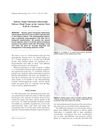
research Salivary Gland Choristoma (Heterotopic Salivary Gland Tissue) on the Anterior Chest Wall of a Newborn
A newborn girl had a rare case of salivary gland tissue on her chest, which was safely removed.
research Alopecia in Rhesus macaques correlates with immunophenotypic alterations in dermal inflammatory infiltrates consistent with hypersensitivity etiology
Hair loss in Rhesus macaques may be caused by a skin allergy-related condition.
research Primary Generalized Glucocorticoid Resistance or Chrousos Syndrome: Allostasis Through a Mutated Glucocorticoid Receptor
Chrousos Syndrome is caused by mutations that make the body less sensitive to glucocorticoids, leading to various symptoms and requiring high-dose treatment.
research The Rhino Mouse: Retinoid Effects on a Model of Keratin Accumulation
Retinoids can help reduce keratin buildup in skin conditions.
research LB1672 Senescent melanocytes in nevus skin stimulate hair growth
Senescent melanocytes in nevus skin boost hair growth.

research 498 Innate immunity activation of sebocyte cells by living bacteria. Evidence of a potential immunosuppressive effect of DHT
DHT may reduce inflammation caused by certain bacteria in skin cells.
research Efficacy and Potential Mechanisms of Naringin in Atopic Dermatitis
Naringin may help treat atopic dermatitis by reducing inflammation and improving the skin barrier.
research Epidermolysis Bullosa Simplex Caused by Distal Truncation of BPAG1-e: An Intermediate Generalized Phenotype with Prurigo Papules
A rare gene mutation causes skin fragility and itching without affecting hair or nails.
research Generation of Tβ4 knock-in Cashmere goat using CRISPR/Cas9
Researchers used CRISPR/Cas9 to create a goat with a gene that increased cashmere production by 74.5% without affecting quality.
research Central Diabetes Insipidus and Hypothalamic Type of Hypopituitarism Associated with Atypical Location of Rathke's Cleft Cyst
A Rathke's cleft cyst caused hormonal imbalances and symptoms in a 68-year-old woman.
research 발모벽 환자의 임상 병리조직학적 관찰 및 동물 실험적 연구
Trichotillomania is more common in young females and often linked to stress and psychiatric conditions, with hair loss and increased catagen hair observed.

research Insights learned from L457(3.43)R, an activating mutant of the human lutropin receptor
The L457(3.43)R mutation in the human lutropin receptor causes increased activity and hormone insensitivity, leading to precocious puberty.
research Molecular Basis of Maintaining Circannual Rhythm in the Skin of Cashmere Goat
Goat skin adapts to seasonal changes through genes that respond to daylight length, affecting hormone levels and potentially making skin cells light-sensitive.
research An Animal Model of Trichloroethylene-Induced Skin Sensitization in BALB/c Mice
Trichloroethylene causes skin inflammation in mice by increasing certain immune proteins.

research Reversible Vision Loss With Pituitary Microadenoma Following PRP Injection for Hair Growth: A Rare Case Report and a Mini‐Review of the Literature
PRP injection for hair growth can cause reversible vision loss due to inflammatory optic neuropathy.
research The Use of Neurotoxins in the Male Face
Men need higher doses of botox than women and a different approach for facial aesthetics due to their unique facial features and muscle mass.
research Effects of Potassium Channel Modulators on the Responses of Mammalian Slowly Adapting Mechanoreceptors
Potassium channel modulators mostly increase the activity of rat whisker mechanoreceptors.
research How the Innate Lymphoid Cells Improved Our Understanding of the Mechanisms of Allergic Diseases and Influenced the Standpoint?
Innate lymphoid cells help us understand and manage allergic diseases better.
research Optic Neuropathy in a Child with Alopecia
A 4-year-old boy's vision and hair loss were likely caused by inflammation.
research Expression of μ-Opiate Receptor in Human Epidermis and Keratinocytes
μ-opiate receptors in skin cells may affect skin health and healing.
research Glibenclamide reverses cromakalim-induced anti-ischemic effect in conscious rabbits

research Acneiform eruptions caused by an epidermal growth factor receptor-tyrosine kinase inhibitor ZD 1839
ZD1839, a cancer drug, can cause mild skin rashes that are treatable without stopping the medication.
research Epidermal Nevi
Epidermal nevi are skin cell clusters linked to various syndromes.
research Unraveling the Comedone Switch through Single-Cell Resolution of Human Acne Lesions
Acne starts with a cell change in skin, leading to inflammation and blocked pores.