 31 citations
,
January 2011 in “Dermato-endocrinology”
31 citations
,
January 2011 in “Dermato-endocrinology” Melatonin protects skin against UV damage by regulating various cellular processes.
 1 citations
,
June 2019 in “Food Research”
1 citations
,
June 2019 in “Food Research” Tempeh oil rich in linoleic acid may protect against skin aging caused by UV light.
 April 2016 in “Proceedings of SPIE”
 UV-induced autofluorescence is effective for identifying different types of alopecia.
 June 2025 in “Veterinární Medicína”
 Uveodermatological syndrome in dogs is hard to manage and can lead to blindness despite treatment.
 August 2017 in “Journal of epidemiological research”
 Cancer rates are increasing in developed countries, with estrogen, aging, low vitamin D3, and HPV infection as common causes.
Different types of sun exposure damage skin cells and immune cells, with chronic exposure leading to more severe and lasting damage.
 April 2023 in “Journal of Investigative Dermatology”
 Sunlight simulation causes skin inflammation, with different skin types reacting at different levels of exposure.
3 citations
,
January 2010  62 citations
,
January 2003 in “Dermatology”
62 citations
,
January 2003 in “Dermatology” Sunlight worsens hair loss; protect scalp.
 19 citations
,
January 2015 in “Current problems in dermatology”
19 citations
,
January 2015 in “Current problems in dermatology” Ultraviolet rays damage hair, smoking may cause hair loss, and good nutrition is important for hair health, but genetics mainly decide hair thickness.
 June 2015 in “Biomedical and biopharmaceutical research”
 The congress showed advancements in skin hydration, barrier function, and safe, effective new cosmetic formulations.
 6 citations
,
August 1993 in “Archives of Dermatology”
6 citations
,
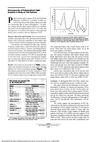
August 1993 in “Archives of Dermatology” The study found that polymorphous light eruption varies among patients and can be distinguished from benign summer light eruption by the time it takes for symptoms to appear after sun exposure.

Wild African goats have genetic adaptations for surviving harsh desert conditions.
 12 citations
,
January 2007 in “Current problems in dermatology”
12 citations
,
January 2007 in “Current problems in dermatology” Environmental and cosmetic factors, including heat, chemicals, and sun exposure, can cause hair loss and damage.
 127 citations
,
January 2015 in “Journal of Biological Rhythms”
127 citations
,
January 2015 in “Journal of Biological Rhythms” The skin's internal clock affects healing, cancer risk, aging, immunity, and hair growth, and disruptions can harm skin health.
45 citations
,
September 2012 in “The Journal of Steroid Biochemistry and Molecular Biology” Vitamin D3 and its receptor help protect skin from UVB-related cancer.
31 citations
,
January 2014 in “The Scientific World JOURNAL” Eclipta prostrata extract protects skin cells from UVB damage and has strong antioxidant properties.
 27 citations
,
June 2015 in “Journal of photochemistry and photobiology. B, Biology”
27 citations
,
June 2015 in “Journal of photochemistry and photobiology. B, Biology” The new lab-grown skin model is good for testing sunscreen's protection against DNA damage from UV light.
 20 citations
,
September 2016 in “Journal der Deutschen Dermatologischen Gesellschaft”
20 citations
,
September 2016 in “Journal der Deutschen Dermatologischen Gesellschaft” Germany recognizes skin cancer from UV exposure as an occupational disease, emphasizing prevention and care for affected workers.
 9 citations
,
May 2013 in “JAMA Dermatology”
9 citations
,
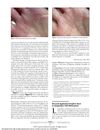
May 2013 in “JAMA Dermatology” Sunlight exposure improved a patient's skin condition, and there may be a link between a certain disease and skin growths; a leukemia treatment caused changes in hair color and growth.
1 citations
,
December 2023 in “Frontiers in Behavioral Neuroscience” UVB exposure increases appetite by activating p53 in skin cells.
 March 2026 in “BioScience Trends”
 UV radiation causes skin aging by damaging cells and triggering harmful processes.
 February 2026 in “International Journal of Molecular Sciences”
 Brazilian pepper tree leaf extract effectively protects skin cells from UVC damage and is a strong natural skincare option.
Ruxolitinib cream shows promise for vitiligo, and early melanoma diagnosis is crucial.
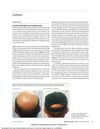 April 2016 in “JAMA Dermatology”
 Baseball caps don't fully protect bald spots on the back of the head from sun damage; wear wide-brimmed hats or use sunscreen.
 October 2007 in “Journal of Investigative Dermatology”
 The meeting highlighted the genetic basis of female pattern hair loss and various skin health insights.
 2 citations
,
January 2014 in “The Korea Journal of Herbology”
2 citations
,
January 2014 in “The Korea Journal of Herbology” Polygoni Multiflori Radix may help reduce skin aging by lowering collagenase and elastase activity.
 April 2024 in “Lasers in medical science”
 Near-infrared LED light improves skin rejuvenation and hair growth better than white LED light.
 September 2024 in “Journal of Cosmetic Dermatology”
 Quercetin-loaded nanoparticles protect human hair from UV-B damage.
 77 citations
,
December 2010 in “The journal of investigative dermatology/Journal of investigative dermatology”
77 citations
,
December 2010 in “The journal of investigative dermatology/Journal of investigative dermatology” Human skin cells produce proenkephalin, which changes with environmental factors and skin diseases.