Search
for
Sort by
Research
210-240 / 1000+ results
research PRP versus intralesional triamcinolone for alopecia areata comparative study
PRP is more effective than triamcinolone for treating alopecia areata.
research Olanzapine counteracts stress-induced anxiety-like behavior in rats
Olanzapine reduces stress-related anxiety in rats when given acutely.
research 260 Anti-OX40 monoclonal antibody IMG-007 exhibited clinical activity of hair regrowth, suppressed scalp inflammatory biomarkers in patients with severe alopecia areata in a Ph1b/2a study
IMG-007 helps regrow hair and reduce scalp inflammation in severe alopecia areata.
research Trichostasis spinulosa: An overlooked entity
Trichostasis spinulosa is a common but often unnoticed skin condition involving bundled vellus hairs, especially in people with darker skin or UV exposure.
research Personalized Compounded Hair Loss Treatments: A Compatibility Assessment of the TrichoConcept™ Vehicle Line.
The TrichoConcept™ line is effective for personalized hair loss treatments.
research An Open Randomized Comparative Study of an Oral Contraceptive Containing Ethinyl Estradiol and Cyproterone Acetate with and without the GnRH Analogue Goserelin in the Long-Term Treatment of Hirsutism
The oral contraceptive alone is the preferred treatment for hirsutism, as adding the GnRH analog showed no significant benefit.
research Effects of oxytocin receptor agonists on hair growth promotion
OXTR agonists may promote hair growth and be effective for treating hair loss.
research The efficacy of oral isotretinoin versus cyproterone compound in female patients with acne and the triad of cutaneous hyperandrogenism: A randomized clinical trial
Oral isotretinoin and cyproterone compound are equally effective for treating acne in women with cutaneous hyperandrogenism.
research Cutaneous distribution of orally administered itraconazole in guinea pigs, studied by autoradiography
Oral itraconazole effectively reaches and treats deep skin layers in guinea pigs.
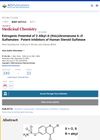
research Estrogenic Potential of 2-Alkyl-4-(thio)chromenone 6-O-Sulfamates: Potent Inhibitors of Human Steroid Sulfatase
A substance called Compound 2g can strongly block STS (a hormone-related enzyme) without affecting estrogen levels, making it potentially good for treating breast cancer.
research Control of androgen receptor expression in human keratinocytes and in a reconstituted human epidermis model with selective antisense oligonucleotides
Antisense oligonucleotides can reduce androgen receptor levels in skin cells, suggesting potential for treating skin disorders.
research Comparison of Intra-lesional Methotrexate and Intra-lesional Triamcinolone Acteonid in the treatment of Localized Alopecia Areata
Both treatments for localized alopecia areata are equally effective.
research Ethinylestradiol/salicylic acid/swertia japonica/tocopherol acetate
Two women had skin reactions from a hair loss treatment and got better after stopping use.
research Polymeric micelle mediated follicular delivery of spironolactone: Targeting the mineralocorticoid receptor to prevent glucocorticoid-induced activation and delayed cutaneous wound healing
Using polymeric micelles to deliver spironolactone topically could improve wound healing in skin affected by glucocorticoids.
research Oral isotretinoin combined with topical clobetasol 0.05% and tacrolimus 0.1% for the treatment of frontal fibrosing alopecia: a randomized controlled trial
Taking oral isotretinoin with creams worked better for treating a type of hair loss than creams alone.
research BH06 (P075) A randomized controlled trial comparing the efficacy and safety of oral tofacitinib vs. methotrexate in moderate-to-severe alopecia areata
Tofacitinib is more effective than methotrexate for treating moderate-to-severe alopecia areata.
research Intralesional Injection of Triamcinolone Acetonide, Methotrexate and Vitamin D in Treatment of Alopecia Areata: A Narrative Review
Methotrexate and vitamin D3 are potentially more effective and safer than triamcinolone for treating localized alopecia areata.
research 15809 Spironolactone use does not increase the risk of estrogen-dependent cancer recurrence: A retrospective analysis
Taking vitamin C and vitamin E twice a day can help prevent sunburn and DNA damage from UVB exposure.
research A Soy-Derived Immunostimulating Peptide Inhibits Etoposide-Induced Alopecia in Neonatal Rats
Soymetide-4 from soy can prevent hair loss caused by a cancer drug in rats.
research Molecular interactions of natural and synthetic steroids in female hamsters’ flank organs
Testosterone, progesterone, and levonorgestrel change enzyme levels related to fat production in hamster skin, which could affect skin oil and acne.
research Therapeutic Evaluation of Spironolactone and Finasteride in the Treatment of Acne Vulgaris
research Acitretin-Altered Squamous Cell Carcinoma
research Chemotherapy of psoriasis and other skin disorders with oral retinoids
Oral retinoids are effective for treating severe skin disorders but have reversible side effects and risks for pregnant women.
research Intralesional Triamcinolone Acetonide in the Treatment of Traction Alopecia
Intralesional triamcinolone acetonide is effective and safe for treating early to mid-stage traction alopecia.
research Antiepileptogenic effects of trilostane in the kainic acid model of temporal lobe epilepsy
Trilostane may help delay epilepsy development by increasing certain brain chemicals.
research Cutaneous Syndromes Produced as Side Effects of Triparanol Therapy
Triparanol therapy can cause hair loss and skin dryness without inflammation or damage to hair follicles or skin structures.
research A Retrospective Comparative Study of Two Concentrations of Intralesional Triamcinolone Acetonide in the Treatment of Patchy Alopecia Areata on the Scalp
Both concentrations of triamcinolone acetonide are effective for hair regrowth in patchy alopecia areata, but 5 mg/mL is recommended to reduce side effects.

research Treatment of Alopecia Totalis
Higher doses of prednisone and triamcinolone acetonide successfully treated 8 out of 10 alopecia totalis patients.
research Alisertib is active as single agent in recurrent atypical teratoid rhabdoid tumors in 4 children
Alisertib was found to be an effective and tolerable treatment for children with recurrent brain tumors.