December 1977 in “Archives of Dermatology” Hair regrowth in alopecia areata is common, but recurrences happen frequently.
September 2024 in “Revista Brasileira de Cirurgia Plástica” The modified forehead lift technique is effective and safe for alopecia patients, with good aesthetic results.
10 citations
,
May 2017 in “Clinical and experimental dermatology”  January 2016 in “Journal of clinical & experimental dermatology research”
 New methods can diagnose hair loss by examining the scalp and can treat it with a mix of oral and topical medications, along with cosmetic procedures like hair transplants.
 December 2021 in “Journal of clinical images and medical case reports”
 Moth-eaten alopecia is linked to various skin diseases and requires early treatment to prevent worsening.
2 citations
,
July 1993 in “JAMA” Hair loss can be a sign of syphilis, and self-diagnosing based on ads can be risky.
 11 citations
,
January 2010 in “Indian Journal of Dermatology, Venereology and Leprology”
11 citations
,
January 2010 in “Indian Journal of Dermatology, Venereology and Leprology” Hair transplant and applying 5% minoxidil solution can effectively treat permanent hair loss, but it may change hair direction in some cases.
 January 2012 in “Postgraduate obstetrics & gynecology”
 Up to half of women by age 50 experience significant hair loss, with various types and treatments available.
 January 2023 in “Skin appendage disorders”
 Hair restoration surgery can change the appearance of hair when examined with a special magnifying tool.
Hair restoration surgeries are increasingly popular and effective for improving self-esteem and social interactions.
A 2-year-old boy with a rare type of lupus causing hair loss improved with oral steroids.

Alopecia areata often starts around age 23, can be permanent in 30% of cases, and treatments are usually temporary.
 August 2023 in “Journal of The American Academy of Dermatology”
 Finasteride made hair thicker on the back of the head in men with hair loss.
June 2023 in “Zenodo (CERN European Organization for Nuclear Research)” 14 citations
,
August 2019 in “Dermatologic Therapy” 24 citations
,
July 2014 in “British Journal of Anaesthesia” Long surgeries can cause temporary hair loss due to pressure on the scalp.
 June 2023 in “JAAD Case Reports”
 A man had a rare skin cancer that looked like a bald spot.
 10 citations
,
August 2011 in “Clinics”
10 citations
,
August 2011 in “Clinics” The author clarified that Alopecia Areata Incognita (AAI) and diffuse Alopecia Areata (AA) are different conditions and the case discussed was actually AA, not AAI.
 4 citations
,
May 2015 in “Indian Journal of Dermatology, Venereology and Leprology”
4 citations
,
May 2015 in “Indian Journal of Dermatology, Venereology and Leprology” Congenital triangular alopecia can occur outside the typical fronto-temporal region.
September 2021 in “CRC Press eBooks” Androgenetic alopecia is a common hair thinning condition linked to genetics and hormones.
 13 citations
,
December 2001 in “Dermatologic therapy”
13 citations
,
December 2001 in “Dermatologic therapy” Alopecia areata causes varying hair loss patterns, affecting hair, nails, and possibly glands, with treatment outcomes depending on disease duration and extent.
 June 2023 in “International journal of pharmaceutical quality assurance”
 Videodermoscopy is effective for diagnosing different types of non-scarring hair loss.
 2 citations
,
March 2009 in “Hair transplant forum international”
2 citations
,
March 2009 in “Hair transplant forum international” Hair loss at the site where hair was taken for a transplant can be due to the normal hair growth cycle.
 28 citations
,
October 1978 in “Archives of dermatology”
28 citations
,
October 1978 in “Archives of dermatology” Corticosteroids may effectively regrow hair in Alopecia Totalis with manageable side effects.
 5 citations
,
March 2005 in “Journal of The American Academy of Dermatology” August 1993 in “Journal of dermatological science”
5 citations
,
March 2005 in “Journal of The American Academy of Dermatology” August 1993 in “Journal of dermatological science” 
Early and accurate identification of primary scarring alopecias is crucial to prevent permanent hair loss.

Preventive measures during surgery can avoid hair loss complications.
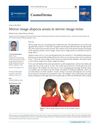
Mirror-image twins can have alopecia areata on opposite sides of their heads.