 13 citations
,
January 2020 in “Scientific Reports”
13 citations
,
January 2020 in “Scientific Reports” The African spiny mouse heals skin without scarring due to different protein activity compared to the common house mouse, which heals with scarring.
February 2026 in “Journal of Surfactants and Detergents” Potassium monoester maleates can effectively repair damaged hair and improve haircare products.
30 citations
,
November 2005 in “The journal of investigative dermatology. Symposium proceedings/The Journal of investigative dermatology symposium proceedings” The lipid in human hair follicles acts as a barrier, similar to the skin's lipid layer.
 January 2026 in “The Eurasian Journal of Life Sciences”
 Pectin nanofibers show promise for medical use due to their unique properties.
7 citations
,
January 1988 3 citations
,
January 1994  4 citations
,
January 2015 in “Sen'i Gakkaishi”
4 citations
,
January 2015 in “Sen'i Gakkaishi” Hair and wool strength is affected by the number and type of bonds in their protein structures, with hair having more protein aggregates than wool.
April 2017 in “Journal of dermatological science” Removing PLCg1 from skin cells caused thicker oil glands and less hair in mice.
13 citations
,
August 2005 in “Journal of Investigative Dermatology Symposium Proceedings” Mutations in the DSG4 gene cause fragile, sparse hair in humans, mice, and rats.
December 2021 in “Figshare” BBS7 is essential for healthy gums and teeth by supporting cell function and blood flow.
 1 citations
,
February 2009 in “Journal of Investigative Dermatology”
1 citations
,
February 2009 in “Journal of Investigative Dermatology” Lipase H is important for hair follicle function and shaping hair fibers.
August 2009 in “Mechanisms of Development” 2 citations
,
July 2025 in “Biopolymers” Eggshells can be used to sustainably and cheaply produce important compounds like glycosaminoglycans.
 6 citations
,
July 2009 in “Biomolecules & therapeutics”
6 citations
,
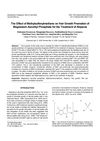
July 2009 in “Biomolecules & therapeutics” Combining MSM with MAP significantly promotes hair growth.
60 citations
,
October 2020 in “Nature Communications” AP-1 and TGFß work together to drive resistance in basal cell carcinoma, suggesting new treatment options.
 January 2025 in “Cellular and Molecular Biology”
 The PIP5K1A gene helps cashmere growth in goats by promoting cell proliferation, and melatonin boosts its expression.
3 citations
,
January 2016 NuMA-microtubule interactions are crucial for proper skin structure and hair growth.
 July 2026 in “Pharmaceuticals”
 Marine-derived polysaccharide nanofibers could improve wound healing but face challenges in becoming widely used.
 July 2025 in “ACS Applied Materials & Interfaces”
 Ultrasound-activated gel with stem cell vesicles improves skin healing and regeneration.
67 citations
,
February 1994 in “Developmental dynamics” Specific proteins and molecules play key roles in the development of human hair follicles.
April 2023 in “Journal of clinical and translational science”  3 citations
,
July 2025 in “International Journal of Biological Sciences”
3 citations
,
July 2025 in “International Journal of Biological Sciences” m6A methylation is crucial for proper wound healing and tissue repair.
 41 citations
,
July 2020 in “Colloids and surfaces. B, Biointerfaces”
41 citations
,
July 2020 in “Colloids and surfaces. B, Biointerfaces” Different hair protein amounts change the strength of keratin/chitosan gels, useful for making predictable tissue engineering materials.
 22 citations
,
January 2008 in “Physiological Research”
22 citations
,
January 2008 in “Physiological Research” Steroid sulfatase is important for activating hormones that affect memory, brain function, and certain diseases, and could be a target for treating hormone-related disorders.
 August 2024 in “Life Science Alliance”
 Helminth protein helps wounds heal better by reducing scarring and promoting tissue growth.
1 citations
,
September 2004 in “Experimental Dermatology” MC-1R is present in skin cells and may help reduce inflammation.
8 citations
,
October 2021 in “Experimental cell research” Engineered vesicles from macrophages help hair growth in mice and humans.
11 citations
,
January 2020 in “Engineered science”  21 citations
,
October 2011 in “PloS one”
21 citations
,
October 2011 in “PloS one” Certain molecules in hair change with age and could be used for cosmetic treatments.
 451 citations
,
March 2005 in “Endocrine Reviews”
451 citations
,
March 2005 in “Endocrine Reviews” The enzyme steroid sulfatase is linked to breast cancer and other conditions, and inhibitors are being developed for treatment.