 3 citations
,
August 2021 in “Research Square (Research Square)”
3 citations
,
August 2021 in “Research Square (Research Square)” The most common sign of aging at the gene level is more Ectodysplasin A2 Receptor (EDA2R) being made.
 April 2016 in “Journal of Investigative Dermatology”
 SOX4 is crucial for the development of melanoma.
 July 2023 in “British journal of dermatology/British journal of dermatology, Supplement”
 HPV8 E6 gene causes growth of certain skin stem cells.
 24 citations
,
May 2019 in “PLOS genetics”
24 citations
,
May 2019 in “PLOS genetics” Mutations in the HEPHL1 gene cause abnormal hair and cognitive issues.
29 citations
,
December 2004 in “Developmental biology” cDermo-1 causes dense skin, feathers, and scales in chickens.

Understanding genetics is crucial for treating heart and skin diseases.
 3 citations
,
March 2014 in “Journal of Industrial Microbiology & Biotechnology”
3 citations
,
March 2014 in “Journal of Industrial Microbiology & Biotechnology” Scientists found a new gene in a bacterium that can modify an immunosuppressant drug, potentially helping to treat hair loss.
 4 citations
,
October 2021 in “Scientific Reports”
4 citations
,
October 2021 in “Scientific Reports” NKIRAS2 can suppress certain skin tumors but its effect on cancer varies with context and expression level.
64 citations
,
February 2008 in “Cancer Research” Inactivating both p53 and Rb genes in mice speeds up aggressive skin cancer development.
January 2002 in “映像情報メディア学会技術報告” Some prostate cancers have gene changes that may affect treatment with certain drugs.
 17 citations
,
June 2017 in “Gene”
17 citations
,
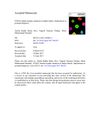
June 2017 in “Gene” A rare genetic mutation found in an Indian family can be detected through prenatal screening.
 April 2016 in “The journal of investigative dermatology/Journal of investigative dermatology”
 BMP signaling controls hair growth and skin color.
 March 2011 in “European Urology Supplements”
 Gene variation affects prostate issues and hair loss.
11 citations
,
November 2019 in “The FASEB Journal” A mutation in the MAP2 gene causes reduced hair follicle density, leading to hairlessness.
2 citations
,
August 2022 in “Animals” Different versions of the KRTAP6-2 gene in goats can lead to thinner cashmere fibers.
 1 citations
,
November 2024 in “Diabetes Metabolic Syndrome and Obesity”
1 citations
,
November 2024 in “Diabetes Metabolic Syndrome and Obesity” A specific gene variant is linked to severe insulin resistance and hormone imbalance in a teenage girl.
May 2025 in “Experimental Dermatology” A new genetic tool improves the study of hair growth and potential hair disorder treatments.

Amino acid storage proteins are essential for maintaining stem cells in female fruit flies.
 28 citations
,
July 2007 in “Development”
28 citations
,
July 2007 in “Development” TAF4 is important for skin cell growth and helps prevent skin cancer in mice.
 5 citations
,
June 2017 in “in Vivo”
5 citations
,
June 2017 in “in Vivo” Vitamin C deficiency changes gene expression, affecting skin and hair health.
 51 citations
,
January 2007 in “Animal Genetics”
51 citations
,
January 2007 in “Animal Genetics” The gene for slick hair in Senepol cattle is located on chromosome 20 and may involve the SRD5A2 gene.
 November 2023 in “The journal of investigative dermatology/Journal of investigative dermatology”
 Removing MCPIP1 from myeloid cells in mice leads to hair loss and prevents skin tumors but causes pigmented spots.
60 citations
,
March 2006 in “Journal of Medical Genetics” A mutation in the KRTHB5 gene causes hair and nail issues.
22 citations
,
December 2015 in “The journal of investigative dermatology/Journal of investigative dermatology” A mouse gene mutation increases the risk of skin cancer.
 April 2024 in “bioRxiv (Cold Spring Harbor Laboratory)”
 Removing Sprouty genes in mice causes various hormone-related issues but does not increase cancer risk by one year of age.
1 citations
,
June 2025 in “Pigment Cell & Melanoma Research” SASH1 gene mutations are linked to various inherited skin pigmentation disorders.
7 citations
,
August 2008 in “Immunogenetics” A gene mutation in mice causes increased mast cells and disorganized hair follicles in their skin.
 June 2023 in “British journal of dermatology/British journal of dermatology, Supplement”
 A child with skin and tooth symptoms was found to have a genetic mutation causing cardiocutaneous syndrome, leading to heart problems.
 28 citations
,
August 2014 in “Journal of Assisted Reproduction and Genetics”
28 citations
,
August 2014 in “Journal of Assisted Reproduction and Genetics” The VEGF +405G allele may increase the risk of PCOS in South Indian women.
September 2025 in “Science Advances” PADI4 enzyme slows down cell growth in developing hair follicles.