 4 citations
,
May 2002 in “Therapeutische Umschau”
4 citations
,
May 2002 in “Therapeutische Umschau” AGA treated with finasteride, minoxidil, and hair transplantation.
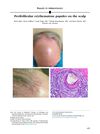 January 2016 in “Journal of The American Academy of Dermatology”
 The woman has a type of scarring hair loss with red bumps around hair follicles.
 May 2003 in “Facial Plastic Surgery Clinics of North America”
 Hair loss can be treated with medications like minoxidil and finasteride or surgery, but treatment effectiveness varies by alopecia type and accurate diagnosis is important.
 October 2025 in “Zenodo (CERN European Organization for Nuclear Research)”
 Focus on general hair care and lifestyle changes.
 16 citations
,
April 2011 in “Recent Patents on Inflammation & Allergy Drug Discovery”
16 citations
,
April 2011 in “Recent Patents on Inflammation & Allergy Drug Discovery” Alopecia Areata is an autoimmune disease causing hair loss in patches, often starting before age 20, and while some cases recover on their own, treatments include topical corticosteroids, minoxidil, and promising new methods like IL-31 antibodies and 308-nm Excimer laser therapy.
October 2025 in “Nature Reviews Disease Primers” October 2025 in “Nature Reviews Disease Primers” February 2020 in “Zenodo (CERN European Organization for Nuclear Research)” Finasteride treatment changes urine metabolites in male pattern baldness patients.
 6 citations
,
September 2019 in “Archives of Dermatological Research”
6 citations
,
September 2019 in “Archives of Dermatological Research” Found 32 genes linked to male baldness, affecting hair growth and stress-related pathways.
 1 citations
,
January 2021 in “Nihon rinsho hifukaikai zasshi”
1 citations
,
January 2021 in “Nihon rinsho hifukaikai zasshi” The document provides ways to tell alopecia areata from other similar hair loss conditions, using visual checks and specific tests.
14 citations
,
April 1987 in “PubMed” Topical minoxidil can promote hair growth in men with hereditary hair loss, with no serious side effects.
 June 2025 in “Australian Prescriber”
 Hair loss in men and women can be treated with medications and therapies, showing improvement after 6 months.
30 citations
,
March 1996 in “British Journal of Dermatology” 1 citations
,
December 2007 The micropunctiform technique for hair restoration is safe, simple, and creates a natural hairline.
 74 citations
,
January 1998 in “Dermatology”
74 citations
,
January 1998 in “Dermatology” Men who think they are losing hair feel worse about themselves, especially if they are younger.
 January 2014 in “Journal of Pigmentary Disorders”
 Women's hair gets thinner and grayer as they age, with treatments available for hair loss and graying.
 September 2004 in “PubMed”
 Androgenetic alopecia, or hair loss, is influenced by hormones and genetics, and can be treated with medications like minoxidil, finasteride, or hormone therapy, with effectiveness evaluated after 6 months.
 February 2023 in “Journal of vaccines and immunology”
 Alopecia areata causes sudden hair loss, often on the scalp, and can be severe, especially with early onset or related health issues.
 2 citations
,
September 2013 in “Journal of Cosmetic Dermatology”
2 citations
,
September 2013 in “Journal of Cosmetic Dermatology” Hair restoration combines drugs and follicular unit grafting for natural, long-lasting results.
February 2015 in “American journal of medical and biological research” Balding hair follicles have less growth-promoting factors and more inhibitory factors, leading to hair loss.
 March 1985 in “Inpharma (Balgowlah)”
 Minoxidil helps 32% of patients with hereditary baldness regrow hair.
 22 citations
,
April 2015 in “Current problems in dermatology”
22 citations
,
April 2015 in “Current problems in dermatology” Human hair follicles have a unique metabolism that changes between growth stages and may contribute to baldness.
 December 2025 in “Zenodo (CERN European Organization for Nuclear Research)”
 Male pattern baldness may be reversed by reducing scalp tension and improving blood flow.
 130 citations
,
May 1988 in “Journal of The American Academy of Dermatology”
130 citations
,
May 1988 in “Journal of The American Academy of Dermatology” "Male-pattern" hair loss is common in women, especially after menopause, and doesn't always mean there's a problem with hormone balance.
 19 citations
,
January 2011 in “Clinics”
19 citations
,
January 2011 in “Clinics” A young woman with a rare hair loss condition improved with steroid and biotin treatment.
 11 citations
,
April 2013 in “Journal of Proteomics”
11 citations
,
April 2013 in “Journal of Proteomics” Found different proteins in balding and non-balding cells, giving insight into hair loss causes.
 August 2018 in “Journal of The American Academy of Dermatology”
 Aging significantly affects the hair and scalp of nonbalding Caucasian women, with changes that differ from male pattern baldness.
22 citations
,
March 1994 in “Journal of Heredity” A mutation in mice causes hair loss and immune problems.
April 2011 in “The FASEB Journal” Topical Minoxidil is cost-effective for managing baldness but requires continuous use.