January 2019 in “Publisher” Human basal cell carcinomas and squamous cell carcinomas have unique gene expression patterns not fully mirrored in mouse models.
 April 2018 in “Journal of Investigative Dermatology”
 CREB, a protein that can promote cancer traits, is controlled by β-catenin in skin cancer cells.
ETS2 is crucial in squamous cell carcinoma development and could be a therapeutic target.
ETS2 drives cancer progression in squamous cell carcinoma and is linked to poor patient outcomes.
64 citations
,
February 2008 in “Cancer Research” Inactivating both p53 and Rb genes in mice speeds up aggressive skin cancer development.
45 citations
,
February 2013 in “The Journal of Dermatology” Keratoacanthoma and some squamous cell carcinomas are linked to hair follicles, while others are not.
15 citations
,
May 2008 in “British Journal of Dermatology” Chronic scalp inflammation can turn into cancer, so regular check-ups are important.
11 citations
,
November 2011 in “The Journal of Dermatology” Connexin-26 gene mutations may increase cancer risk in KID syndrome patients.
 5 citations
,
February 2012 in “Aesthetic Plastic Surgery”
5 citations
,
February 2012 in “Aesthetic Plastic Surgery” A man developed skin cancer on his scalp after multiple artificial hair grafts.
 2 citations
,
August 2012 in “Aesthetic Plastic Surgery”
2 citations
,
August 2012 in “Aesthetic Plastic Surgery” The letter argues that blaming synthetic hair implants for scalp cancer based on one report is biased and possibly coincidental.

Synthetic hair implants can cause scalp cancer years later.
 April 2025 in “Dermatology Practical & Conceptual”
 Biopsy is crucial to accurately distinguish Erosive Pustular Dermatosis of the Scalp from Squamous Cell Carcinoma.
 April 2025 in “Dermatology Practical & Conceptual”
 Biopsy is crucial for accurately diagnosing EPDS to avoid mistaking it for SCC.
October 2024 in “Frontiers in Oncology” A new gene mutation linked to Olmsted syndrome may increase cancer risk, suggesting the need for ongoing patient monitoring.
Synthetic hair implants may pose health risks, including cancer, and require careful monitoring.
Loss of the p53 gene alone causes tumors, and losing both p53 and Rb genes speeds up aggressive skin cancer.
Loss of the p53 gene alone causes tumors, and losing both p53 and Rb genes speeds up aggressive skin cancer.
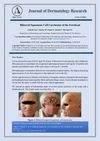
A 70-year-old man with skin cancer on both sides of his forehead was treated with surgery and cryotherapy, highlighting the need for early detection and prevention.
May 2018 in “Dermatologic Surgery”  66 citations
,
December 2013 in “Nature Cell Biology”
66 citations
,
December 2013 in “Nature Cell Biology” Inactive hair follicle stem cells help prevent skin cancer.
44 citations
,
March 2012 in “Molecular Carcinogenesis” Keratin 15 cells from hair follicles help develop and maintain skin tumors in mice.
3 citations
,
April 2012 in “Cancer research” Mouse skin cancer progression involves a unique group of cells marked by ABCG2 and MTS24.
November 2025 in “Cancer Cell International” Cancer-associated fibroblasts promote tumor growth in skin cancer.
 30 citations
,
August 2021 in “Oncogene”
30 citations
,
August 2021 in “Oncogene” miR-22 helps skin cancer grow and spread by activating specific cell signals.
7 citations
,
May 2021 in “EBioMedicine” Increased methylation of the Filip1l gene may contribute to aggressive skin cancer.
 55 citations
,
March 2015 in “Carcinogenesis”
55 citations
,
March 2015 in “Carcinogenesis” WNT10A helps esophageal cancer cells spread and keep renewing themselves.
11 citations
,
February 2018 in “Oncotarget” Lower SMAD2/3 activation predicts more severe skin cancer.
11 citations
,
November 2015 in “Carcinogenesis” Deleting TNFα gene reduces skin cancer risk in certain mice.
6 citations
,
December 2019 in “Frontiers in genetics” GLI1 might protect against the start of skin cancer and is not linked to cancer severity.
6 citations
,
May 2016 in “Experimental Dermatology” The type of tumor suppressor gene lost affects the behavior of skin cancer.