 24 citations
,
November 2019 in “Experimental Dermatology”
24 citations
,
November 2019 in “Experimental Dermatology” PPAR-γ is important for healthy hair and its problems, and more research on PPAR-γ treatments is needed.
 October 2023 in “bioRxiv (Cold Spring Harbor Laboratory)”
 Early regulatory T cells are crucial for normal skin pigmentation.
20 citations
,
June 2024 in “Journal of Autoimmunity” Inflammation in rheumatoid arthritis increases steroid activation in cells, reducing inflammation.
 60 citations
,
May 2015 in “Archives of dermatological research”
60 citations
,
May 2015 in “Archives of dermatological research” PPAR agonists show promise for skin conditions but need more research before being a main treatment.
136 citations
,
March 1998 in “Oncogene” Overexpression of E2F1 can lead to skin tumors and disrupt hair growth.
7 citations
,
September 2003 in “Journal of Investigative Dermatology” PAR-1 may play a role in hair growth regulation in human hair follicles.
Red light exposure slows aging in mice by improving fat metabolism.
88 citations
,
December 2003 in “Journal of Biological Chemistry” Epiprofin helps cells grow in developing teeth, hair, and limbs.
25 citations
,
November 2015 in “Journal of Dermatological Science” Sebum helps protect human skin from microbes.
 1 citations
,
January 2003 in “Expert Opinion on Therapeutic Patents”
1 citations
,
January 2003 in “Expert Opinion on Therapeutic Patents” Steroid sulfatase inhibitors could potentially treat hormone-related disorders like certain cancers, hair loss, acne, and improve cognitive dysfunction.
 24 citations
,
January 2012 in “Journal of Cellular Biochemistry”
24 citations
,
January 2012 in “Journal of Cellular Biochemistry” C-reactive protein helps monocytes stick to blood vessel cells by causing oxidative stress.
 May 2021 in “Experimental Cell Research”
 FOXC1 boosts SFRP1 in hair loss, suggesting new treatments.
 16 citations
,
September 2016 in “Neuropharmacology”
16 citations
,
September 2016 in “Neuropharmacology” Activating TSPO helps protect the retina from damage caused by high eye pressure in glaucoma.
 July 2016 in “Experimental Dermatology”
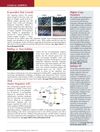
 New treatments for hair growth and psoriasis may be possible, and gene differences could affect baldness and the severity of skin conditions.
28 citations
,
February 2007 in “Cancer Research” Blocking certain proteins in mouse skin can reduce and shrink skin tumors.
 February 2020 in “Benha Journal of Applied Sciences”
 Insulin resistance and nesfatin-1 are linked to acne severity.
Marine sponges from Tabuhan Island can inhibit enzymes linked to Alzheimer's and hair loss.
81 citations
,
June 2006 in “Experimental Neurology” Neurosteroids may help prevent seizures in epilepsy.
45 citations
,
September 2000 in “Archives of dermatology” The study found that the enzyme linked to acne is present in the same areas of both acne-affected and normal skin.
3 citations
,
July 2017 in “Journal of Investigative Dermatology” SSEA-4 can distinguish between eccrine and apocrine sweat gland ducts.
January 2013 in “edoc (University of Basel)” TRF1 is crucial for creating and maintaining stem cells and marks both pluripotent and adult stem cells.
 60 citations
,
March 2011 in “Proceedings of the National Academy of Sciences of the United States of America”
60 citations
,
March 2011 in “Proceedings of the National Academy of Sciences of the United States of America” RANK-RANKL signaling is essential for hair growth and skin health.
 December 2025 in “International Journal of Surgery”
 GBP1 is a key target for treating Epstein-Barr virus-related kidney cancer, and finasteride may help.
 16 citations
,
March 2016 in “The journal of investigative dermatology/Journal of investigative dermatology”
16 citations
,
March 2016 in “The journal of investigative dermatology/Journal of investigative dermatology” The Notch signaling pathway helps in mouse hair development through a noncanonical mechanism that does not rely on RBPj or transcription.
3 citations
,
February 2025 in “Metabolites” The research found enzymes in Stephania epigaea that help make cepharanthine.
January 2009 in “IRIS UNIMORE (University of Modena and Reggio Emilia)” Neurosteroids from glia cells help control seizure development in epilepsy.
 12 citations
,
November 2014 in “Bioscience, Biotechnology, and Biochemistry”
12 citations
,
November 2014 in “Bioscience, Biotechnology, and Biochemistry” Genetically modifying a bacteria and changing its growth conditions significantly increased the production of a chemical called dipicolinic acid.
January 1995 in “Seoul National University Open Repository (Seoul National University)” SSO helps in skin protection and keratinization.
59 citations
,
January 1976 in “Vitamins and hormones” Prostate cells have proteins that bind to specific hormones, which can increase protein production when activated by these hormones.
July 2025 in “Journal of Investigative Dermatology” Hhip-Cre effectively targets dermal papilla cells for gene manipulation in hair biology.