 February 2021 in “Pakistan Armed Forces Medical Journal”
 A rare skin condition usually found near the eyes was found on a farmer's scalp.
February 2026 in “The Plant Journal” ADF8 and ADF11 help root hairs grow by responding to hormones and environmental signals.
546 citations
,
February 2008 in “PLANT PHYSIOLOGY” OsPHR2 gene causes excessive phosphate in rice shoots, affecting plant growth and root development.
 28 citations
,
October 2004 in “Differentiation”
28 citations
,
October 2004 in “Differentiation” A gene deletion causes the "hairless" trait in Iffa Credo rats.
9 citations
,
May 2014 in “BMC medical genetics” A woman with a unique syndrome similar to TRPS has a genetic change near the TRPS1 gene, affecting its regulation.
41 citations
,
January 1992 in “Journal of medical genetics” The study found that males with KFSD had severe skin and eye symptoms, while female carriers had milder symptoms.
 June 2026 in “bioRxiv (Cold Spring Harbor Laboratory)”
 AQB reduces harmful skin changes in systemic sclerosis.
 25 citations
,
May 2016 in “Progress in Biophysics & Molecular Biology”
25 citations
,
May 2016 in “Progress in Biophysics & Molecular Biology” R-spondins and their receptors help increase bone growth and may be used to treat bone loss diseases.
Knocking out the FGF5 gene in sheep increased wool production and hair-follicle density.
52 citations
,
July 2011 in “PubMed” TRPS1 is crucial for bone, kidney, and hair follicle development.
 1 citations
,
May 2026 in “Nature Communications”
1 citations
,
May 2026 in “Nature Communications” CD19-CAR T cell therapy may help regenerate skin in systemic sclerosis.
7 citations
,
December 2023 in “International Journal of Molecular Sciences” Forsythiaside A helps protect cells and liver from damage by reducing oxidative stress and boosting antioxidants.
 May 2021 in “Experimental Cell Research”
 FOXC1 boosts SFRP1 in hair loss, suggesting new treatments.
45 citations
,
January 2007 in “Journal of Clinical Oncology” Sorafenib may cause hand-foot and stump syndrome, requiring early detection and management.
 September 2017 in “Journal of Investigative Dermatology”
 Finasteride helps female-pattern hair loss.
Genetic analysis of rabbits identified key genes for traits like coat color, body size, and fertility.
 78 citations
,
June 2013 in “Science”
78 citations
,
June 2013 in “Science” Mice without the Sept4/ARTS gene heal wounds better due to more stem cells that don't die easily.
4 citations
,
August 2022 in “Cells” lncRNA2919 slows down rabbit hair growth by stopping cell growth and causing cell death.
 February 2019 in “bioRxiv (Cold Spring Harbor Laboratory)”
 The gene Prss53 affects hair shape and bone development in rabbits.
S1PR1 helps control inflammation in blood vessel cells by affecting gene activity differently in various cell types and locations.

A new syndrome, Teelwani Syndrome, combines features of two rare genetic disorders.
 4 citations
,
June 2021 in “Basic and Clinical Neuroscience Journal”
4 citations
,
June 2021 in “Basic and Clinical Neuroscience Journal” Rat hair follicle stem cells can improve nerve repair and muscle function after injury.
 8 citations
,
December 2009 in “Journal of The European Academy of Dermatology and Venereology”
8 citations
,
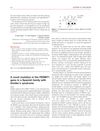
December 2009 in “Journal of The European Academy of Dermatology and Venereology” Researchers found a new mutation in the FERMT1 gene in a Spanish family with Kindler syndrome.
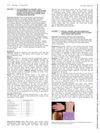
A TNFAIP3 gene mutation can cause unusual and varied symptoms of lupus and Sjogren's syndrome.
 5 citations
,
August 2019 in “iScience”
5 citations
,
August 2019 in “iScience” Deleting the Trf1 protein in mice is safe and may help prevent cancer without major side effects.
8 citations
,
July 2017 in “The journal of investigative dermatology/Journal of investigative dermatology” Certain microRNAs might help identify and understand Frontal Fibrosing Alopecia.
305 citations
,
March 2008 in “AJP Endocrinology and Metabolism” SSAT is a key enzyme affecting cell growth and metabolism, with potential but risky use in disease treatment.
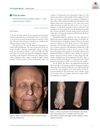 March 2019 in “Journal der Deutschen Dermatologischen Gesellschaft”
 Rothmund-Thomson syndrome type 2 can cause chronic, poorly healing wounds.
September 2019 in “The journal of investigative dermatology/Journal of investigative dermatology” A new mutation in the STING protein causes a disease with lupus-like symptoms and responds well to a specific inhibitor treatment.
Ribonucleotide excision repair is crucial to prevent skin cancer.