18 citations
,
January 2013 in “PLoS ONE” HLA-DRB5 and other genes may be linked to alopecia universalis.
67 citations
,
December 2013 in “Journal of Biological Chemistry” SCD1 is crucial for skin health and overall energy balance.
June 2026 in “Reproductive Biology”  432 citations
,
April 2014 in “Nature communications”
432 citations
,
April 2014 in “Nature communications” A mother's diet at conception can cause lasting genetic changes in her child.
 December 2024 in “Kırıkkale Üniversitesi Tıp Fakültesi Dergisi”
 Chromosomal microarray analysis is important for diagnosing rare genetic variations and guiding treatment.
 January 2024 in “JAAD case reports”
 MSUD patients need careful monitoring of amino acids and zinc to prevent severe symptoms.
 5 citations
,
May 2023 in “European Journal of Human Genetics”
5 citations
,
May 2023 in “European Journal of Human Genetics” NIPT can help detect potential maternal cancer, and GIPXplore can identify immune diseases in pregnancies.
 2 citations
,
July 2019 in “PLOS ONE”
2 citations
,
July 2019 in “PLOS ONE” Certain genetic variations are linked to higher liver enzyme levels in patients treated for chronic hepatitis C with specific drugs.
January 2001 in “대한피부과학회지” Hormone levels in women with androgenetic alopecia are similar to those without the condition.
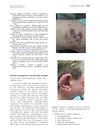
A 72-year-old man was diagnosed with a rare skin form of Rosai-Dorfman disease after years of misdiagnosis.
15 citations
,
January 1991 in “Mammalian Genome”  1 citations
,
April 2022 in “AACE clinical case reports”
1 citations
,
April 2022 in “AACE clinical case reports” A 36-year-old person with a female appearance but male chromosomes was diagnosed with a rare enzyme deficiency affecting sexual development.
July 2024 in “Journal of Investigative Dermatology” 2 citations
,
January 1989 Tay syndrome is a unique genetic disorder causing skin, hair, and developmental issues.
 10 citations
,
January 2013 in “Stem Cells and Development”
10 citations
,
January 2013 in “Stem Cells and Development” Scientists identified a unique type of human skin stem cell that could help with tissue repair.
January 2009 in “Xumu shouyi xuebao” Sheep cells were successfully modified to include a spider silk protein gene.
 June 2024 in “Archives of Dermatological Research”
 SFRP2 and PTGDS may be key factors in female hair loss.
25 citations
,
November 2015 in “Journal of Dermatological Science” Sebum helps protect human skin from microbes.
 September 2017 in “Journal of Investigative Dermatology”
 The Siah1 and Siah2 genes are active in mouse skin development and hair growth, especially right after birth.
53 citations
,
May 1988 in “Journal of Molecular Evolution”  11 citations
,
January 2018 in “Acta dermato-venereologica”
11 citations
,
January 2018 in “Acta dermato-venereologica” Researchers found specific genes in the part of hair follicles that could help treat hair disorders.
19 citations
,
March 2016 in “Frontiers in Plant Science” Spermidine is essential for plant growth and adaptation to stress.
September 2017 in “The journal of investigative dermatology/Journal of investigative dermatology” Higher SPF sunscreens provide more DNA protection, and the form of sunscreen doesn't affect protection level.
 April 2023 in “The journal of investigative dermatology/Journal of investigative dermatology”
 DKK2 and SOSTDC1 together are necessary for the normal timing of the first regression phase in the hair growth cycle.
 June 2025 in “bioRxiv (Cold Spring Harbor Laboratory)”
 In alopecia areata, certain immune cells increase and express a protein linked to immune activation.
August 2025 in “Journal of Polymer Science” AcD scaffolds improve tissue repair and regeneration by combining stem cells with a supportive matrix.
 1 citations
,
February 2013 in “InTech eBooks”
1 citations
,
February 2013 in “InTech eBooks” Genetic mutations cause various hair diseases, and whole genome sequencing may reveal more about these conditions.
8 citations
,
October 2014 in “The Journal of Dermatology” Patients with alopecia areata should be checked for muscle spasms, diarrhea, and ANA to avoid missing Satoyoshi syndrome.
16 citations
,
November 2017 in “British Journal of Dermatology” Cells in hair die by breaking down their DNA and mitochondria as they form keratin.