59 citations
,
October 2016 in “Clinics in dermatology” Precise skin sampling is crucial to understand the role of P. acnes in acne.
 13 citations
,
March 2019 in “Pharmacology Research & Perspectives”
13 citations
,
March 2019 in “Pharmacology Research & Perspectives” In Singapore, most skin reactions to drugs were in females and Chinese, often caused by painkillers, antibiotics, and some other drugs, with serious cases linked to genetics.
 1 citations
,
March 2019 in “International Journal of Current Pharmaceutical Research”
1 citations
,
March 2019 in “International Journal of Current Pharmaceutical Research” The essential oils from Hedyotis corymbosa, Inula racemose, and Holostemma adakodien have significant antibacterial and antifungal properties.
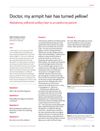
A 15-year-old boy's smelly, yellow armpit hair improved with clindamycin treatment.
April 2019 in “The journal of investigative dermatology/Journal of investigative dermatology” A synthetic sandalwood odorant can boost antimicrobial production in hair follicles, making them more resistant to bacteria.
9 citations
,
December 1985 in “JAMA” A child day-care center reported cases of contagious fungal scalp infection, indicating a need for greater awareness and control measures.
 July 2023 in “Media Dermato Venereologica Indonesiana”
 Early diagnosis, stopping the suspected drug, and supportive care are crucial for treating Stevens-Johnson Syndrome and Toxic Epidermal Necrolysis.
69 citations
,
January 2021 in “Journal of Biological Chemistry” Plant-derived amino acids can help develop new antimicrobial drugs.
 April 2016 in “Journal of Investigative Dermatology”
 Retinoids change the fat content in skin oil and reduce bacteria growth, helping to treat acne.
2 citations
,
November 2025 in “Plant Molecular Biology”  March 2023 in “Journal of the American Academy of Dermatology”
 Treating underlying conditions and using antifungals effectively resolve Pityrosporum folliculitis in immunocompromised people.
 June 2023 in “Deleted Journal”
 Healthy dogs and cats can carry and spread skin infections without showing symptoms.
20 citations
,
November 1989 in “PubMed” Accurate fungal identification is crucial for proper treatment in immunocompromised patients.
 June 2026 in “Gümüşhane Üniversitesi Fen Bilimleri Enstitüsü Dergisi”
 PVA/agar films with Achillea millefolium essential oil are promising for wound dressings due to good strength and selective antibacterial effects.
 8 citations
,
July 2018 in “European Journal of Dermatology”
8 citations
,
July 2018 in “European Journal of Dermatology” A medication may help with hair growth in psoriasis, and a skin condition might be linked to a specific bacteria.
 19 citations
,
January 2012 in “International Journal of Trichology”
19 citations
,
January 2012 in “International Journal of Trichology” Propionibacterium acnes might be linked to hair casts and possibly alopecia.
20 citations
,
April 1959 in “A M A Archives of Dermatology” Alopecia mucinosa causes red, raised skin patches and hair loss.
 April 2026 in “Microorganisms”
 SCFF may help promote hair growth and scalp health.
4 citations
,
December 2022 in “Clinical and Experimental Dermatology” Alopecia areata doesn't significantly change the risk of common infections.
 February 2005 in “Journal of The American Academy of Dermatology”
 Doctors should recognize various nail disorders, new allergens, and metabolic syndrome in patients, and use botulinum toxin carefully in aesthetic procedures.
 May 2025 in “Zagazig Journal of Pharmaceutical Sciences/Zagazig Journal of Pharmaceutical Science”
 Finasteride may help treat Pseudomonas aeruginosa infections by reducing its harmful activities.
 November 2022 in “Journal of Investigative Dermatology”
 Butyrate helps hair grow longer, improves hair cell health, increases pigment production, and boosts hair's natural defenses.
16 citations
,
April 1985 in “Archives of dermatology” The summary does not report the effectiveness of Stanozolol in treating Pityriasis rubra pilaris.
8 citations
,
January 2014 in “Indian Dermatology Online Journal” Trichostasis spinulosa is a common but often unnoticed skin condition involving bundled vellus hairs, especially in people with darker skin or UV exposure.
8 citations
,
January 2017 in “Indian dermatology online journal” Traumatic anserine folliculosis is a skin condition caused by friction, treatable with topical cream and avoiding trauma.
February 2023 in “Reactions Weekly” June 2026 in “Journal of Cutaneous and Aesthetic Surgery” Undiagnosed diabetes can lead to serious infections after surgery, but proper treatment can ensure healing.
2 citations
,
March 2019 in “PubMed” Fusidic acid successfully treated a rare scalp infection with hair regrowth and no recurrence after 6 months.
 26 citations
,
June 2018 in “The journal of immunology/The Journal of immunology”
26 citations
,
June 2018 in “The journal of immunology/The Journal of immunology” AIRE-deficient rats developed severe autoimmune disease similar to APECED, useful for testing treatments.
 January 2023 in “Al-Azhar International Medical Journal /Al-Azhar International Medical Journal”
 Acne patients have higher mTOR gene expression.