9 citations
,
May 2022 in “Frontiers in Cellular Neuroscience” Mesenchymal stromal cell therapies show promise for treating various diseases but need more research and standardization.
 8 citations
,
February 2022 in “Vascular Health and Risk Management”
8 citations
,
February 2022 in “Vascular Health and Risk Management” Some skin conditions may increase the risk of heart disease, and understanding their connection could lead to better treatments.
7 citations
,
February 2023 in “Exploration of Medicine” Drug repurposing offers promising strategies to improve tuberculosis treatment despite challenges.
7 citations
,
December 2021 in “Pharmaceutics” The nanoemulsion with garlic oil, apple cider vinegar, and minoxidil could effectively treat alopecia areata.
6 citations
,
July 2025 in “Advanced Materials” Biomimetic cell membrane-coated scaffolds significantly enhance tissue regeneration by mimicking natural cellular environments.
6 citations
,
February 2024 in “Pharmaceutics” ELIP-based CRISPR delivery improves heart disease gene editing but needs more testing.
6 citations
,
December 2023 in “Journal of Molecular Cell Biology” Removing Gsdma1/2/3 genes reduces skin cell overgrowth by blocking a specific cell pathway.
6 citations
,
October 2022 in “Frontiers in Oncology” New techniques and materials improve sternum reconstruction and patient quality of life.
5 citations
,
February 2025 in “Cell Reports” Skin acetyl-CoA synthesis is crucial for overall lipid balance.
4 citations
,
June 2023 in “Frontiers in Aging” Improving blood flow and oxygen levels in middle age may help prevent age-related diseases.
3 citations
,
May 2025 in “Stem Cell Research & Therapy” Stem cell therapy from umbilical cords may help treat atopic dermatitis.
 2 citations
,
May 2023 in “International Journal of Molecular Sciences”
2 citations
,
May 2023 in “International Journal of Molecular Sciences” The TRPV3 ion channel is important for skin and hair health and could be a target for treating skin conditions.
 September 2025 in “Wound Repair and Regeneration”
 GLP-1 receptor agonists may help manage and prevent diabetic foot ulcers.
January 2025 in “Open Medicine” Acne may signal underlying metabolic issues, and lifestyle changes can help manage both.
 December 2024 in “Frontiers in Genetics”
 EGFR and mTOR inhibitors may help manage Olmsted syndrome symptoms.
 April 2024 in “Skin research and technology”
 Adding stromal vascular fraction to platelet-rich plasma injections did not significantly improve hair growth in androgenetic alopecia treatment.
 February 2024 in “BMC genomics”
 The TRPV3 gene variant may cause the long-haired suri alpaca coat.
January 2024 in “Medicina” Statins may help treat PCOS by lowering androgen levels and improving cholesterol.
 May 2023 in “Journal of Clinical Medicine”
 New understanding and treatments for hair loss are improving, but more research is needed.
 January 2023 in “Applied sciences”
 Gefitinib and Sasam-Kyeongokgo together significantly reduce cancer growth and improve immune response in mice.

Women with Polycystic Ovary Syndrome (PCOS) have a higher risk of developing type 2 diabetes due to insulin resistance.
 January 2023 in “Journal of The American Academy of Dermatology”
 Being overweight, having gallbladder removal surgery, and taking cholesterol-lowering drugs are linked to a higher chance of getting vulvar lichen sclerosus.
 February 2019 in “PubMed”
 The research found that twisting hair fibers can show changes in stiffness and damage, and help tell apart different hair treatments.
 5 citations
,
September 2017 in “Colloids and surfaces. B, Biointerfaces”
5 citations
,
September 2017 in “Colloids and surfaces. B, Biointerfaces” Tying a knot can measure hair friction, useful for medical applications.
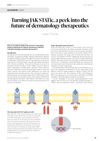 August 2024 in “New Zealand Medical Student Journal”
 JAK inhibitors show promise for treating skin diseases effectively and safely.
Treating hair with 1M sodium hydroxide increases its friction, making it better for small medical knots.
 September 2018 in “Value in Health”
 More people in South Korea are using statins each year, especially those with diabetes, muscle pain, and heart disease, leading to higher medical costs.
March 2026 in “Bioconjugate Chemistry” Peptide-based PROTACs show promise in targeting hard-to-treat proteins, especially for cancer therapy.
 11 citations
,
July 2020 in “Scientific Reports”
11 citations
,
July 2020 in “Scientific Reports” Statins may be linked to reproductive organ conditions, and their risks should be monitored.
 36 citations
,
April 2017 in “journal of current ophthalmology”
36 citations
,
April 2017 in “journal of current ophthalmology” Good preoperative assessment is crucial for safe and effective eyelid and brow cosmetic surgery.