5 citations
,
January 2017 in “Nevrologiâ, nejropsihiatriâ, psihosomatika” Sustained-release sodium valproate is effective in treating epilepsy, with some side effects influenced by genetics.
 9 citations
,
November 2012 in “Hepatology Research”
9 citations
,
November 2012 in “Hepatology Research” A man lost all his hair permanently after hepatitis C treatment, a side effect not seen before.
 100 citations
,
September 2016 in “Clinical transplantation/Clinical transplantation.”
100 citations
,
September 2016 in “Clinical transplantation/Clinical transplantation.” Voriconazole can cause serious side effects, especially in long-term use.
3 citations
,
January 2025 in “SAGE Open Medical Case Reports” Deucravacitinib helped regrow hair and reduce plaques in a woman with discoid lupus erythematosus without side effects.
4 citations
,
October 1993 in “Journal of the American Academy of Dermatology” Azelaic acid's effectiveness in treating certain skin conditions needs more research.
 17 citations
,
January 2011 in “The Korean Journal of Hepatology”
17 citations
,
January 2011 in “The Korean Journal of Hepatology” Vogt-Koyanagi-Harada disease can develop during interferon therapy for chronic hepatitis C.
4 citations
,
October 2018 in “JAMA Dermatology” Ruxolitinib may help treat hair loss and symptoms in patients with chronic graft-versus-host disease.
 11 citations
,
January 1998 in “Dermatology”
11 citations
,
January 1998 in “Dermatology” Isotretinoin effectively treated severe acne in HIV-positive women, with improved skin and CD4 counts, but some experienced side effects like skin dryness and hair loss.
2 citations
,
November 1978 in “JAMA” Valproic acid is an effective seizure medication with some temporary side effects.
 June 2015 in “Reactions Weekly”
 A man developed alopecia areata after starting cancer treatment with vandetanib.
February 2025 in “JDDG Journal der Deutschen Dermatologischen Gesellschaft” Deucravacitinib helped a man regrow hair and improve psoriasis.
 June 2026 in “Frontiers in Immunology”
 Upadacitinib effectively treated severe atopic dermatitis, vitiligo, and alopecia areata in one patient.
 1 citations
,
September 2007 in “European journal of paediatric neurology”
1 citations
,
September 2007 in “European journal of paediatric neurology” Low dose valproic acid treatment caused hair loss in a young patient.
8 citations
,
April 2018 in “Journal of the European Academy of Dermatology and Venereology” Certain genetic variations can make people more likely to experience hair loss and low white blood cell count from azathioprine.
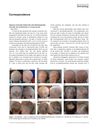 1 citations
,
November 2019 in “International Journal of Dermatology”
1 citations
,
November 2019 in “International Journal of Dermatology” A 6-year-old girl with alopecia universalis regrew most of her hair after treatment with simvastatin/ezetimibe, minoxidil, and prednisolone.
 October 2022 in “Journal of experimental and clinical medicine”
 Repurposing existing drugs for COVID-19 shows promise but requires more research to confirm effectiveness.
December 2022 in “Scientific Reports” Compound 4 is a promising treatment for hair loss with low toxicity.
 February 2025 in “International Journal of Morphology”
 Vitamin E can reduce the negative effects of valproic acid on hair and skin development.
22 citations
,
March 2017 in “Transplant Infectious Disease” Leflunomide successfully treated a rare skin condition in a liver transplant patient.
 August 2024 in “Clinical Cosmetic and Investigational Dermatology”
 Upadacitinib and narrowband UVB effectively treated a child's vitiligo and alopecia areata.
 8 citations
,
December 2013 in “Journal of Investigative Dermatology Symposium Proceedings”
8 citations
,
December 2013 in “Journal of Investigative Dermatology Symposium Proceedings” Hepatitis C treatment may trigger complete hair loss, especially in those with a history of patchy hair loss, but hair usually grows back within a year.
 3 citations
,
August 2024 in “Cureus”
3 citations
,
August 2024 in “Cureus” Upadacitinib may cause hair loss.
 41 citations
,
December 2015 in “JAMA Dermatology”
41 citations
,
December 2015 in “JAMA Dermatology” Tofacitinib citrate improved nail dystrophy and pain in patients with alopecia universalis without causing side effects.
 17 citations
,
February 2011 in “Expert Opinion on Drug Safety”
17 citations
,
February 2011 in “Expert Opinion on Drug Safety” Manage side effects of hepatitis C treatment with dose changes and medications, which may improve patient adherence and treatment success.
22 citations
,
May 2011 in “European Journal of Cancer” The drug combination was safe and showed promise in treating advanced tumors.
 1 citations
,
January 2023 in “SAGE open medical case reports”
1 citations
,
January 2023 in “SAGE open medical case reports” A new treatment called deucravacitinib helped a patient with severe hair loss grow their hair back quickly.
 April 2026 in “Frontiers in Medicine”
 Farudodstat may help prevent hair loss in alopecia areata by stopping immune attacks on hair follicles.
 February 2025 in “International Journal of STD & AIDS”
 Tofacitinib can cause unusual hair growth, requiring careful monitoring and possible laser hair removal.
5 citations
,
June 2012 in “PubMed” Valproic acid can cause a skin condition called leukocytoclastic vasculitis, which usually gets better after stopping the drug.
 August 2016 in “Journal of Investigative Dermatology”
 Blocking the CCR5 receptor may be a new way to treat hair loss from alopecia areata.