 5 citations
,
November 2022 in “Journal of Ginseng Research/Journal of ginseng research”
5 citations
,
November 2022 in “Journal of Ginseng Research/Journal of ginseng research” Ginsenoside Re from Panax ginseng may prevent hair loss by maintaining autophagy and Wnt signaling in hair cells.
 May 2017 in “Journal of The American Academy of Dermatology”
 PLAU and SerpinB2 affect cell death differently in various forms of leprosy and could be targets for new treatments.
1 citations
,
April 2025 in “Animals” The KRTAP13-3 gene affects wool fibre diameter variability in Chinese Tan sheep.
132 citations
,
February 2002 in “Journal of Biological Chemistry” HOXC13 is crucial for regulating hair keratin genes in hair follicles.
February 2017 in “Developmental Cell” Mammary stem cells drive mammary gland growth by branching and cell mixing.
4 citations
,
September 2024 in “Development” Researchers converted human embryonic stem cells into trophoblast stem cells using specific transcription factors.
52 citations
,
January 2003 in “Journal of Investigative Dermatology” Thrombospondin-1 is crucial for hair follicle regression and reduced blood vessel growth during the catagen phase.
 13 citations
,
May 2016 in “International journal of biological macromolecules”
13 citations
,
May 2016 in “International journal of biological macromolecules” Keratin's mechanical properties are influenced by hydrogen bonds and secondary structure, and can be improved with the SPD-2 peptide.
 15 citations
,
July 2008 in “Journal of Dermatological Science”
15 citations
,
July 2008 in “Journal of Dermatological Science” Ephrin-A3 helps increase and speed up hair growth in baby mice.
31 citations
,
October 1992 in “PubMed” A mycobacterial protein shares a similar region with a human skin protein, possibly affecting skin diseases.
 April 2023 in “Journal of Investigative Dermatology”
 Human TMEM2 does not break down hyaluronan but helps control its metabolism.
 2 citations
,
April 2022 in “Research Square (Research Square)”
2 citations
,
April 2022 in “Research Square (Research Square)” Activating PKM2 and Wnt/β-catenin signaling together can potentially enhance hair growth and could be a treatment for hair loss.
September 2023 in “Journal of the American Academy of Dermatology” CTP-543 significantly improved eyebrow and eyelash regrowth and patient satisfaction in adults with alopecia areata.
 April 2023 in “Journal of Investigative Dermatology”
 Changing YBX1 protein activity affects skin stem cell function and aging.
 5 citations
,
February 2019 in “The New England Journal of Medicine”
5 citations
,
February 2019 in “The New England Journal of Medicine” Certain mutations in the PADI3 gene may increase the risk of developing a type of scarring hair loss common in women of African descent.
January 2022 in “Mammalian Genome” The wavy coat in NCT mice is caused by multiple genes, including a mutation in the Prss53 gene.
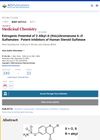 37 citations
,
September 2003 in “Journal of Medicinal Chemistry”
37 citations
,
September 2003 in “Journal of Medicinal Chemistry” A substance called Compound 2g can strongly block STS (a hormone-related enzyme) without affecting estrogen levels, making it potentially good for treating breast cancer.
 3 citations
,
August 2013 in “Stem cells”
3 citations
,
August 2013 in “Stem cells” Certain inhibitors applied to the skin can promote hair growth by maintaining a key hair growth signal.
 5 citations
,
January 2023 in “Cell proliferation”
5 citations
,
January 2023 in “Cell proliferation” Chick embryo extract helps rat hair follicle stem cells potentially turn into Schwann cells, important for the nervous system.
17 citations
,
November 2001 in “Journal of Investigative Dermatology Symposium Proceedings” Stat3 is essential for hair growth and wound healing.
 2 citations
,
October 2023 in “Philosophical transactions - Royal Society. Biological sciences”
2 citations
,
October 2023 in “Philosophical transactions - Royal Society. Biological sciences” Enzymes that change arginine to citrulline are important for skin barrier and hair formation, and their malfunction can lead to skin conditions and hair disorders.
August 2024 in “Archives of Dermatological Research” CHI3L1 and CXCL5 proteins help promote hair growth.
2 citations
,
October 2010 in “BMB Reports” L-threonate may help prevent balding by blocking a key hair loss factor.
48 citations
,
March 2010 in “PloS one” C/EBPalpha and C/EBPbeta are crucial for normal skin and oil gland cell development in adult mice.
31 citations
,
July 2012 in “Journal of Lipid Research” ACBP is crucial for healthy skin in mice.
81 citations
,
June 2006 in “Experimental Neurology” Neurosteroids may help prevent seizures in epilepsy.
208 citations
,
November 2000 in “Development” Edar and Eda proteins are crucial for proper tooth development.
10 citations
,
May 2024 in “BioEssays” TRPV3 is important for skin health and could be a target for treating skin diseases.
30 citations
,
October 2010 in “Biochemical and biophysical research communications” The Gsdma3 gene is essential for normal hair development in mice.
9 citations
,
February 2022 in “Biomedicines” Testosterone treatment may change estrogen receptor methylation in AFAB individuals.