 June 2019 in “Stem Cell Research”
 Scientists created MUSIi010-A, a stem cell line from a balding man's scalp, to study hair loss and develop potential treatments.
31 citations
,
August 2000 in “Journal of Investigative Dermatology” Stem cells are key for hair follicle recovery.
6 citations
,
December 1990 in “PubMed” Keratinocytes in hair follicles differentiate similarly to skin cells, with specific patterns in different regions.

Activating certain hair follicle cells could prevent hair loss from cancer treatments.
January 2021 in “Faculty Opinions – Post-Publication Peer Review of the Biomedical Literature” GDNF helps grow hair and heal skin wounds by acting on specific stem cells.
 10 citations
,
November 2022 in “Protein & Cell”
10 citations
,
November 2022 in “Protein & Cell” Quercetin significantly helps hair growth by activating hair follicles and improving blood vessel formation around them.
March 2025 in “Regenerative Therapy” Spirulina maxima extract may help hair growth by boosting cell activity.
 April 2023 in “The journal of investigative dermatology/Journal of investigative dermatology”
 Dermal papilla cell-derived exosomes can help stem cells grow hair.
 72 citations
,
July 2012 in “Journal of Investigative Dermatology”
72 citations
,
July 2012 in “Journal of Investigative Dermatology” Mice lacking a key DNA methylation enzyme in skin cells have a lower chance of activating stem cells necessary for hair growth, leading to progressive hair loss.
 42 citations
,
February 2018 in “International Journal of Molecular Sciences”
42 citations
,
February 2018 in “International Journal of Molecular Sciences” Minoxidil boosts hair growth by triggering growth factor release from specific stem cells.
 39 citations
,
May 2010 in “Stem Cells”
39 citations
,
May 2010 in “Stem Cells” Ephrins slow down skin and hair follicle cell growth.
 24 citations
,
March 2018 in “Pigment Cell & Melanoma Research”
24 citations
,
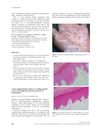
March 2018 in “Pigment Cell & Melanoma Research” The environment around melanocyte stem cells is key for hair regeneration and color, with certain injuries affecting hair color and potential treatments for pigmentation disorders.
 24 citations
,
September 2008 in “Clinical and experimental dermatology”
24 citations
,
September 2008 in “Clinical and experimental dermatology” Repigmentation in vitiligo may come from melanocyte stem cells in the skin.
13 citations
,
November 2003 in “Humana Press eBooks” ES cells can be turned into hair follicle cells in a lab setting.
4 citations
,
May 2015 in “Macedonian Veterinary Review” Canine stem cell aggregates can effectively replace natural dermal papillae for hair research.
2 citations
,
September 2020 in “International Journal of Molecular Sciences” Removing certain hair follicle stem cells worsens skin reactions to allergens.
 1 citations
,
April 2016 in “Journal of Investigative Dermatology”
1 citations
,
April 2016 in “Journal of Investigative Dermatology” Blocking Prostaglandin D₂ may help treat hair loss.
August 2024 in “International Journal of Molecular Sciences” Mesenchymal Stem Cell therapy shows promise for treating hair loss in Alopecia Areata.
 April 2024 in “Cell death and differentiation”
 Cell death shapes skin stem cell environments, affecting inflammation, repair, and cancer.
 December 2022 in “Scientific Reports”
 Stem cells from whiskers can be transplanted to stimulate hair growth.
December 2020 in “Research Square (Research Square)” Neural cell nanovesicles help hair growth by activating key signals.
64 citations
,
May 2015 in “Cell Cycle” Hair follicle stem cells can become heart muscle cells.
26 citations
,
September 2012 in “Cell Reports” B-Raf and C-Raf are essential for maintaining melanocyte stem cells to prevent hair graying.
25 citations
,
June 2017 in “Journal of Investigative Dermatology” HPV8 causes skin cancer by expanding specific skin stem cells.
13 citations
,
September 2014 in “Birth defects research” Human epidermal neural crest stem cells could be used for therapies, drug discovery, and disease modeling.
 1 citations
,
October 2012 in “Elsevier eBooks”
1 citations
,
October 2012 in “Elsevier eBooks” Skin stem cells can help improve skin repair and regeneration.
May 2023 in “International journal of molecular sciences” The ABCA4 gene protects hair follicle stem cells from toxic vitamin A byproducts.
 April 2023 in “The journal of investigative dermatology/Journal of investigative dermatology”
 Damaged hair follicle stem cells may leave the skin to help maintain youthfulness.
Bcl-2 helps hair regeneration but can also increase cancer risk.
January 2007 in “Jiepouxue yanjiu” ES cell-derived stem cells can help regenerate skin and form gland-like structures.