49 citations
,
February 2014 in “Clinical Cosmetic and Investigational Dermatology” Furunculosis is a recurring skin infection needing careful hygiene and treatment to manage and prevent spread.
 29 citations
,
July 2008 in “Journal of Cutaneous Pathology”
29 citations
,
July 2008 in “Journal of Cutaneous Pathology” Hair root sheaths are more common in non-scarring hair loss and help diagnose the type of hair loss.
6 citations
,
February 2023 in “Cosmetics” Nostoc verrucosum extracts may help reduce melanin production and have antioxidant properties.
 4 citations
,
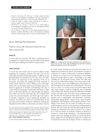
November 2012 in “Dermatitis”
4 citations
,
November 2012 in “Dermatitis” A man got severe skin irritation after using marking nut sap for hair loss.
8 citations
,
January 2009 in “Bulletin of the Veterinary Institute in Pulawy” A goat's skin infection was cured with itraconazole and D-biotin.
October 2012 in “Annals of Allergy Asthma & Immunology” Witch hazel can help protect skin and may fight colon cancer cells.
 February 2025 in “Buletin Veteriner Udayana”
 The dog's scabies was successfully treated, leading to improved symptoms and hair regrowth.
36 citations
,
April 2010 in “The journal of investigative dermatology/Journal of investigative dermatology” Canine hair follicles have stem cells similar to human hair follicles, useful for studying hair disorders.
1 citations
,
June 2025 in “Aesthetic Plastic Surgery” 9 citations
,
May 2013 in “European Journal of Dermatology” Dermoscopy can non-invasively detect eruptive vellus hair cysts on the labia majora.
 36 citations
,
September 2013 in “PLoS ONE”
36 citations
,
September 2013 in “PLoS ONE” Sweat gland stem cells help maintain glands, aid wound healing, and can regenerate skin structures.
 July 2023 in “Eurasian journal of science and engineering”
 Medicinal plants in Kurdistan have potential health benefits and need more research for drug development.
September 2016 in “European Journal of Pediatric Dermatology/PD. European journal of pediatric dermatology” Ulerythema ophryogenes causes hair thinning and inflammation, with limited treatment options.
2 citations
,
April 1970 in “Archives of Dermatology” Ichthyosis serpentina may be a variant linked to bamboo hair, with a possible genetic component.
August 2025 in “Tropical Journal of Natural Product Research” Celery extract and candlenut oil effectively and safely boost hair growth.
 10 citations
,
March 2015 in “American journal of primatology”
10 citations
,
March 2015 in “American journal of primatology” Ingesting Leucaena leucocephala caused hair loss and increased infant mortality in ringtailed lemurs.
July 2014 in “Planta Medica” Eclipta alba may help with antiaging by improving mitochondrial function.
9 citations
,
June 2021 in “Journal of Inflammation Research” Euph E and Euri A from Euphorbia neriifolia help control inflammation and immune response in cells.
June 2010 in “Cell stem cell” Elaine Fuchs aimed to boost global involvement and education in stem cell research as ISSCR president.
 April 2026 in “Journal of Microbiology Biotechnology and Food Sciences”
 Carthamus caeruleus leaves are a good source of natural antioxidants and antibacterial agents.
 1 citations
,
June 2023 in “International journal of basic science in medicine”
1 citations
,
June 2023 in “International journal of basic science in medicine” Adiantum capillus-veneris may help with respiratory issues, but more research is needed.
23 citations
,
January 1964 in “Archives of Dermatology” Treatment with vitamin A did not improve the child's skin condition.
 49 citations
,
October 2014 in “International Scholarly Research Notices”
49 citations
,
October 2014 in “International Scholarly Research Notices” Eclipta alba has many health benefits and contains compounds with potential for drug development.
12 citations
,
July 2019 in “Veterinary Dermatology” Nestin-expressing progenitor cells become outer root sheath keratinocytes.
2 citations
,
June 2013 in “Herba Polonica” The extract from Elephantopus scaber Linn. might help with hair growth in rats.
2 citations
,
May 2018 in “Dermatologic Surgery”  June 2025 in “Universities Journal of Phytochemistry and Ayurvedic Heights”
 Eclipta alba has more wedelolactone, but Wedelia chinensis is better at fighting bacteria.
 4 citations
,
July 2012 in “Linguistic Annotation Workshop”
4 citations
,
July 2012 in “Linguistic Annotation Workshop” Root hairs in barley improve growth and zinc uptake in zinc-deficient soil.
18 citations
,
January 1965 in “Stain Technology” 1 citations
,
November 2023 in “Acta Dermato Venereologica”