57 citations
,
April 2009 in “The Journal of Steroid Biochemistry and Molecular Biology” Steroidogenesis inhibitors change but don't stop androgen production in prostate cancer.
 14 citations
,
April 2019 in “International Journal of Women's Health”
14 citations
,
April 2019 in “International Journal of Women's Health” Some treatments can stabilize Frontal Fibrosing Alopecia, but more research is needed to find effective treatments, and hair transplants often fail.
 August 2022 in “IntechOpen eBooks”
 The best treatment for Frontal Fibrosing Alopecia and Lichen Planopilaris combines oral and topical medications to reduce symptoms and stop hair loss.
 January 2013 in “Hair transplant forum international”
 Minoxidil and finasteride are effective for male hair loss; minoxidil also helps female hair loss, with some treatments needing more research.
 May 2003 in “Journal of Investigative Dermatology”
 The meeting covered advances in understanding hair growth, causes of hair loss, and potential treatments.
 January 1998 in “Current Therapeutics”
 Different causes of hair loss require specific treatments, and most men and women will experience some form of hair thinning as they age.
4 citations
,
April 2019 in “DOAJ (DOAJ: Directory of Open Access Journals)” 5-α-reductase inhibitors, intralesional steroids, and hydroxychloroquine are the most effective treatments for frontal fibrosing alopecia.
May 2025 in “Skin Appendage Disorders” Frontal fibrosing alopecia can be diagnosed by examining facial areas and treated with specific medications to stop its progression.
May 2018 in “KU ScholarWorks (The University of Kansas)” Targeting 5α-reductase type 1 may help manage Tourette-like symptoms.
 18 citations
,
March 2020 in “Frontiers in Neuroendocrinology”
18 citations
,
March 2020 in “Frontiers in Neuroendocrinology” The enzymes 5α-reductase and 3α/β-hydroxysteroid oxidoreductase help create brain-active substances from progesterone and testosterone, which could be used for treatment, but more research is needed to ensure their safety and effectiveness.
 15 citations
,
October 2014 in “Hormone Molecular Biology and Clinical Investigation”
15 citations
,
October 2014 in “Hormone Molecular Biology and Clinical Investigation” Some hair loss and prostate drugs might increase the risk of diabetes and heart disease.
 193 citations
,
August 1985 in “Endocrinology”
193 citations
,
August 1985 in “Endocrinology” Different animals have unique versions of the enzyme that changes testosterone into another hormone, which is important for creating effective treatments for prostate and hair loss conditions.
February 2026 in “Toxicology Letters” MK-0773 is a moderate inhibitor of the SRD5A2 enzyme.
14 citations
,
July 2016 in “Journal of Endocrinology” The equine epididymis mainly uses type 1 5α-reductase, and both finasteride and dutasteride can inhibit its activity.
 13 citations
,
January 2020 in “Neuroscience”
13 citations
,
January 2020 in “Neuroscience” Blocking 5α-reductase can harm memory and brain structure, and increase harmful brain changes in male mice used for Alzheimer's disease research.
2 citations
,
September 1992 in “Steroids” New A-homo-B, 19-dinor steroids showed strong antiandrogenic activity without affecting the enzyme 5α-reductase or androgen receptor binding.
 27 citations
,
January 2017 in “Neuropsychopharmacology”
27 citations
,
January 2017 in “Neuropsychopharmacology” The enzyme 5α-reductase is key in causing psychotic-like effects from sleep deprivation.
 22 citations
,
January 2001 in “Chemical & Pharmaceutical Bulletin”
22 citations
,
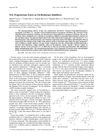
January 2001 in “Chemical & Pharmaceutical Bulletin” Some new progesterone derivatives are better at blocking testosterone conversion than a common drug.
 December 2018 in “Actas urológicas españolas”
 5-alpha reductase inhibitors may have additional effects on cancer, mental health, heart health, and hormone levels beyond treating prostate enlargement.
 8 citations
,
January 1991 in “European Urology”
8 citations
,
January 1991 in “European Urology” Finasteride lowers DHT levels and raises testosterone in a dose-dependent way.
 23 citations
,
January 2001 in “Chemical & Pharmaceutical Bulletin”
23 citations
,
January 2001 in “Chemical & Pharmaceutical Bulletin” New pregnane derivatives are effective at inhibiting an enzyme linked to hair loss and reducing oil gland activity.
December 2013 in “Estudo Geral (Universidade de Coimbra)” Modified steroidal inhibitors showed promise in treating hormone-dependent cancers.
 45 citations
,
February 2005 in “Steroids”
45 citations
,
February 2005 in “Steroids” Four new compounds were more effective than finasteride in treating prostate issues and hair loss, with one being 100 times more active and safe for use.
 100 citations
,
May 2003 in “Journal of Neuroscience”
100 citations
,
May 2003 in “Journal of Neuroscience” Neuroactive steroids affect cocaine's rewarding effects through the ς1 receptor.
41 citations
,
March 2016 in “The Journal of Clinical Endocrinology & Metabolism” In STSD patients, the body compensates for low androgen levels by increasing another enzyme's activity.
 2 citations
,
July 2020 in “Behavioural Brain Research”
2 citations
,
July 2020 in “Behavioural Brain Research” Changing neuroactive steroids in baby male rats affects their memory and learning differently as they grow up.
 17 citations
,
May 1998 in “Steroids”
17 citations
,
May 1998 in “Steroids” Researchers developed a model to predict how well certain compounds can block an enzyme related to hair loss and prostate issues, suggesting a 50 mg dose of finasteride might be effective based on lab and body data.
January 2009 in “ScholarlyCommons (University of Pennsylvania)” The P133R mutation in AKR1D1 enzyme causes harmful bile acid buildup, explaining related health issues.
 46 citations
,
September 2014 in “Steroids”
46 citations
,
September 2014 in “Steroids” Plant steroid hormones show growth, health, and medicinal benefits in various organisms, including potential for treating diseases.
26 citations
,
July 2012 in “Endocrine Connections” Mitotane changes steroid breakdown, affecting cortisol availability.