January 2022 in “Clinical dermatology review” A girl with a rare skin condition called Keratosis Follicularis Spinulosa Decalvans showed no significant improvement with treatment.
November 2019 in “European journal of internal medicine” A Laotian man with unusual skin changes and multiple growths in his gut was diagnosed with Cronkhite-Canada Syndrome and improved with nutritional and immune-based treatments.
 January 2018 in “Springer eBooks”
 Different races and genders have unique skin and hair issues, requiring specialized care and more research for effective treatment.
 January 2018 in “Karger Kompass”
 Skin symptoms like fragile skin and easy bruising can indicate Cushing's syndrome, which requires early diagnosis and treatment to prevent serious health issues.
January 2016 in “Indian dermatology online journal” Frontal fibrosing alopecia causes hair loss at the front hairline, and no effective treatment exists.
 July 2015 in “Journal of the Dermatology Nurses’ Association”
 A 66-year-old woman experienced hair loss due to Frontal Fibrosing Alopecia, a condition with no consistently effective treatment, but it usually stabilizes over time. More research is needed for better understanding and treatment options.
 January 2015 in “British journal of medicine and medical research”
 A woman with severe hair loss due to systemic sclerosis regrew her hair in 4 months using a combination of treatments.
 April 2012 in “Informa Healthcare eBooks”
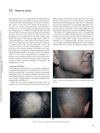
 Alopecia areata is a common autoimmune condition causing varying hair loss, diagnosed by specific patterns of inflammation around hair follicles, with several treatment options available.
 April 2012 in “Informa Healthcare eBooks”
 Lichen planopilaris is a rare, chronic condition causing hair loss, mainly in middle-aged women, and early treatment is important to prevent permanent baldness.
 5 citations
,
January 2018 in “PubMed”
5 citations
,
January 2018 in “PubMed” Biodegradable microneedle patches help topical steroids work better for prurigo nodularis.
2 citations
,
December 2001 in “Dermatologic Therapy” Steroids may not work well for alopecia areata because of high unoccupied receptors and low thioredoxin levels.
 1 citations
,
February 1954 in “Journal of the American Geriatrics Society”
1 citations
,
February 1954 in “Journal of the American Geriatrics Society” Steroid hormones can help treat aging issues and improve health in elderly people.
61 citations
,
December 2001 in “Journal of Investigative Dermatology” Steroid sulfatase in hair follicles may be a target for treating hair loss.
 37 citations
,
September 2018 in “The Journal of Clinical Endocrinology and Metabolism”
37 citations
,
September 2018 in “The Journal of Clinical Endocrinology and Metabolism” Intravaginal testosterone cream improves sexual satisfaction and reduces vaginal discomfort in postmenopausal women on breast cancer treatment without affecting hormone levels.
36 citations
,
January 2010 in “International Journal of Trichology” Intralesional steroids can help regrow hair in some alopecia areata patients but have side effects.
34 citations
,
December 1991 in “Annals of the New York Academy of Sciences” Differences in enzyme activity and androgen receptors in hair follicles may explain why hair loss appears differently in men and women.
 32 citations
,
October 2003
32 citations
,
October 2003 Spironolactone is better than placebo for reducing excessive hair growth in women, but its effectiveness for acne is unclear due to small study sizes.
 31 citations
,
January 1995 in “The American journal of medicine”
31 citations
,
January 1995 in “The American journal of medicine” Testosterone and dihydrotestosterone play a role in women's health issues like excess hair and baldness, and treatments blocking these hormones may help.
30 citations
,
June 2010 in “Endocrine Related Cancer” SRD5A1 is crucial in advanced prostate cancer, and blocking both SRD5A1 and SRD5A2 is more effective than targeting SRD5A2 alone.
 22 citations
,
October 2001 in “Biochemical Pharmacology”
22 citations
,
October 2001 in “Biochemical Pharmacology” GI198745 is more potent and longer-lasting than finasteride, potentially better for treating hair loss.
12 citations
,
May 2002 in “PubMed” Hair growth is regulated by a combination of hormones, blood vessels, and nerve signals.
 10 citations
,
May 2009 in “Cases Journal”
10 citations
,
May 2009 in “Cases Journal” A woman's masculine symptoms were caused by an ovarian tumor, which improved after surgery.
9 citations
,
January 2019 in “International Journal of Trichology” Combining calcipotriol with mometasone is more effective for treating alopecia areata than using mometasone alone.
5 citations
,
April 2024 in “ACS Chemical Neuroscience” A new method accurately measures nine neuroactive steroids in small blood samples, helping to study brain diseases.
 3 citations
,
February 2016 in “Pediatric dermatology”
3 citations
,
February 2016 in “Pediatric dermatology” Strong skin creams work well for long-term scalp inflammation in Rapp-Hodgkin Ectodermal Dysplasia.
2 citations
,
August 2025 in “Harm Reduction Journal” Non-medical steroid use in gym-goers is risky and needs better prevention and care strategies.
 2 citations
,
October 2020 in “International Journal of Dermatology”
2 citations
,
October 2020 in “International Journal of Dermatology” Lichen planopilaris in men often involves scalp redness and itching, with some also having hair loss, mucosal lichen planus, or thyroid disease, and treatment improved symptoms in nearly half of the cases.
 2 citations
,
May 2009 in “Medicine”
2 citations
,
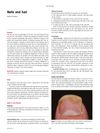
May 2009 in “Medicine” Hair and nails can help diagnose diseases, with nail issues often linked to skin conditions and hair loss having various causes and treatments.
 1 citations
,
May 2017 in “InTech eBooks”
1 citations
,
May 2017 in “InTech eBooks” The document concludes that alopecia areata is an unpredictable autoimmune hair loss condition with no cure, but various treatments exist that require personalized approaches.
 1 citations
,
January 2003 in “Expert Opinion on Therapeutic Patents”
1 citations
,
January 2003 in “Expert Opinion on Therapeutic Patents” Steroid sulfatase inhibitors could potentially treat hormone-related disorders like certain cancers, hair loss, acne, and improve cognitive dysfunction.