 77 citations
,
January 1989 in “Clinical Infectious Diseases”
77 citations
,
January 1989 in “Clinical Infectious Diseases” Toxic Shock Syndrome progresses quickly, often involves multiple organs, and is linked to Staphylococcus aureus toxins, with treatment options available but diagnostic challenges remaining.
January 2026 in “Biochemical Pharmacology”  2 citations
,
April 2023 in “Pharmaceuticals”
2 citations
,
April 2023 in “Pharmaceuticals” Testosterone therapy for postmenopausal women appears safe and may protect against heart disease, but requires constant monitoring and more research for long-term effects.
 22 citations
,
May 2002 in “Skin Research and Technology”
22 citations
,
May 2002 in “Skin Research and Technology” CE-PTG detects early hair follicle issues in balding areas, helping measure male hair loss.
 26 citations
,
February 1998 in “Chemico-Biological Interactions”
26 citations
,
February 1998 in “Chemico-Biological Interactions” Scientists identified three genes important for processing certain brain chemicals, thyroid hormones, and medications.
53 citations
,
June 1983 in “Journal of Investigative Dermatology” The enzyme is crucial for skin cell development and can be activated without proteolytic activation.
 September 2006 in “Plastic and Reconstructive Surgery”
 The SGAP flap effectively treats large sacral pressure sores with good results and minimal complications.
 November 2017 in “Reactions Weekly”
 Testosterone undecanoate caused hair loss; finasteride improved it but caused stomach issues for one patient.
 May 2022 in “Journal of Immunology”
 A parasite molecule can speed up skin healing and reduce scarring.
 1 citations
,
January 2016 in “Journal of gastrointestinal & digestive system”
1 citations
,
January 2016 in “Journal of gastrointestinal & digestive system” The new bariatric surgery SAGI PGP is effective for weight loss and diabetes control with few complications.
 66 citations
,
October 1984 in “Annual Review of Microbiology”
66 citations
,
October 1984 in “Annual Review of Microbiology” Toxic Shock Syndrome cases increased due to new factors, but decreased with public health measures and changes in tampon use.
 6 citations
,
January 2020 in “BMC Medical Genetics”
6 citations
,
January 2020 in “BMC Medical Genetics” A new mutation in the STS gene causes X-linked ichthyosis, even in rare female cases.
18 citations
,
December 2010 in “Transplantation Proceedings” Black hairy tongue can be an early sign of graft-versus-host disease after stem cell transplants.
 39 citations
,
March 2008 in “Journal of biological chemistry/The Journal of biological chemistry”
39 citations
,
March 2008 in “Journal of biological chemistry/The Journal of biological chemistry” GLI2 increases follistatin production in human skin cells.
 13 citations
,
July 1996 in “Annals of Internal Medicine”
13 citations
,
July 1996 in “Annals of Internal Medicine” International medical graduates outperformed U.S. graduates on an internal medicine exam.
 3 citations
,
January 2009 in “Sen'i Gakkaishi”
3 citations
,
January 2009 in “Sen'i Gakkaishi” Using both TGA and DTDG in hair straightening reduces hair damage compared to using TGA alone.
 22 citations
,
January 2008 in “Physiological Research”
22 citations
,
January 2008 in “Physiological Research” Steroid sulfatase is important for activating hormones that affect memory, brain function, and certain diseases, and could be a target for treating hormone-related disorders.
 37 citations
,
September 2003 in “Journal of Medicinal Chemistry”
37 citations
,
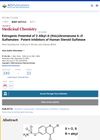
September 2003 in “Journal of Medicinal Chemistry” A substance called Compound 2g can strongly block STS (a hormone-related enzyme) without affecting estrogen levels, making it potentially good for treating breast cancer.
25 citations
,
September 2014 in “Pharmacotherapy” Hormone therapy can improve mental health and quality of life for people with gender dysphoria, but long-term effects need more research.
April 2023 in “Journal of Investigative Dermatology” TGFβ-2 may cause hair loss in androgenetic alopecia.
 48 citations
,
July 1996 in “Human & Experimental Toxicology”
48 citations
,
July 1996 in “Human & Experimental Toxicology” Human enzymes can detoxify harmful substances but might also increase their cancer risk.
 24 citations
,
July 2016 in “Revue Neurologique”
24 citations
,
July 2016 in “Revue Neurologique” Gilles de la Tourette syndrome is treatable, with behavioral therapy as a recommended first option and other treatments available for more severe cases.
48 citations
,
November 2002 in “Journal of biological chemistry/The Journal of biological chemistry” Genetic variations in hair keratin proteins exist but don't significantly affect hair structure.
21 citations
,
November 2023 in “Heliyon” Tropical herbs are better for hair care than synthetic additives.
19 citations
,
January 2013 in “Frontiers in Neuroanatomy” Zebrafish can help study and develop treatments for hearing loss.
17 citations
,
May 2021 in “Journal of Cell Science” N1-acetylspermidine promotes hair follicle stem cell self-renewal.
12 citations
,
November 2024 in “Plants” Phytosterols may help manage prostate issues but are less effective than synthetic drugs.
4 citations
,
March 2024 in “Journal of Investigative Dermatology” SPRY1 deficiency in skin cells causes stem cells to move to the skin surface, leading to increased pigmentation.
2 citations
,
November 2022 in “Veterinary sciences” The interdigital gland of Vembur sheep shows sex-based differences in size and chemical makeup, possibly affecting communication and disease protection.
1 citations
,
May 2025 in “Cell Reports Medicine” RSPO1 could help create new diabetes treatments by increasing pancreatic β cells.