 March 2026 in “Zenodo (CERN European Organization for Nuclear Research)”
 Euphorbia hirta oil may promote hair growth naturally.
 89 citations
,
October 1996 in “Dermatologic Clinics”
89 citations
,
October 1996 in “Dermatologic Clinics” Alopecia areata is likely caused by a combination of genetic factors and immune system dysfunction, and may represent different diseases with various causes.
 1 citations
,
January 2017 in “International Journal of Dermoscopy”
1 citations
,
January 2017 in “International Journal of Dermoscopy” Dermoscopy is useful for identifying and tracking different types of hair loss without scarring.
January 2025 in “Journal of Controlled Release” A new microneedle patch helps treat hair loss by improving drug delivery to hair follicles.
 July 2024 in “Medical alphabet”
 Premature graying and hair changes can be treated with certain peptides and possibly targeting the endocannabinoid system.
 2 citations
,
August 2002 in “Zeitschrift für Hautkrankheiten”
2 citations
,
August 2002 in “Zeitschrift für Hautkrankheiten” Telogen effluvium is a hair loss condition caused by various factors and requires a thorough examination to diagnose and differentiate from other hair loss types.
 1 citations
,
September 2017 in “Journal of Investigative Dermatology”
1 citations
,
September 2017 in “Journal of Investigative Dermatology” Hair care products reduced hair roughness, a combination of Stemoxydine and Resveratrol increased hair density, fermented mackerel oil promoted hair growth, and genes TERT and Bmi-1 helped create new hair follicles.
 September 2017 in “Journal of Investigative Dermatology”
 Certain products and treatments can improve hair health and growth.
19 citations
,
September 2004 in “PubMed” Chronic hair diseases can severely affect mental health and self-confidence.
10 citations
,
March 2016 in “Toxicology and applied pharmacology” Using A132 hair dye with sunlight can cause skin damage and hair loss.
 3 citations
,
May 2010 in “Nursing Standard”
3 citations
,
May 2010 in “Nursing Standard” Treatments for autoimmune hair loss have limited success and often relapse, and emotional support is crucial for those affected.
 8 citations
,
June 2021 in “Frontiers in Bioengineering and Biotechnology”
8 citations
,
June 2021 in “Frontiers in Bioengineering and Biotechnology” Extracts from Alnus sibirica and oregonin may help with hair growth and prevent hair loss.
 5 citations
,
November 2021 in “Skin appendage disorders”
5 citations
,
November 2021 in “Skin appendage disorders” Hair loss can cause stress and mental health issues, so treatments should address both the physical and psychological aspects, involving a team of dermatologists, psychologists, and hair specialists.
2 citations
,
February 2025 in “Free Radical Biology and Medicine” Blocking S100A8 can reduce chemotherapy-induced hair loss.
 October 2023 in “bioRxiv (Cold Spring Harbor Laboratory)”
 Immune cells are essential for early hair and skin development and healing.
 252 citations
,
January 2008 in “Trends in Endocrinology and Metabolism”
252 citations
,
January 2008 in “Trends in Endocrinology and Metabolism” Melatonin in the skin helps protect against damage from stress and UV rays, and could be used to treat certain skin conditions.
 January 2023 in “Journal of Ravishankar University”
 Hair loss can be caused by stress, aging, and harmful substances that create an imbalance in the body's natural processes.
 191 citations
,
May 2018 in “British journal of dermatology/British journal of dermatology, Supplement”
191 citations
,
May 2018 in “British journal of dermatology/British journal of dermatology, Supplement” Alopecia areata is likely an autoimmune disease with unclear triggers, involving various immune cells and molecules, and currently has no cure.
 2 citations
,
May 2023 in “Plants”
2 citations
,
May 2023 in “Plants” Allium hookeri extract may help promote hair growth and protect cells from damage.
 January 2019 in “Elsevier eBooks”
 Different hair disorders have specific treatments and outcomes, with some resolving on their own and others requiring medication or emotional support.
 62 citations
,
July 2018 in “Lasers in Medical Science”
62 citations
,
July 2018 in “Lasers in Medical Science” LED therapy is safe and shows potential for treating skin conditions and promoting hair growth, but more research is needed.
 April 2026 in “Clinical Cosmetic and Investigational Dermatology”
 Renal transplant recipients often have skin issues, especially infections, and need regular skin check-ups.
 May 2015 in “Journal of Investigative Dermatology”
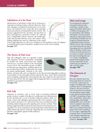
 Melanoma risk tools need improvement, a gene mutation causes a hair disorder that might be treated by managing cell stress, a potential therapy for a skin-ear disorder involves blocking cell channels, skin wrinkling may indicate lung aging regardless of smoking, and oxidative stress might contribute to common baldness.
March 2024 in “International journal of molecular sciences” taVNS reduces vitiligo symptoms in mice.
 1 citations
,
January 2006 in “Elsevier eBooks”
1 citations
,
January 2006 in “Elsevier eBooks” Cats lose fur due to various reasons, including allergies, infections, genetics, hormones, diet, cancer, stress, and some conditions are treatable while others are not.
 May 2026 in “Frontiers in Cell and Developmental Biology”
 Hair follicle organoids can help study hair biology and disorders but need improvements for wider use.
 162 citations
,
August 2004 in “Journal of Investigative Dermatology”
162 citations
,
August 2004 in “Journal of Investigative Dermatology” Hair loss causes stress and affects mental health; treatment and support needed.
 2 citations
,
October 2022 in “Journal of Biomedical Science”
2 citations
,
October 2022 in “Journal of Biomedical Science” Stem cells and their secretions could potentially treat stress-induced hair loss, but more human trials are needed.
 15 citations
,
January 2015 in “Skin Pharmacology and Physiology”
15 citations
,
January 2015 in “Skin Pharmacology and Physiology” Parathyroid hormones are important for hair growth, but their use in treating hair loss from chemotherapy is still uncertain.
 September 2025 in “Frontiers in Medicine”
 Angiopoietin-1 helps hair cells survive and grow, making it a potential treatment for hair loss.