 1 citations
,
October 2021 in “Indian Journal of Plastic Surgery”
1 citations
,
October 2021 in “Indian Journal of Plastic Surgery” Hair transplant surgery in India has progressed from plugs and flaps to advanced techniques using micrografts and follicular unit extraction.
Hair transplants are effective for male and female pattern baldness, have evolved in technique, and require careful planning for natural results and managing complications.
 1 citations
,
January 2006 in “Dermatologic Surgery”
1 citations
,
January 2006 in “Dermatologic Surgery” The SAFE System may reduce hair transplant transection rates but has been critiqued for not being as minimally invasive as claimed.
1 citations
,
January 2001 in “Acta Archaeologica Academiae Scientiarum Hungaricae” FUE is a less invasive hair restoration method that avoids visible scars and reduces recovery time.
 June 2023 in “Facial Plastic Surgery Clinics of North America”
 Hair transplantation is important for transgender patients to enhance their masculine or feminine appearance.
October 2022 in “Hair Transplantation” Improving donor scar appearance in hair transplants involves careful technique and addressing factors like tension, scalp elasticity, and patient habits.
 June 2020 in “Journal of cosmetic medicine”
 Eyebrow transplants use hair from the scalp or pubic area, with blonde hair looking more natural, and can leave scars depending on the method used.
 November 2018 in “Springer eBooks”
 The document concludes that hair transplant methods are often selected for provider convenience over patient benefit, highlighting the need for less invasive techniques and careful physician involvement for better results.
 January 2016 in “Georg Thieme Verlag eBooks”
 Hair transplantation in East Asians needs special techniques to ensure natural results and prevent complications due to their unique hair and scalp characteristics.
 August 2014 in “Plastic Surgery”
 Dr. WP Unger suggested that traditional strip harvesting might be better for hair transplants than Follicular Unit Extraction due to higher hair survival rates and less risk of a patchy look at the donor site.
 May 2013 in “Trends in Urology & Men's Health”
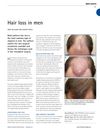
 Male-pattern hair loss is normal, often involves hormone effects on hair follicles, and can be treated with medication or surgery, but new treatments are being researched.
 January 2013 in “프로그램북(구 초록집)”
 Hair restoration surgery is improving, with less painful techniques like FUE and robotic systems, but they can be costly and require training.
Hair transplantation can effectively restore hair in stabilized hair loss cases.
 November 2006 in “Dermatologic Surgery”
 Cutting hair follicles into pieces for transplantation results in poor growth and thinner hair, and the technique is more invasive than previously thought.
June 2021 in “Cosmoderma” Hair transplantation techniques have improved, making the process safer and more effective with less visible scarring.
 March 2021 in “Dermatological reviews”
 Hair transplant works well, but needs more research for better results.
 August 2014 in “Aesthetic Surgery Journal”
 Book covers all aspects of hair restoration surgery, highly recommended.
 3 citations
,
March 2019 in “Archives of Plastic Surgery”
3 citations
,
March 2019 in “Archives of Plastic Surgery” Hair transplantation effectively corrects hairline issues after midface-lifting surgery with high patient and physician satisfaction.
 1 citations
,
January 2010 in “DOAJ (DOAJ: Directory of Open Access Journals)”
1 citations
,
January 2010 in “DOAJ (DOAJ: Directory of Open Access Journals)” Hair transplantation surgery has improved, becoming more popular and efficient, but patient dissatisfaction remains due to unrealistic expectations.
 May 2025 in “Dermatologic Surgery”
 Hair transplants now offer natural, lasting results with high satisfaction due to advanced techniques and therapies.
 March 2015 in “Aesthetic Surgery Journal”
 The book is a valuable, comprehensive guide on hair transplantation, recommended for surgeons and students, with minor areas for improvement.
 October 2010 in “Journal of Drugs in Dermatology”
 In 2010, Marco Toscani's team introduced a new scalpel for hair transplants that cuts parallel to hair follicles, reducing hair loss and improving on previous methods.
 14 citations
,
July 2009 in “Current Opinion in Otolaryngology & Head and Neck Surgery”
14 citations
,
July 2009 in “Current Opinion in Otolaryngology & Head and Neck Surgery” Hair restoration techniques like follicular unit transplant surgery and follicular unit extraction are effective, with ideal graft placement density between 20-30 units per cm². Medications like Minoxidil and Finasteride can help maintain and regrow hair.
 41 citations
,
August 2013 in “Facial Plastic Surgery Clinics of North America”
41 citations
,
August 2013 in “Facial Plastic Surgery Clinics of North America” FUE provides minimal scarring and quick recovery in hair transplantation, and surgeons not using it may lag in technology.
1 citations
,
January 2020 FUE is a preferred hair restoration method because it avoids large scars and offers less pain.
 1 citations
,
May 2015 in “Dermatologic Therapy”
1 citations
,
May 2015 in “Dermatologic Therapy” The microstrip technique for hair transplantation is effective and discreet for patients needing fewer than 1500 grafts.
January 2020 in “Hair therapy & transplantation” FUE is a modern hair transplant method that avoids large scars and is good for short hair.
 January 2014 in “Journal of Cutaneous and Aesthetic Surgery”
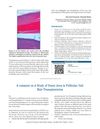
 The document suggests that for better patient satisfaction in hair transplants, high-quality photos are needed, and using a narrow donor strip might lead to fewer grafts and dissatisfaction, but filling the scar with FUE grafts and using tranexamic acid can improve results.
 16 citations
,
January 2014 in “Dermatology online journal”
16 citations
,
January 2014 in “Dermatology online journal” The document concludes that Follicular Unit Extraction is an advanced, less invasive hair transplant method with fewer side effects than traditional methods.
 11 citations
,
June 2008 in “Dermatologic Surgery”
11 citations
,
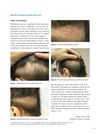
June 2008 in “Dermatologic Surgery” Transplanting chest hair into scalp scars may effectively treat wide donor scars in hair restoration.