 November 2023 in “Facial Plastic Surgery”
 Choosing between follicular unit extraction and strip harvesting for hair restoration depends on the patient's individual goals and the pros and cons of each method.
 November 1997 in “Archives of Dermatology”
 The book provides basic insights into hair transplant surgery but is not detailed enough to be a complete guide for surgeons.
 13 citations
,
January 2013 in “Dermatologic Surgery”
13 citations
,
January 2013 in “Dermatologic Surgery” Experienced hair transplant surgeons suggest a limited number of hair follicles can be used for transplants, and recommend conservative methods to avoid scarring and depletion.
 9 citations
,
March 2020 in “Dermatologic Surgery”
9 citations
,
March 2020 in “Dermatologic Surgery” Both Follicular Unit Transplantation (FUT) and Follicular Unit Excision (FUE) are effective hair transplant methods; the best choice depends on the patient's needs and the surgeon's preference.
 16 citations
,
January 2014 in “Dermatology online journal”
16 citations
,
January 2014 in “Dermatology online journal” The document concludes that Follicular Unit Extraction is an advanced, less invasive hair transplant method with fewer side effects than traditional methods.
 March 2021 in “Dermatological reviews”
 Hair transplant works well, but needs more research for better results.
 11 citations
,
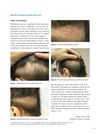
June 2008 in “Dermatologic Surgery”
11 citations
,
June 2008 in “Dermatologic Surgery” Transplanting chest hair into scalp scars may effectively treat wide donor scars in hair restoration.
 June 1997 in “The American Journal of Cosmetic Surgery”
 Reharvesting hair from donor sites using punch and strip methods can provide more hair for transplants and improve scar appearance.
1 citations
,
January 2020 FUE is a preferred hair restoration method because it avoids large scars and offers less pain.
 7 citations
,
August 2015 in “Dermatologic Surgery”
7 citations
,
August 2015 in “Dermatologic Surgery” The cross beam laser is a useful tool for safely measuring scalp stretchiness to improve hair transplant results.
January 2005 in “Chinese Journal of Medical Aesthetics and Cosmetology” The technique improves hair transplant density and is safe and effective.
 1 citations
,
July 2010 in “International Society of Hair Restoration Surgery”
1 citations
,
July 2010 in “International Society of Hair Restoration Surgery” Recognizing racial differences in anatomy helps make hair transplants safer.
 July 2009 in “International Society of Hair Restoration Surgery”
 Dividing hair grafts may make hair look fuller, but more research is needed.
 37 citations
,
August 2013 in “Facial Plastic Surgery Clinics of North America”
37 citations
,
August 2013 in “Facial Plastic Surgery Clinics of North America” Facial hair restoration is generally successful and satisfying for patients when done with quality techniques and realistic expectations.
 February 2018 in “Dermatologic Surgery”
 Nonshaven follicular unit extraction is a highly satisfactory method for restoring pubic hair.
 2 citations
,
September 2007
2 citations
,
September 2007 Surgical hair restoration involves moving hair from a non-balding area to a balding area, with the transplanted hair not subject to male pattern baldness. Medications can slow hair loss and regrow some hair, but successful treatment needs careful planning, skill, and ethical responsibility due to progressive hair loss and limited donor hair.
 6 citations
,
May 2004 in “Facial Plastic Surgery Clinics of North America”
6 citations
,
May 2004 in “Facial Plastic Surgery Clinics of North America” By 2004, Follicular Unit Transplantation (FUT) was the most effective method for surgical hair restoration, while the newer Follicular Unit Extraction (FUE) had more disadvantages and was less recommended.
 June 2024 in “Journal of Dermatology & Cosmetology”
 The FUL hair restoration technique is better for aesthetics and causes less scarring.
 12 citations
,
January 2006 in “Aesthetic Plastic Surgery”
12 citations
,
January 2006 in “Aesthetic Plastic Surgery” Micrografts can effectively restore pubic hair, and using the right technique is crucial for natural-looking results.
 5 citations
,
July 1999 in “Plastic and Reconstructive Surgery”
5 citations
,
July 1999 in “Plastic and Reconstructive Surgery” Unsatisfactory hair restoration results can be significantly improved with strategic hair redistribution and new donor hair placement, despite previous surgery challenges.
 4 citations
,
April 2000 in “Plastic and Reconstructive Surgery”
4 citations
,
April 2000 in “Plastic and Reconstructive Surgery” The document suggests fixing common hair transplant issues by combining artistic principles with plug reduction, recycling, and additional micrograft transplantation, while also potentially using arnica to help with post-operative swelling.
 1 citations
,
January 1993 in “Facial Plastic Surgery”
1 citations
,
January 1993 in “Facial Plastic Surgery” Surgical hair restoration has improved since 1959, with new techniques like minigrafts, micrografts, and scalp reductions creating more natural hairlines and reducing bald skin, despite some risks and potential for scarring.
Follicular unit grafting is a procedure used to treat hair loss, where small hair grafts are placed into the scalp, with future treatments likely to involve smaller incisions and cell-based therapies.
 1 citations
,
April 1995 in “Annals of Plastic Surgery”
1 citations
,
April 1995 in “Annals of Plastic Surgery” The Mercedes incision is a new hair restoration technique that creates a more natural look and has a high success rate.
 August 2016 in “JAMA Facial Plastic Surgery”
 Hair restoration can improve attractiveness and trustworthiness, but it should be done aesthetically; advancements in technology and medical therapies are making it more accessible and effective.
 2 citations
,
November 2002 in “Dermatologic Surgery”
2 citations
,
November 2002 in “Dermatologic Surgery” The authors' 10-year experience shows that a personalized approach to hair restoration surgery, using various techniques, leads to natural results and high patient satisfaction.
 January 2019 in “Georg Thieme Verlag eBooks”
 Platelet-Rich Plasma (PRP) therapy can effectively treat various hair loss conditions, improve hair count, thickness, and density, and potentially speed up results when combined with surgical techniques.

Modern hair restoration techniques can effectively treat hair loss and provide natural-looking results.
 20 citations
,
December 2010 in “Burns”
20 citations
,
December 2010 in “Burns” PL-FUT is an effective hair restoration method for burn victims with minimal scarring and high patient satisfaction.
 17 citations
,
October 2002 in “Dermatologic Surgery”
17 citations
,
October 2002 in “Dermatologic Surgery” Successful surgical hair restoration requires careful planning, precise execution, and proper aftercare, using techniques like follicular unit transplantation and correct hair angling for best cosmetic results.