 November 2024 in “International Society of Hair Restoration Surgery”
 FUT is a hair restoration method that should be chosen based on individual patient needs and preferences.
 28 citations
,
November 2008 in “Facial Plastic Surgery”
28 citations
,
November 2008 in “Facial Plastic Surgery” Follicular Unit Transplantation (FUT) can give great results and patient satisfaction when done carefully and by a skilled surgeon.
 June 2004 in “Dermatologic Surgery”
 The commentary suggests that using a single-scar technique for hair transplants can give good cosmetic results, but some surgeons hesitate to use it despite ways to address their concerns.
 June 1997 in “The American Journal of Cosmetic Surgery”
 Reharvesting hair from donor sites using punch and strip methods can provide more hair for transplants and improve scar appearance.
 15 citations
,
May 2005 in “Seminars in Plastic Surgery”
15 citations
,
May 2005 in “Seminars in Plastic Surgery” The document concludes that hair follicular unit transplantation is an effective method for eyebrow and eyelash reconstruction, with patients happy despite needing regular trimming.
1 citations
,
January 2001 in “Acta Archaeologica Academiae Scientiarum Hungaricae” FUE is a less invasive hair restoration method that avoids visible scars and reduces recovery time.
 8 citations
,
January 2015 in “Scars, burns & healing”
8 citations
,
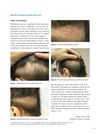
January 2015 in “Scars, burns & healing” Hair transplantation effectively treats burn scar alopecia, improving self-esteem and confidence.
 11 citations
,
June 2008 in “Dermatologic Surgery”
11 citations
,
June 2008 in “Dermatologic Surgery” Transplanting chest hair into scalp scars may effectively treat wide donor scars in hair restoration.
 May 2023 in “Aesthetic Plastic Surgery”
 The document concludes that there are various surgical techniques for hair restoration, their success depends on the surgeon's skill, patient's health, and quality of donor hair, and they can potentially improve the mental well-being of those with hair loss.
 March 2021 in “Dermatological reviews”
 Hair transplant works well, but needs more research for better results.
 February 2002 in “Dermatologic Surgery”
 Best hair transplant results happen when tissues are least damaged.
 2 citations
,
April 2018 in “Journal of Cosmetic Dermatology”
2 citations
,
April 2018 in “Journal of Cosmetic Dermatology” Tumescent fluid increases scalp hair angles, which may improve hair transplant results and reduce surgeon fatigue.
 January 2016 in “Georg Thieme Verlag eBooks”
 Hair transplantation in East Asians needs special techniques to ensure natural results and prevent complications due to their unique hair and scalp characteristics.
 7 citations
,
August 2015 in “Dermatologic Surgery”
7 citations
,
August 2015 in “Dermatologic Surgery” The cross beam laser is a useful tool for safely measuring scalp stretchiness to improve hair transplant results.
 4 citations
,
November 2017 in “Hair transplant forum international”
4 citations
,
November 2017 in “Hair transplant forum international” Hair transplants are effective for some women and many male-to-female transgender patients if done carefully by an experienced team.
 16 citations
,
January 2014 in “Dermatology online journal”
16 citations
,
January 2014 in “Dermatology online journal” The document concludes that Follicular Unit Extraction is an advanced, less invasive hair transplant method with fewer side effects than traditional methods.
 March 2000 in “Aesthetic Surgery Journal”
 Hair transplantation techniques have improved and are beneficial for aesthetic surgery practices.
 January 2014 in “Journal of Cutaneous and Aesthetic Surgery”
 The document suggests that for better patient satisfaction in hair transplants, high-quality photos are needed, and using a narrow donor strip might lead to fewer grafts and dissatisfaction, but filling the scar with FUE grafts and using tranexamic acid can improve results.
Transplanting beard hair into a scalp wound after hair transplant surgery improves scar appearance and hair keeps its normal traits.
Asian hair's unique features make hair loss management and surgery more challenging.
 1 citations
,
July 2022 in “Journal of Cosmetic Dermatology”
1 citations
,
July 2022 in “Journal of Cosmetic Dermatology” Inflammatory complications are rare after hair transplants but can happen months later, and checking for skin conditions before surgery is important.
 1 citations
,
May 2015 in “Dermatologic Therapy”
1 citations
,
May 2015 in “Dermatologic Therapy” The microstrip technique for hair transplantation is effective and discreet for patients needing fewer than 1500 grafts.
 May 2013 in “Hair transplant forum international”
 A man had hiccups for several days after a hair transplant, likely due to medication or nerve irritation, but they stopped on their own.
 January 2010 in “Springer eBooks”
 Pubic hair transplantation can help women with little to no pubic hair, using scalp hair for a natural look and requires careful aftercare.
 16 citations
,
December 2016 in “Dermatologic Surgery”
16 citations
,
December 2016 in “Dermatologic Surgery” Higher scalp elasticity leads to wider scars after hair transplantation; a new method to measure elasticity may help predict scar size.
2 citations
,
March 2023 in “Aesthetic Plastic Surgery” The new hair transplant method reduces scarring and wastage by combining two techniques.
 November 2023 in “Facial Plastic Surgery”
 Choosing between follicular unit extraction and strip harvesting for hair restoration depends on the patient's individual goals and the pros and cons of each method.
 3 citations
,
October 2021 in “Indian Journal of Plastic Surgery”
3 citations
,
October 2021 in “Indian Journal of Plastic Surgery” Strip harvest hair transplants produce natural-looking results and have a high success rate with minimal damage to hair follicles.
 1 citations
,
July 2010 in “International Society of Hair Restoration Surgery”
1 citations
,
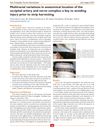
July 2010 in “International Society of Hair Restoration Surgery” Recognizing racial differences in anatomy helps make hair transplants safer.
 9 citations
,
March 2020 in “Dermatologic Surgery”
9 citations
,
March 2020 in “Dermatologic Surgery” Both Follicular Unit Transplantation (FUT) and Follicular Unit Excision (FUE) are effective hair transplant methods; the best choice depends on the patient's needs and the surgeon's preference.