1 citations
,
January 2020 in “Microscopy research” Researchers successfully grew hair follicle stem cells from mice and humans, which could be useful for tissue engineering and regenerative medicine.
June 2015 in “The American journal of dermatopathology/American journal of dermatopathology” The study found that a one-step antibody method is better than the LSAB method for accurately studying hair follicle structures without false positives.
10 citations
,
June 2016 in “Cell Transplantation” Sebaceous glands can help harvest hair follicle stem cells to regenerate skin and hair.
 March 2026 in “Frontiers in Pharmacology”
 Exprecell™ is as effective as traditional methods but produces more f-PRF and is simpler to use.
 14 citations
,
April 2011 in “Cell Proliferation”
14 citations
,
April 2011 in “Cell Proliferation” Scientists can grow human hair follicle stem cells in a lab without changing their nature, which could help treat hair loss.
21 citations
,
October 2010 in “Encyclopedia of Life Sciences” Histocultures help personalize cancer treatments, study hair growth, and explore immune responses.
October 2020 in “Faculty Opinions – Post-Publication Peer Review of the Biomedical Literature” Stem cell niche exit in C. elegans is influenced by Sh1 cell membrane protrusions.
 8 citations
,
September 1993 in “British journal of dermatology/British journal of dermatology, Supplement”
8 citations
,
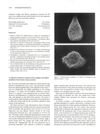
September 1993 in “British journal of dermatology/British journal of dermatology, Supplement” A new method helps isolate key hair components to study hair growth and loss.

Quickly fix tissue in formalin after excision to preserve it.
 June 2002 in “Seminars in Cutaneous Medicine and Surgery”
 Using a microscope during hair transplants cuts damage to follicles in half and could improve hair growth.
 1 citations
,
November 2009 in “Cambridge University Press eBooks”
1 citations
,
November 2009 in “Cambridge University Press eBooks” FUE is a less invasive hair restoration method with potential to become standard, offering benefits like reduced scarring and pain, but requires experience to minimize risks.
 55 citations
,
June 2013 in “Dermatologic Surgery”
55 citations
,
June 2013 in “Dermatologic Surgery” Ablative fractional resurfacing could improve how well topical drugs penetrate the skin, but more research is needed to fine-tune the method.
1 citations
,
January 2021 in “Springer Proceedings in Materials” Researchers developed a new method to clearly see and label hair proteins with minimal errors using advanced freezing and microscopy techniques.
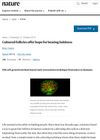
Growing hair follicles from cultured cells could potentially treat baldness, but more research is needed.
7 citations
,
August 2007 in “Journal of Biotechnology”  45 citations
,
November 2017 in “Biomaterials”
45 citations
,
November 2017 in “Biomaterials” Researchers found a new way to create hair-growing structures in the lab that can grow hair when put into mice.
January 2012 in “대한미용학회지” Hair follicle stem cells can be cultured, but improvements are needed for longer growth.
October 2009 in “Faculty Opinions – Post-Publication Peer Review of the Biomedical Literature” Researchers developed a method to label and study human hair follicle stem cells using a fluorescent protein.
1 citations
,
January 2016 in “Methods in molecular biology” The method helps estimate and track skin cell growth and movement during healing.
2 citations
,
September 1996 in “Neuroscience letters” Adding fetal calf serum to the medium kept Merkel cells alive and changed their shape.
 2 citations
,
January 2020
2 citations
,
January 2020 The document describes a method for preparing hair for microscopy by embedding it in plastic, cutting it, and storing it cold before imaging.
 30 citations
,
December 2017 in “Advanced Healthcare Materials”
30 citations
,
December 2017 in “Advanced Healthcare Materials” Nanoencapsulation creates adjustable cell clusters for hair growth.
 13 citations
,
August 2002 in “Dermatologic Surgery”
13 citations
,
August 2002 in “Dermatologic Surgery” FUE is a less invasive hair transplant method suitable for many patients, but it has limitations and may not replace traditional techniques.
November 2013 in “Journal of clinical & experimental dermatology research” The follicular unit extraction method for hair transplants is a technique with benefits and drawbacks.
17 citations
,
April 2022 in “Bioactive Materials” Continuous microfluidic processes can help scale up microtissue production for industrial and clinical use.
7 citations
,
February 1982 in “Australian Journal of Biological Sciences” Epithelial cells from young rat hair follicles grow and form aggregates in culture, but don't produce hair keratin proteins.
Mouse hair follicles grow best in a special medium, especially when cut and from adult mice.
6 citations
,
January 2022 in “BIO-PROTOCOL” The protocol allows easy imaging of dividing cells in C. elegans and can be used for other organisms.
124 citations
,
November 2019 in “International Journal of Molecular Sciences” Standardized kits improve the quality and consistency of isolating stem cells from fat tissue.
1 citations
,
June 2021 in “Journal of Korean Medicine for Obesity Research” Corni Fructus extract may help manage benign prostatic hyperplasia by reducing prostate cell growth and inflammation.